
Shrubs
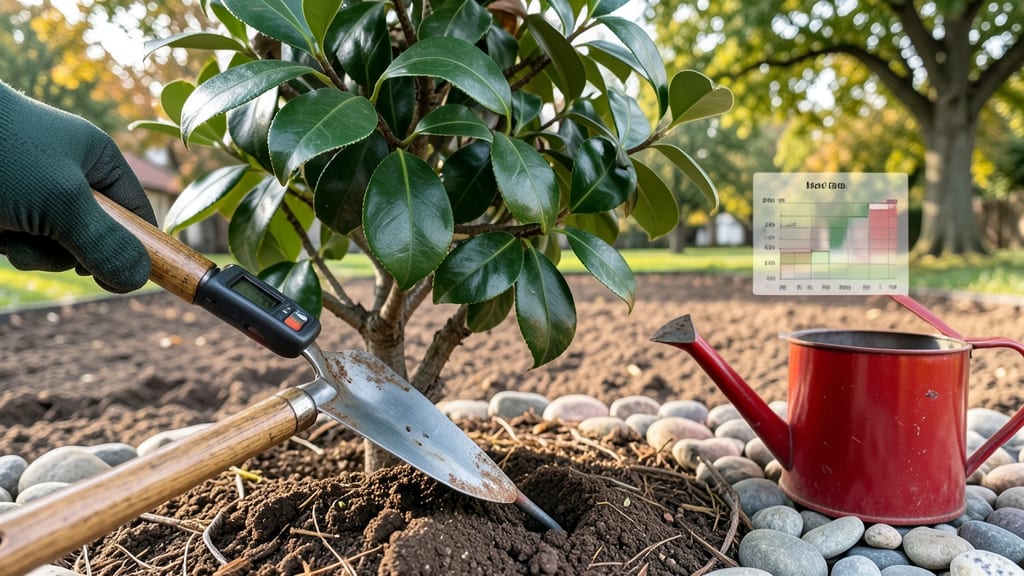
For thriving shrubs, the ideal soil combines well-draining loam with organic matter like compost or peat moss, keeping a pH between 6.0–7.0 while avoiding compacted clay that stifles roots. Different shrubs need tailored mixes—drought-resistant types prefer gritty blends, while moisture-lovers thrive in richer, moisture-retentive soil.
Shrubs aren't picky, but they do have specific needs that directly impact their health and growth. 🌿 The right soil mix promotes strong root systems by balancing drainage and nutrient availability—critical for both shallow-rooted varieties like boxwoods and deeper-rooted types such as hydrangeas.
Organic matter isn't just about fertility; it also improves soil structure, allowing roots to spread easily and access water efficiently. I always recommend testing your soil first, since native clay or sandy soils often need amendments to create the perfect growing environment.
What's fascinating is how regional climates influence these needs. In dry areas, adding perlite or coarse sand prevents compaction, while humid zones benefit from moisture-retentive amendments like coconut coir.
Pre-mixed shrub blends can save time, but custom mixes often yield better results tailored to your specific shrub types and local conditions.
💡 In This Article
- How Shrub Root Systems Influence Soil Needs
- DIY Shrub Soil Mix Recipes for Different Climates
How shrub root systems influence soil needs
Shrub roots vary dramatically in depth and spread, which directly dictates their soil requirements. Shallow-rooted shrubs like boxwoods or junipers develop root systems within the top 12 inches of soil, making them highly sensitive to compaction and poor aeration.
Their roots need loose, well-aerated soil to access oxygen efficiently—something heavy clay soils simply can't provide. In contrast, deep-rooted varieties like hydrangeas or lilacs send roots down 3-5 feet, requiring soil that maintains moisture and nutrients at depth while still allowing excess water to drain.
The soil's porosity becomes critical here. For shallow-rooted shrubs, adding 20-30% organic matter (like compost or aged manure) creates tiny air pockets that improve oxygen flow to roots.
This organic layer also buffers pH fluctuations—critical because many shrubs, like azaleas, thrive in acidic soils (pH 4.5-5.5), while others, such as boxwoods, prefer near-neutral pH 6.0-7.0. The organic matter also feeds beneficial microbes that break down nutrients into forms roots can absorb, like nitrogen and phosphorus.
Root sensitivity to moisture is another game-changer. Drought-tolerant shrubs like lavender or rosemary need gritty, fast-draining mixes with 40-50% coarse sand or perlite to prevent root rot.
Meanwhile, moisture-loving shrubs like hydrangeas or pieris require soil that holds 30-40% moisture retention while still draining well—achieved by blending loam with 20% peat moss or coconut coir. The key is matching the soil's moisture-holding capacity to the shrub's natural habitat.
What most gardeners overlook is how soil texture affects root expansion. Clay soils, with their tiny particles, compact easily under foot traffic or rain, creating a dense barrier that restricts root growth.
Amending clay with 50% sand and 20% compost opens up the structure, while sandy soils—with their large particles—need 30% organic matter to retain moisture and nutrients. The goal is a crumbly, almost cake-like texture when moist, which allows roots to spread without resistance.
Consider this: A well-structured shrub soil should feel like a damp sponge—firm enough to hold shape but light enough to crumble between your fingers. This texture ensures roots can explore freely while maintaining access to water and air.
For example, a 50-50 mix of garden loam and compost works wonders for most shrubs, but adding 10% perlite in arid climates prevents moisture loss, while 15% worm castings boosts microbial activity in humid zones.
One final insight: Root health isn't just about physical structure—it's also about chemical balance. Shrubs like rhododendrons and gardenias rely on mycorrhizal fungi in the soil to enhance nutrient uptake.
These fungi thrive in slightly acidic, organic-rich soils, which is why a pH of 5.0-6.0 with 10-15% compost creates the perfect symbiotic environment. Without this balance, roots struggle to absorb even the most fertile soil.