
Shrubs
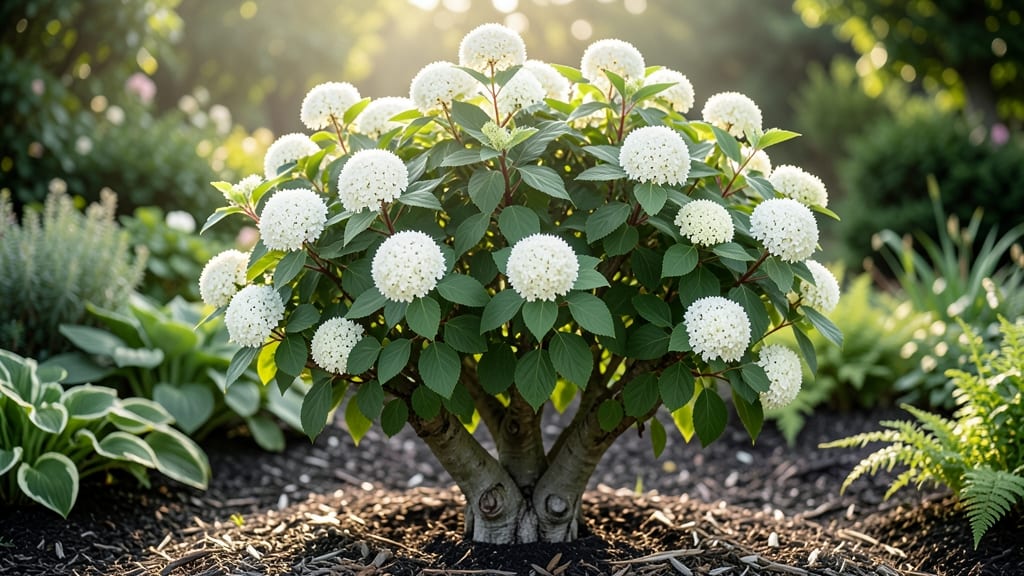
Planting snowball viburnum shrubs (Viburnum opulus) transforms your yard into a fragrant, four-season showpiece that thrives even in harsh winters. ✨ I’ve grown these in my Zone 5 garden for years—their glossy leaves, snow-white flower clusters, and bright red berries keep the landscape vibrant from spring to fall, with structure and interest through winter too.
The key to success starts with the right spot: partial shade (especially in hot climates) and well-draining soil that’s slightly acidic. These shrubs handle cold down to -30°F, making them perfect for northern gardens, but they’ll also tolerate urban heat if given afternoon shade.
Space them 6-8 feet apart to allow for mature spread while keeping the garden airy. Once established, they’re low-maintenance—water deeply once a week during the first growing season, then let nature take over.
Prune in late winter or early spring to shape the shrub and remove dead wood, and you’ll be rewarded with football-sized clusters of fragrant white blooms by late spring. The berries that follow attract birds, adding another layer of ecosystem value.
What makes these shrubs truly special is their versatility: use them as a privacy screen, foundation planting, or standalone specimen. They’re disease-resistant, rarely bothered by pests, and even deer tend to leave them alone. With minimal care, you’ll have a shrub that’s both beautiful and effortless—year after year.
📚 In This Guide
- What you need
- Instructions
- Tips and common mistakes
- Wrapping up and next steps
What you need
- ● Snowball Viburnum shrub(s): 1–3 nursery-grown plants (3–5 ft tall, mature size 6–12 ft wide)
- ● Check for Viburnum opulus or Viburnum plicatum varieties (e.g., ‘Tomentosum’ for fuzzy stems or ‘Sterile’ for sterile flowers)
- ○ Soil amendments (optional but recommended): 2–3 gallons of compost or well-rotted manure per planting hole
- ● 1 cup organic slow-release fertilizer (10-10-10 or similar)
- ● Mulch: 2–3 inches of pine bark, shredded leaves, or wood chips (cover root zone after planting)
- ● Digging tools: 1 shovel (round-point for planting, flat for mulching)
- ● 1 garden trowel (for delicate root adjustments)
- ● Watering supplies: 1 hose with adjustable nozzle (gentle spray for watering)
- ● 5–10 gallons of water (for initial watering)
- ○ Optional but handy: Pruning shears (for shaping or cleanup)
- ● Garden gloves (to protect hands from thorns)
- ● Soil pH test kit (to ensure slightly acidic to neutral soil, pH 5.0–7.0)
- ● Location: Full sun to partial shade (6+ hours of sunlight daily for best blooms)
- ● Climate: USDA Hardiness Zones 3–8 (cold-hardy and drought-tolerant once established)
- ● Spacing: Plant 6–10 feet apart (allows airflow and growth)
- ● Timing: Best planted in early spring or fall (avoid extreme heat)
Step-by-step guide to planting and cultivating snowball viburnum
Here's how I grow these cold-hardy beauties for year-round fragrance and stunning blooms.
🌱 Step 1: Choose the Perfect Planting Location
Snowball viburnum thrives in full sun to partial shade, with at least 4-6 hours of direct sunlight daily. I always pick a spot with morning sun and afternoon shade—this prevents leaf scorch while ensuring robust flowering. The plant handles USDA zones 3-8, making it perfect for northern climates where other shrubs struggle.
Test your site by observing how sunlight moves across the area throughout the day. Look for a spot with well-draining soil—viburnums hate soggy roots. If your soil is heavy clay, amend it with 2-3 inches of compost mixed into the top 12 inches of soil. You'll know you've chosen well when the area stays moist but not waterlogged after rain.
🪴 Step 2: Dig the Hole and Plant Properly
Dig a hole twice as wide as the root ball but only as deep. The top of the root ball should sit 1 inch above ground level—this prevents stem rot from sitting water. Gently loosen the roots if they're circling tightly in the container, then place the plant in the hole.
Backfill with native soil mixed with compost or aged manure to give it a nutrient boost. Press firmly around the base to eliminate air pockets, then water deeply to settle everything. You'll see the soil settle about 1 inch after watering—add more soil if the root ball becomes exposed.
☀️ Step 3: Water and Mulch for Establishment
Water deeply once a week during the first growing season, providing 1-2 inches of water per week. Snowball viburnum is drought-tolerant once established, but young plants need consistent moisture. Check soil moisture by sticking your finger 2 inches deep—if it feels dry, it's time to water.
Apply 2-3 inches of mulch around the base, keeping it 3 inches away from the trunk to prevent rot. I use shredded bark or wood chips because they break down slowly and improve soil structure over time. Mulch helps retain moisture and regulates soil temperature, which is especially helpful in hot summers.
✂️ Step 4: Prune for Shape and Health
Prune immediately after flowering in late spring or early summer to maintain shape and encourage new growth. Remove any dead, diseased, or crossing branches first—these compete with healthy growth. Cut back one-third of the oldest stems to the ground each year to rejuvenate the shrub and promote new flowering branches.
For shaping, make cuts just above a outward-facing bud. Avoid cutting into old wood—new growth comes from younger stems. You'll notice fresh, green growth within 2-3 weeks after pruning, signaling the plant is responding well. Regular pruning keeps the shrub compact and full, with plenty of blooms for years to come.
🌿 Step 5: Maintain Year-Round Care
Fertilize in early spring with a balanced 10-10-10 fertilizer or slow-release granules. Spread ½ cup per foot of plant height around the drip line, then water thoroughly. Avoid fertilizing in late summer or fall—this encourages tender growth that won't harden off before winter.
Monitor for pests like aphids or scale, which occasionally target viburnums. I spray with a soapy water solution (1 tablespoon mild dish soap per gallon of water) if I see sticky residue on leaves. Snowball viburnum is generally pest-resistant, but early intervention prevents infestations from spreading. With proper care, your shrub will reward you with fragrant white blooms in spring and red berries in fall for wildlife.
Tips & tricks for perfect snowball viburnum cultivation
These battle-tested insights will help you transform your snowball viburnum into a thriving, fragrant centerpiece that outlasts seasonal trends.
Location Precision: Pay attention to the 4-6 hours of direct sunlight requirement—morning sun is ideal because afternoon rays can scorch tender leaves. I've seen plants struggle when placed in full afternoon sun, even when they got the same total hours. If your yard has limited sun, choose a spot with the most consistent light exposure throughout the day, not just peak hours. The afternoon shade helps maintain that lush, glossy foliage we all love.
Soil Preparation Secret: That 2-3 inches of compost mixed into the top 12 inches of soil isn't just about nutrients—it's about creating the perfect drainage. I've had clients with heavy clay soil where their viburnums struggled until we amended it properly. Test your soil's drainage by digging a hole, filling it with water, and seeing how long it takes to drain. If it's still wet after 6 hours, you definitely need that compost amendment.
Pruning Timing: The instructions mention pruning after flowering, but here's what I've learned: late spring is the absolute best window—right after those white blooms fade but before new growth gets too vigorous. I've seen plants where people pruned too late in summer, and they missed the opportunity to encourage next year's flowers. Always cut back one-third of the oldest stems to maintain that perfect rounded shape while promoting new growth from the base.
Mulch Magic: That 2-3 inches of mulch isn't just decoration—it's a game-changer for moisture retention and temperature regulation. I recommend using shredded bark because it breaks down slowly, improving soil structure over time. The key is keeping it 3 inches away from the trunk to prevent rot. In my experience, proper mulching reduces watering needs by about 30% during hot summers, which is a huge help for busy gardeners.
Pro Tips for Snowball Viburnum Shrub
- These battle-tested insights will help you transform your snowball viburnum into a thriving, fragrant centerpiece that outlasts seasonal trends.
- Location Precision: Pay attention to the 4-6 hours of direct sunlight requirement—morning sun is ideal because afternoon rays can scorch tender leaves.
- Soil Preparation Secret: That 2-3 inches of compost mixed into the top 12 inches of soil isn't just about nutrients—it's about creating the perfect drainage.
Frequently asked questions
Got questions about growing and caring for your snowball viburnum shrub?
Here are some of the most common queries—and their answers—to help you keep your fragrant beauty thriving year-round.
How cold-hardy is the snowball viburnum, really?
The snowball viburnum (Viburnum opulus) is one of the toughest shrubs around, surviving USDA zones 2-8. While it handles frost and snow like a champ, extreme winter winds (below -20°F) can stress younger plants. Mulch heavily in winter to protect roots—think 3-4 inches of shredded bark or wood chips.
When should I prune my snowball viburnum for the best blooms?
Prune right after flowering (late spring to early summer) to avoid cutting off next year’s buds. For shaping, do a light trim in late winter or early spring before new growth starts. Never prune in fall—it can encourage tender growth that won’t survive winter. Pro tip: Use clean, sharp shears to avoid disease!
Why aren’t my snowball viburnum flowers as big and white as they should be?
Smaller, sparse blooms often mean too much shade or over-fertilizing with nitrogen (which fuels leaves, not flowers). Ensure your shrub gets 6+ hours of sunlight and use a balanced 10-10-10 fertilizer in early spring. Underwatering can also stress blooms—keep soil consistently moist but not soggy.
Can I grow snowball viburnum in containers? What’s the best setup?
Yes! Choose a large container (at least 20 gallons) with drainage holes and use a well-draining potting mix (add perlite or sand). Snowball viburnums need regular watering in containers—check soil moisture weekly. Move pots to a protected spot in winter if temps drop below 10°F. Bonus: Containers let you enjoy this shrub on patios or small yards!
What pests or diseases should I watch for on my snowball viburnum?
The biggest threats are aphids, scale insects, and viburnum leaf beetles (look for chewed leaves or sticky sap). For diseases, powdery mildew (white dust on leaves) and canker (sunken, dead spots on stems) are common. Prevent pests with neem oil sprays and prune out infected branches immediately. Keep your shrub healthy with proper spacing for airflow!
Wrapping up and next steps
Ready to transform your garden into a fragrant, cold-hardy haven? The snowball viburnum shrub is your perfect companion—offering year-round beauty, resilience, and that dreamy spring aroma. Whether you’re a seasoned gardener or just starting, its low-maintenance charm makes it a must-have for any outdoor space.
Take the next step: plant one today and watch your landscape bloom with effortless elegance! 🌸 For extra inspiration, explore companion plants or pruning tips to keep your viburnum thriving for years to come.