
Pruning
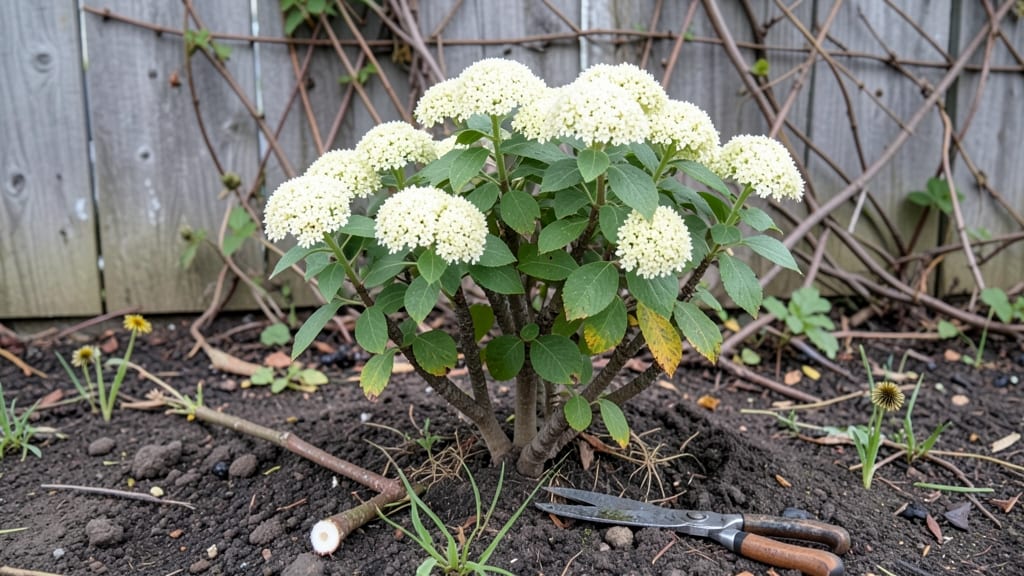
Your snowball shrub pruning game changes when you time it right—late winter or early spring, just as new buds form. ✨ I’ve pruned these shrubs for years, and the difference between a scraggly mess and a lush, flowering masterpiece comes down to a few simple cuts made at the right moment.
The tools you’ll need are basic but critical: sharp pruning shears, gloves, and a bucket for trimmings. Start by removing any dead or crossing branches first—this opens up the center for better airflow and light.
Then, cut back last year’s growth by about a third to encourage dense, bushy growth and those iconic snowball-shaped flowers.
After pruning, your shrub will reward you with vibrant new growth and an explosion of blooms by late spring. The key is to avoid heavy pruning in fall, as it removes next year’s flower buds.
Instead, focus on shaping lightly in summer if needed, but the real magic happens in that late-winter clean-up.
This method works for all snowball shrubs, whether you’ve got a single plant or a row of them. The secret isn’t complicated—just consistent timing and a steady hand. Ready to transform your shrubs into showstoppers?
📚 In This Guide
- What you need
- Instructions
- Tips and common mistakes
- Wrapping up and next steps
What you need
- ● Pruning shears: Bypass pruners (5- to 8-inch blades) for clean cuts on small stems. Quantity: 1 pair (sharp, rust-resistant stainless steel).
- ● Loppers: Bypass or anvil type (18- to 24-inch handles) for thicker branches (up to 1.5 inches). Quantity: 1 pair.
- ● Pruning saw: Curved-tooth saw (for branches 2+ inches thick). Quantity: 1.
- ● Gloves: Heavy-duty, cut-resistant (gardening or pruning-specific). Quantity: 1 pair.
- ● Disinfectant: 70% isopropyl alcohol or bleach solution (1 part bleach to 9 parts water) to sterilize tools between cuts. Quantity: Small spray bottle or container.
- ● Rake or broom: For clearing debris afterward. Quantity: 1.
- ● Trash bags: Heavy-duty (for disposing of pruned branches). Quantity: 2-3.
- ● Hand pruners: Compact bypass pruners for precision on tiny stems (great for shaping).
- ● Extension pole: Adjustable or telescopic (for high branches, 6-10 feet).
- ● Marking paint: White or colored (to tag cuts for future reference).
- ● Knee pads: For comfort if pruning near the ground.
- ● Safety glasses: To protect against debris.
Step-by-Step snowball shrub pruning guide
Here's how to keep your hydrangea arborescens looking full and blooming beautifully all year.
✂️ Step 1: Prune Immediately After Flowering
Wait until late summer or early fall, after the snowball-shaped blooms have faded. This is the best time because the plant has already set next year's buds on new wood. Use sharp, clean pruners to cut back any dead or crossing branches at their base—this opens up the center for better air circulation and sunlight.
Remove no more than one-third of the plant's total growth in a single session. I always start by thinning out the oldest stems first, since snowball shrubs naturally produce more flowers on younger wood. Watch for branches that rub against each other—they'll create wounds that invite disease.
⏰ Step 2: Light Pruning in Late Winter
In late February or early March, just before new growth begins, give your shrub a light shape-up. This is when you can fine-tune its form by trimming back any branches that grew too long or out of shape during the previous season. Cut just above a outward-facing bud to encourage growth in the right direction.
I like to step back and look at the shrub from all sides before making cuts. The goal is to maintain that rounded shape while keeping the center open. Avoid heavy pruning now—this is just about tidying up. If you see any branches that died over winter, remove them completely at the base.
☀️ Step 3: Summer Maintenance Pruning
Throughout the growing season, keep an eye out for any branches that are growing inward or spoiling the shrub's shape. In June or July, do light touch-ups by trimming back any new growth that's growing in the wrong direction. Always cut just above a leaf node or bud to promote healthy regrowth.
This is also when you should remove any flower clusters that appear on old wood (they won't produce blooms next year). I pinch off these early blooms to redirect the plant's energy toward next season's flowers. Water the base after pruning to help the plant recover quickly.
🌿 Step 4: Annual Rejuvenation for Older Shrubs
Every 3-5 years, older snowball shrubs need a more dramatic pruning to stimulate new growth. In late winter, cut back one-third of the oldest stems to the ground. Then, the following year, cut back another third, and in the third year, finish by cutting back the remaining stems by half.
This gradual approach gives the plant time to recover while maintaining some blooms each year. I've found that after rejuvenation, the shrub often produces even more vigorous growth and larger blooms. Just be patient—it may take a year or two for the shrub to fully recover its size and flowering potential.
Tips & tricks for perfect snowball shrub pruning
These simple tricks will help you maintain a healthy, blooming snowball shrub that looks stunning year after year.
Timing is Everything: The late summer/early fall pruning in Step 1 is critical because it allows your hydrangea arborescens to set next year's flower buds on new wood. I've seen people prune too early and end up with no blooms the following season. Mark your calendar for when those snowball-shaped flowers fade completely—this is your cue to start pruning. Don't wait too long, though, or you'll miss the perfect window for shaping next year's blooms.
Tool Prep Matters: Before you begin any pruning, sterilize your pruners with rubbing alcohol or a 10% bleach solution to prevent spreading disease between cuts. I also recommend sharpening your blades regularly—dull tools crush stems instead of making clean cuts, which stresses the plant. For larger branches, use pruning saws to avoid tearing the bark. Always make cuts at a 45-degree angle just above a bud or branch collar to promote proper healing.
Shape Smartly: When doing your light winter pruning (Step 2), visualize the shrub's natural rounded shape from all sides before making any cuts. I like to imagine an invisible ball around the plant—any branches that extend beyond this ball should be trimmed back. This creates that classic snowball shrub silhouette while maintaining airflow. Remember, you're not trying to create a perfect geometric form, just encourage natural, healthy growth patterns that your hydrangea arborescens would develop on its own.
Rejuvenation Strategy: For older shrubs needing the 3-5 year rejuvenation process (Step 4), I recommend spacing out the cuts over three years rather than doing all the pruning at once. This gradual approach gives the plant time to recover and maintain some blooms each season. After the first year's heavy pruning, you might see fewer flowers, but the second and third years often produce even more vigorous growth and larger blooms than before the rejuvenation began. Patience pays off with snowball shrubs!
Pro Tips for Snowball Shrub Pruning
- These simple tricks will help you maintain a healthy, blooming snowball shrub that looks stunning year after year.
- Timing is Everything: The late summer/early fall pruning in Step 1 is critical because it allows your hydrangea arborescens to set next year's flower buds on new wood.
- Tool Prep Matters: Before you begin any pruning, sterilize your pruners with rubbing alcohol or a 10% bleach solution to prevent spreading disease between cuts.
Frequently asked questions
about snowball shrub pruning—because even the pros start with questions!When is the best time to prune a snowball shrub?
The ideal window is late winter or early spring (before buds swell), but you can also prune lightly after flowering (summer) to shape. Avoid heavy pruning in fall—it encourages tender new growth that may not survive winter. For dramatic reshaping, spring is your best bet!
How much can I cut back my snowball shrub?
Never remove more than one-third of the plant in a single season. For mature shrubs, you can prune back to outward-facing buds to encourage fuller growth. Over-pruning weakens the shrub and reduces next year’s blooms. Patience pays off!
Will pruning my snowball shrub affect its flowers?
Yes! Heavy pruning right before blooming (like in late winter) reduces flowers that season, but it boosts long-term health and future blooms. If you prune after flowering, you’ll sacrifice some flowers that year—but the shrub will reward you with bigger, bushier blooms next spring.
What do I do if my snowball shrub looks leggy or sparse?
Leggy growth often means it’s been under-pruned. In late winter, cut back one-third of the oldest stems to the ground to encourage new, vigorous growth. Thin out crowded branches to improve airflow (which reduces pests and disease). Pro tip: Use sharp pruners for clean cuts!
Can I shape my snowball shrub into a hedge?
Snowball shrubs respond well to formal shaping if pruned regularly. Use hedge shears in early spring to trim into your desired shape, and follow up with light touch-ups in summer. Just avoid shearing too late in the season—it can stress the plant before winter.
Wrapping up and next steps
Pruning your snowball shrub doesn’t have to be a daunting task—just a few strategic cuts can transform it into a stunning, year-round centerpiece! 🌸 By following seasonal timing, using the right tools, and mastering techniques like thinning and shaping, you’ll encourage healthier blooms and denser foliage effortlessly.
Whether you’re a gardening pro or a curious beginner, these secrets make maintenance simple and rewarding.
Ready to give your shrub the TLC it deserves? Grab your pruners, mark your calendar for the next pruning window, and watch your snowball shrub thrive! 🌿