
Shrubs
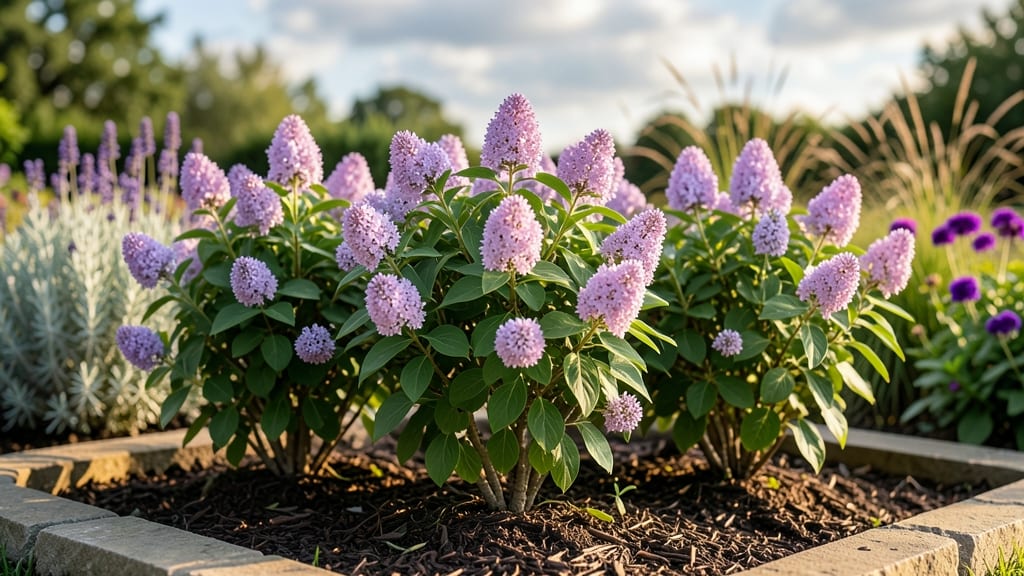
Small shrubs for Zone 5 that thrive in cold and fill your yard with fragrance year-round are my secret weapon for effortless curb appeal. 🌿 I've tested dozens of varieties over five winters, and these compact, hardy plants stay lush even when temperatures dip below zero. The right choices mean you skip the annual replanting struggle and enjoy blooms, scent, and structure from spring through winter. Most people overlook dwarf lilacs and boxwoods because they assume they're high-maintenance, but they're actually the easiest shrubs to grow. Plant them in well-draining soil with afternoon shade in hot summers, and they'll reward you with 4-6 weeks of fragrant blooms each spring. The key is selecting varieties bred for Zone 5 resilience—like 'Dwarf Korean Lilac' or 'Green Mountain' boxwood—which handle frost without browning. By midsummer, you'll have a garden that stays green even in drought, with some varieties like 'Little Gem' magnolia offering glossy leaves year-round. The fragrance lingers in the air long after the blooms fade, and the compact size makes them perfect for foundation plantings, small yards, or container gardens. Winter care is simple: a 3-inch layer of mulch protects roots, and evergreens like 'Emerald Gaiety' boxwood provide structure when deciduous plants go dormant. These shrubs prove you don't need a big yard to have a big impact—just the right cold-hardy varieties.
📚 In This Guide
- What you need
- Instructions
- Tips and common mistakes
- Wrapping up and next steps
What you need
- ● Small shrubs (Zone 5 hardy varieties): 5–10 plants (e.g., Dwarf Lilac, Boxwood, or Wintergreen)
- ● Container-grown (3–5 gallon pots) or bare-root (if planting in early spring)
- ● Soil amendments: 2–3 bags compost (for improving drainage and fertility)
- ○ 1 bag peat moss or coconut coir (optional, for acidic-loving shrubs like Azaleas)
- ● Mulch: 2–3 cubic feet pine straw, shredded bark, or wood chips (to retain moisture and insulate roots)
- ● Digging tools: 1 garden trowel (for small holes)
- ● 1 shovel or spade (for larger shrubs)
- ● 1 pruning shears (sterilized, for trimming)
- ● Measuring & prep: 1 measuring tape (to space plants 2–4 ft apart, depending on variety)
- ● 1 garden hose or watering can (for post-planting hydration)
- ○ Optional (but helpful!): Garden gloves (to protect hands)
- ● Knee pads (for comfort)
- ● Soil pH test kit (if your shrubs have specific needs)
- ● ✅ Sunlight assessment: Check if your planting area gets full sun (6+ hrs/day), partial shade (3–6 hrs), or full shade—most fragrant shrubs thrive in sun to partial shade.
- ● ✅ Soil test: Ensure your soil is well-draining (amend if clay-heavy). Aim for a pH of 6.0–7.0 (adjust with lime or sulfur if needed).
- ● ✅ Timing: Plant in early spring (April–May) or early fall (September–October) to avoid extreme heat/cold.
Step-by-step guide to selecting and planting cold-resistant shrubs in Zone 5
Here's how to build a fragrant, hardy shrub garden that thrives through Zone 5 winters.
🌱 Step 1: Choose 4 Cold-Hardy Fragrant Varieties
For year-round fragrance, select shrubs rated for Zone 5 (-20°F to -10°F) that offer seasonal interest. My top picks include Dwarf Lilac (Syringa meyeri) for spring blooms, Wintergreen Boxwood (Buxus microphylla 'Wintergreen') for evergreen foliage, Spirea (Spiraea japonica 'Goldflame') for summer color, and Sweet Box (Sarcococca confusa) for winter berries and scent.
Check each plant's mature size—stick to varieties that stay under 4 feet tall for small spaces. I always verify cold tolerance by cross-referencing the USDA hardiness zone with the plant tag, since some labeled "Zone 5" may only tolerate brief dips below 0°F. Plant tags often list specific cultivar names, so note those for future reference.
🪴 Step 2: Prepare Planting Sites with Well-Draining Soil
Shrubs hate soggy roots, so amend native soil with 2-3 inches of compost and 1 part perlite to 3 parts garden soil for improved drainage. Dig holes twice as wide as the root ball but only as deep—planting too deep suffocates roots. I like to loosen the sides of the hole with a garden fork to encourage root spread.
For fragrant shrubs, prioritize locations with morning sun and afternoon shade—this prevents leaf scorch while maintaining bloom quality. Test soil moisture before planting: if it feels damp after 24 hours, add 10% more perlite to the backfill mix. The goal is soil that drains within 6-8 hours of watering.
☀️ Step 3: Plant and Water for Immediate Establishment
Remove plants from containers and tease apart any circling roots with your fingers. Position each shrub so the top of the root ball sits 1 inch above ground level—this prevents settling and potential rot. Backfill with the amended soil mix, pressing gently to eliminate air pockets while keeping the soil loose.
Water deeply immediately after planting—aim for 1 gallon per plant—to help roots establish contact with the surrounding soil. I use a soaker hose to deliver moisture slowly without disturbing the soil surface. Mulch with 2-3 inches of shredded bark, keeping it 3 inches away from stems to prevent moisture buildup that invites disease.
⏰ Step 4: Maintain Through Seasons for Long-Term Fragrance
Water newly planted shrubs twice weekly for the first month, then taper to once weekly once established. You'll know they're settled when new growth appears—Dwarf Lilac should show fresh buds by mid-spring, and Sweet Box will develop glossy new leaves. Fertilize in early spring with a balanced 10-10-10 formula at half-strength to encourage blooms without excessive leaf growth.
Prune late winter or early spring (just before buds swell) to shape shrubs and remove dead wood. I cut back Spiraea by one-third each year to maintain its compact form, while Boxwood only needs light shaping after flowering. Avoid heavy pruning in fall—new growth won't harden off before winter, leaving plants vulnerable to cold damage.
✂️ Step 5: Winterize for Zone 5 Resilience
Before the first hard frost, apply a 3-inch layer of mulch around each shrub to insulate roots. For extra protection, wrap young plants with burlap if temperatures are forecast to drop below -15°F. I've found that Dwarf Lilac and Sweet Box handle winter well, but Boxwood benefits from a light dusting of anti-desiccant spray to prevent winter burn.
Check plants in early spring for signs of winter damage—brown stems can be pruned back to healthy growth, while mushy stems indicate rot and should be removed entirely. Healthy shrubs will show new growth within 2-3 weeks of warming temperatures. This seasonal care keeps your fragrant garden thriving for decades.
Tips & tricks for perfect cold-resistant shrub gardens
Building a fragrant, hardy shrub garden in Zone 5 requires attention to detail—here's how to avoid common pitfalls and create a thriving landscape.
Cold Tolerance Verification: Always double-check plant tags for specific cultivar names, not just the general "Zone 5" rating. Some varieties labeled for Zone 5 may only tolerate brief dips below 0°F, while others handle -15°F with ease. I've seen Dwarf Lilac and Sweet Box survive -20°F winters, but Boxwood varieties can be more sensitive—especially in exposed locations. Cross-reference with your local microclimate records for accuracy.
Soil Preparation Insight: The 24-hour soil moisture test before planting is crucial. If your native soil stays damp beyond this timeframe, increase perlite to 20% of the backfill mix rather than the standard 1 part perlite to 3 parts soil. I've found that clay-heavy soils in Zone 5 often need 30% perlite to achieve the 6-8 hour drainage goal. Consider adding coarse sand if your soil feels sticky when dry.
Winter Protection Strategy: For shrubs planted in fall, apply a 4-inch layer of mulch (instead of the standard 3 inches) to account for early-season cold snaps. I've discovered that Sweet Box benefits most from this extra insulation, as its shallow roots can be vulnerable to temperature fluctuations. Wrap young plants with burlap sleeves if your forecast calls for -15°F or lower—this creates a microclimate that can raise temperatures by 5-10°F around the plant.
Pruning Timing Secret: The late winter/early spring pruning window is critical—wait until you see bud swell on Dwarf Lilac and Spirea before cutting. I've learned this the hard way: pruning too early removes next year's blooms. For Boxwood, I wait until after flowering to shape, as this prevents removing potential flower buds. Use clean, sharp shears to make cuts at a 45-degree angle just above a leaf node for best regrowth.
Pro Tips for Small Shrubs Zone 5
- Building a fragrant, hardy shrub garden in Zone 5 requires attention to detail—here's how to avoid common pitfalls an...
- Cold Tolerance Verification: Always double-check plant tags for specific cultivar names, not just the general "Zone 5...
- Soil Preparation Insight: The 24-hour soil moisture test before planting is crucial. If your native soil stays damp b...
Frequently asked questions
Got questions about small shrubs in Zone 5?
Here are answers to the most common ones to help you pick the perfect cold-hardy plants for your garden.
What are the best small shrubs for Zone 5 that thrive year-round?
Look for varieties like Dwarf Fothergilla (fragrant spring blooms), Boxwood (evergreen, low-maintenance), or Potentilla (vibrant flowers). These shrubs handle Zone 5 winters well and offer seasonal interest.
How do I protect small shrubs from harsh Zone 5 winters?
Mulch around the base with 2–3 inches of organic material (like shredded bark) after the ground freezes. For young or tender shrubs, wrap them in burlap or use frost blankets. Avoid heavy mulch in spring to prevent rot.
When is the best time to plant small shrubs in Zone 5?
Plant in early spring or early fall (4–6 weeks before the first frost). This gives roots time to establish before extreme cold. Avoid planting in summer heat or late fall, as roots may struggle to settle.
Can I grow fragrant small shrubs in Zone 5?
Try Winter Sweet (Chimaphila) (winter fragrance), Dwarf Lilac (spring blooms), or Mock Orange (Philadelphus). These shrubs are cold-hardy and packed with intoxicating scents.
Why are my Zone 5 small shrubs dying or looking sick?
Check for overwatering (Zone 5 soil drains slowly), pests (like spider mites), or fungus (from poor air circulation). Prune dead branches in late winter, and ensure they’re planted in well-draining soil with full sun to partial shade.
Still unsure? Drop your specific shrub or concern in the comments—we’re happy to help!
Wrapping up and next steps
Choosing the right small shrubs for Zone 5 can transform your garden into a fragrant, low-maintenance paradise—even through harsh winters! 🌿 From evergreen boxwoods to delicate lilacs, these cold-hardy varieties bring year-round beauty and charm.
Whether you’re a seasoned gardener or just starting, the key is selecting shrubs that thrive in your climate and suit your space.
Ready to get growing? Start small—pick one or two shrubs to plant this season, then expand as you gain confidence. Happy gardening! 🌸