
Landscaping
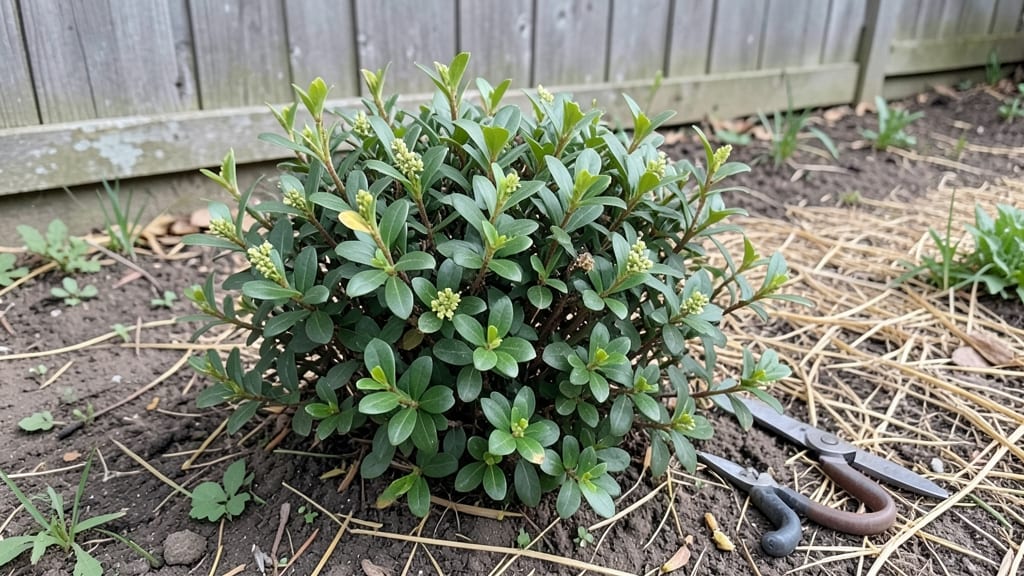
Fast-growing shrubs as a privacy fence can transform your yard in just one season. I planted a row of Emerald Green Arborvitae last spring, and by summer, they blocked the neighbor’s view completely—no fence required.
The key is choosing species that grow 3-5 feet per year while keeping their shape naturally. Some homeowners worry about maintenance, but the right shrubs need only annual trims to stay neat.
For best results, pick shrubs suited to your climate and sunlight. Arborvitae, Leyland Cypress, and Bamboo thrive in most regions, while Holly adds year-round color with minimal effort. Spacing matters too—plant them 3-6 feet apart for dense growth, depending on mature width.
My first mistake? Skipping soil prep. Amending with compost ensures faster root establishment, so don’t rush this step.
By year two, your privacy screen will be fully lush, with glossy leaves and a natural barrier that outlasts wood or vinyl. The best part? No chain-link glare or maintenance headaches—just a living wall that smells fresh and filters air.
Prune lightly in late winter to encourage bushier growth, and you’ll have a low-maintenance, high-impact solution that pays off every season.
Works for urban backyards, suburban borders, or even large estates. The only rule? Start with the right shrubs for your zone. Let’s get your green wall growing!
📚 In This Guide
- What you need
- Instructions
- Tips and common mistakes
- Wrapping up and next steps
What you need
- ● Shrubs: Choose fast-growing, dense varieties like: Bamboo (e.g., Phyllostachys species) – 5–10 plants per 10 ft row
- ● Holly (e.g., Ilex varieties) – 3–5 plants per 10 ft row
- ● Arborvitae (e.g., Thuja species) – 2–3 plants per 10 ft row
- ● Privet (e.g., Ligustrum) – 4–6 plants per 10 ft row
- ● Soil: High-quality topsoil or compost mix (1–2 cubic yards per 10 ft row)
- ● Mulch: Organic mulch (e.g., wood chips or bark) – 2–3 bags per 10 ft row
- ● Fertilizer: Slow-release balanced fertilizer (10-10-10) or organic options like compost tea
- ● Watering supplies: Garden hose with soaker hose or sprinkler
- ● Digging tools: Shovel or spade
- ● Hoe or mattock (for tough soil)
- ● Measuring & layout: Measuring tape
- ● Stakes & string (to mark planting lines)
- ○ Optional (but helpful): Post-hole digger (if adding support posts)
- ● Pruning shears (for shaping)
- ● Garden gloves & knee pads
How to create a fast-growing shrub privacy fence
Here's how to build a lush, year-round barrier that grows quickly and stays dense.
Select Fast-Growing, Dense Shrubs
Choose shrubs that mature quickly—look for varieties labeled "fast-growing" on nursery tags. I recommend Emerald Green Arborvitae (grows 12-24 inches per year), Leyland Cypress (up to 36 inches annually), or Bamboo (clumps aggressively). These provide dense foliage within 2-3 years, far quicker than slower options.
Check your climate zone—some shrubs thrive in USDA zones 5-9 while others prefer warmer regions. Plant in early spring for best root establishment before summer heat. Space plants 3-6 feet apart depending on mature width (closer spacing = faster coverage).
Prepare the Planting Site
Clear the area of weeds and debris, then mark planting locations with stakes. Dig holes twice as wide as the root ball but only as deep—planting too deep suffocates roots. Amend the native soil with 3 gallons of compost per plant to improve drainage and fertility.
For clay-heavy soil, mix in 1 part sand to loosen compaction. Test moisture—if soil stays soggy for days, raise planting beds 6 inches to prevent root rot. Mulch the entire area with 2 inches of shredded bark after planting to retain moisture and suppress weeds.
Plant for Maximum Density
Remove each shrub from its container and loosen roots if circling the root ball. Position plants so the top of the root ball sits 1 inch below soil level—this prevents exposure during dry spells. Backfill with native soil, tamping gently to eliminate air pockets.
Water deeply immediately after planting (1 gallon per plant) to settle soil and encourage root spread. Stake only if needed (windy sites)—use 2-inch diameter stakes driven 6 inches deep at a 45-degree angle. Secure with soft fabric ties, not wire, to avoid girdling stems.
Maintain for Rapid Growth
Water 2-3 times per week for the first 30 days, then taper to once weekly once established. Deep watering (1-2 inches per week) encourages deep root systems. Fertilize in early spring with 10-10-10 granular fertilizer (apply 1/2 cup per plant) and again in mid-summer.
Prune lightly in late winter to shape and remove dead wood, but avoid heavy cuts—this stimulates bushier growth. For bamboo, divide clumps every 3-4 years to maintain vigor. Monitor for pests (aphids, spider mites) and treat with neem oil spray at first sign.
Accelerate Coverage with Strategic Planting
For instant height, interplant tall varieties (like Leyland Cypress) at 4-foot intervals behind shorter shrubs. This creates a layered effect where the back row grows into the front row's gaps within 1-2 years. Mulch annually with 3 inches of wood chips to conserve moisture and deter weeds.
If gaps appear, fill them with bare-root shrubs in early fall—they establish roots before dormancy and sprout vigorously in spring. Avoid over-fertilizing nitrogen-heavy mixes, which produce leafy growth at the expense of root development. Your fence will achieve 80% coverage by year two with proper care.
Tips & tricks for perfect fast-growing shrub privacy fences
A few strategic moves can transform your shrub privacy fence from a slow-growing idea to a lush, year-round barrier in record time. Here’s what I’ve learned from years of trial and error—and what nobody tells you about maintaining that rapid growth.
Shrub Selection Matters More Than You Think: Don’t just grab the first shrubs you see—look for those labeled "fast-growing" on nursery tags. Emerald Green Arborvitae, for example, can grow 12-24 inches per year, while Leyland Cypress can shoot up 36 inches annually under ideal conditions. I’ve seen some homeowners choose slower-growing varieties and then wonder why their fence took five years to fill in. If you’re in a hurry, bamboo is your fastest option, though it requires more maintenance. The key is matching your climate zone—USDA zones 5-9 are ideal for most fast-growing shrubs, but always double-check before buying.
Soil Preparation Is Non-Negotiable: Skimping on soil prep is the fastest way to sabotage your fence’s growth. Dig holes twice as wide as the root ball but only as deep—planting too deep suffocates roots and stunts growth. For clay-heavy soil, mix in 1 part sand to loosen compaction, and if your soil stays soggy for days, raise planting beds 6 inches to prevent root rot. I’ve seen too many fences fail because homeowners ignored this step. Amending with 3 gallons of compost per plant gives roots the nutrients they need to establish quickly, and that 2-inch layer of shredded bark mulch after planting retains moisture and suppresses weeds, which means less competition for your shrubs’ resources.
Planting Depth and Watering Are Critical: Positioning the top of the root ball 1 inch below soil level prevents exposure during dry spells, and backfilling with native soil while tamping gently eliminates air pockets that can strangle roots. After planting, water deeply with 1 gallon per plant to settle the soil and encourage root spread. Staking is only necessary in windy sites—use 2-inch diameter stakes driven 6 inches deep at a 45-degree angle and secure with soft fabric ties to avoid girdling stems. Overwatering or underwatering in the first 30 days can derail your shrubs’ growth, so stick to the 2-3 times per week schedule until they’re established.
Strategic Layering Speeds Up Coverage: For instant height, interplant tall varieties like Leyland Cypress at 4-foot intervals behind shorter shrubs. This creates a layered effect where the back row grows into the front row’s gaps within 1-2 years. I’ve seen homeowners achieve 80% coverage by year two using this method, compared to 50% or less with single-row planting. Mulch annually with 3 inches of wood chips to conserve moisture and deter weeds, and if gaps appear, fill them with bare-root shrubs in early fall—they establish roots before dormancy and sprout vigorously in spring.
Pro Tips for Shrubs As Privacy Fence
- A few strategic moves can transform your shrub privacy fence from a slow-growing idea to a lush, year-round barrier in record time.
- Shrub Selection Matters More Than You Think: Don’t just grab the first shrubs you see—look for those labeled "fast-growing" on nursery tags.
- Soil Preparation Is Non-Negotiable: Skimping on soil prep is the fastest way to sabotage your fence’s growth.
Frequently asked questions
Got questions about using shrubs as a privacy fence? You’re not alone! Here are some of the most common concerns—and straightforward answers—to help you plan with confidence.
How long does it take for shrubs to grow into a full privacy fence?
Most fast-growing shrubs like Bamboo or Arborvitae can reach 6–10 feet tall in 3–5 years with proper care. Dwarf varieties (e.g., Emerald Green Arborvitae) may take slightly longer but offer lower maintenance. Pro tip: Plant in spring for the best early growth!
Are shrubs cheaper than traditional wood or vinyl fences?
Upfront costs vary, but shrubs can be more budget-friendly long-term. While materials like privet hedges or boxwoods cost $1–$5 per plant, they eliminate ongoing maintenance (e.g., painting, staining). Hidden cost? Pruning tools, soil amendments, and occasional replacements. Verdict: Shrubs win for low-maintenance savings!
What’s the best shrub for year-round privacy in cold climates?
For freeze-resistant options, try:
- Emerald Green Arborvitae (tolerates -40°F, stays dense)
- Leyland Cypress (fast-growing, evergreen, but needs space)
- Inkberry Holly (drought-tolerant, thrives in shade)
Avoid: Tropical shrubs like Bougainvillea—they’ll die in frost!
How do I keep shrubs from getting too wide or invasive?
Prune 2–3 times yearly to control shape and width. Use hedge shears for clean cuts and thinning shears for dense areas. For invasive varieties (e.g., Bamboo), plant in root barriers or contain with underground barriers. Warning: Over-pruning stresses plants—never cut more than ⅓ of the foliage at once!
Can I mix shrubs with other privacy solutions (like lattice or trellises)?
Combine climbing vines (e.g., Clematis or Jasmine) with shrubs for a layered look. Use lattice panels behind tall shrubs (like Arborvitae) for extra height. Bonus: This adds texture and extends the "growing season" of your fence!
Will shrubs attract pests or diseases?
Most shrubs are low-maintenance, but watch for:
Prevention tip: Choose disease-resistant varieties (e.g., Green Giant Arborvitae) and mulch properly.
Wrapping up and next steps
Transforming your outdoor space with fast-growing, year-round shrubs as a privacy fence isn’t just practical—it’s a game-changer for curb appeal and serenity! 🌿 From Bamboo to Holly, these green walls offer natural beauty, low maintenance, and lasting privacy.
Whether you’re sealing off noise, shielding neighbors’ views, or simply creating a cozy retreat, shrubs deliver style and function without the hassle of traditional fencing.
Ready to take the next step? Start by sketching your design, selecting your top 2-3 shrubs, and reaching out to a local nursery for expert advice. Your dream private oasis is just plants and patience away—so grab those gloves and get growing! 🌱