
Flowers
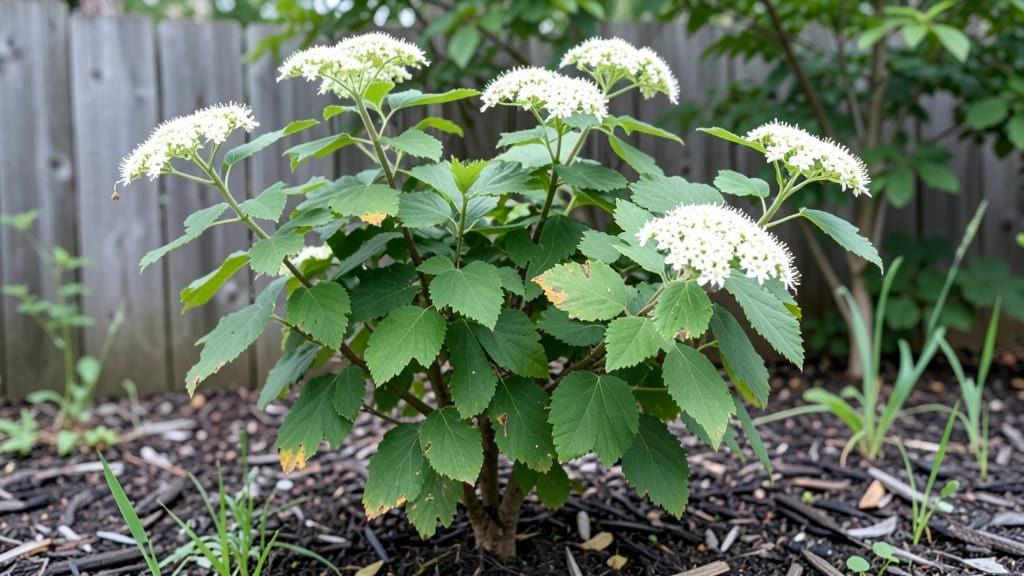
That shrub with white balls of flowers isn’t just pretty—it’s the backbone of my privacy screen that looks stunning in every season. 🌿 I’m talking about plants like hydrangeas or abelias, whose round clusters of white blooms turn heads and block nosy neighbors.
The best part? They keep their structure year-round, even when not in bloom.
These shrubs grow anywhere from 3 to 10 feet tall, so you can use them as a 6-foot hedge or a dramatic focal point. They thrive in partial shade or full sun, making them perfect for modern gardens, cottage-style borders, or even formal hedges.
Pair them with evergreens like boxwood or colorful foliage plants for extra depth.
Imagine a lush, neighborhood-jealous backyard where white floral balls cascade over trellises or line walkways. With the right spacing and pruning, you’ll have a bold, year-round screen that’s low-maintenance and high-impact. The fragrance alone makes it worth it.
Whether you’re filling a small corner or creating a 10-foot-tall living wall, these shrubs adapt to any style. Let’s design your dream privacy screen—one that looks as good in winter as it does in bloom season.
Why Your Shrub Skips White Blooms
If your shrub with delicate white flower clusters isn’t blooming as expected—or worse, isn’t blooming at all—it’s usually a sign that something fundamental is out of balance.
These shrubs (often Hydrangea arborescens or similar varieties) thrive on precision, and even small shifts in care can trigger a lack of those iconic white pom-pom flowers. Let’s break down the top culprits and why they derail your shrub’s floral display.
White-flowering shrubs like Hydrangea arborescens (Oakleaf Hydrangea) and Deutzia crave full sun to partial shade—typically 6+ hours of direct sunlight daily. If your shrub sits in deep shade (e.g., under tall trees or a north-facing wall), it may focus energy on survival rather than blooming.
- 🔍 What happens: In low light, the plant’s photosynthesis slows, leaving insufficient energy for flower buds to form. You might see leafy growth but few (or no) white floral clusters.
- 💡 Fix it:
- Move the shrub to a sunnier spot gradually (over 2–3 weeks) to avoid shock.
- If relocating isn’t possible, prune nearby trees to increase light exposure.
- Use reflective surfaces (like white walls or mirrors) to bounce extra light onto the shrub.
- ⚠️ Warning: Too much intense afternoon sun (especially in hot climates) can also stress the plant. Aim for morning sun + afternoon shade if temperatures exceed 90°F (32°C).
Timing is everything when pruning white-flowering shrubs. These plants often bloom on old wood (last year’s growth), meaning if you prune at the wrong time, you’re essentially sacrificing next season’s flowers.
- 🔍 What happens:
- Pruning after mid-summer (e.g., August–September) removes flower buds that formed the previous year.
- Over-pruning in spring (before buds swell) can also stunt blooming.
- 💡 Fix it:
- Prune right after flowering (late spring/early summer) to shape the shrub without cutting back into old wood.
- For Hydrangea arborescens, prune in late winter/early spring (before buds break) to encourage new growth and larger blooms.
- Avoid heavy pruning—stick to 1/3 or less of the shrub’s height to preserve flower-producing stems.
- 🎯 Pro Tip: If your shrub never bloomed last year, it might be overdue for a reset. Prune back by 1/2 in late winter to stimulate fresh growth.
White-flowering shrubs like Deutzia and Abelia are drought-tolerant but not drought-proof. Watering issues—whether underwatering or overwatering—can halt flower production.
| Issue | Signs | Fix |
|---|---|---|
| Underwatering |
|
|
| Overwatering |
|
|
Flowers are energy-hungry, and if your shrub lacks the right nutrients—or gets too much of the wrong kind—it’ll prioritize leaves over blooms.
- 🔍 What happens:
- Low phosphorus (P): Leads to fewer flowers (phosphorus fuels blooming). Symptoms: Dark green leaves but no buds.
- Too much nitrogen (N): Encourages leafy growth at the expense of flowers. Symptoms: Lush foliage but tiny or no white clusters.
- Micronutrient deficiency (e.g., magnesium, calcium): Causes poor bud formation or deformed flowers.
- 💡 Fix it:
- Feed with a balanced, bloom-boosting fertilizer (e.g., 10-10-10 or 5-10-10) in early spring.
- For phosphorus-rich blooms, use bone meal or rock phosphate in the soil.
- Avoid high-nitrogen fertilizers (like lawn fertilizers) unless you want more leaves than flowers.
- Test soil every 2–3 years to check pH and nutrient levels (ideal pH: 5.5–6.5 for most white-flowering shrubs).
- 🎯 Pro Tip: A foliar spray with seaweed extract (rich in micronutrients) can give a quick boost to struggling buds.
Revive Your Blooming Beauty
If your shrub with fluffy white blossoms is struggling, don’t despair—most issues have simple fixes! Below, we’ve mapped common problems to actionable solutions, so you can get your privacy screen back to its lush, year-round glory. 🌿✨
If your shrub’s roots are soggy or the soil smells foul, it’s time to drain the excess and adjust your watering habits.
- 🔥 Step 1: Pause Watering – Let the top 2–3 inches of soil dry out completely before watering again.
- 👨🍳 Step 2: Improve Drainage –
- Amend heavy clay soil with compost or perlite (mix in a 20% ratio).
- If planted in a container, add gravel or orchid bark to the bottom layer.
- 🥘 Step 3: Elevate the Plant (If Needed) – For container-grown shrubs, ensure pots have drainage holes and elevate them on feet or a saucer.
💡 Pro Tip: Test soil moisture by sticking your finger 2 inches deep—if it’s damp, wait before watering again!
Yellowing, crispy, or drooping foliage often signals too much sun exposure or underwatering in hot conditions.
- 🌡️ Step 1: Provide Shade –
- Use a lightweight shade cloth (30–50%) for afternoon sun.
- Move potted shrubs to a partially shaded spot for a few weeks.
- 💦 Step 2: Water Deeply & Frequently –
- Water at the base of the plant (not the leaves) in the early morning.
- Use mulch (2–3 inches) to retain moisture.
- ✂️ Step 3: Trim Damaged Foliage – Snip off brown, crispy leaves to encourage new growth.
🎯 Prevention: Gradually acclimate young shrubs to full sun (a process called hardening off) to avoid shock.
Holes in leaves, sticky residue, or black spots? Pests or fungal issues are likely the culprit.
🐜 For Insect Infestations (Aphids, Spider Mites, Scale)
| Problem | Solution |
|---|---|
| Soft-bodied pests (aphids, mealybugs) |
|
| Spider mites (tiny webs) |
|
| Scale insects (bumpy brown spots) |
|
🍄 For Fungal Issues (Powdery Mildew, Leaf Spot)
- 🌿 Improve Airflow – Thin out dense foliage or space plants 3–4 feet apart.
- 💦 Water at the Base – Avoid overhead watering, especially in the evening.
- 🌡️ Apply Fungicide –
- Baking soda spray (1 tsp baking soda + 1 quart water + a drop of soap).
- Copper fungicide (follow label instructions).
- ✂️ Remove Infected Leaves – Prune and sterilize tools with rubbing alcohol.
🔥 Prevention: Choose disease-resistant varieties (like Abelia or Weigela) and avoid overhead irrigation.
Brown, mushy stems or delayed blooming in spring? Your shrub may have suffered winter stress.
- 🌡️ Mulch Heavily – Apply 4–6 inches of mulch around the base (but not touching the trunk).
- 🏠 Use Burlap Wraps – For young or tender shrubs, wrap the canes/stems in burlap before the first frost.
- 💧 Water Before Freezing – Give a deep watering before the ground freezes to prevent root damage.
- 🌿 Prune Damaged Growth – In early spring, cut back dead or blackened stems to encourage new growth.
✨ Long-Term Tip: Plant hardy varieties (like Potentilla or Dwarf Fothergilla) if your climate has harsh winters.
With these targeted fixes, your white-flowering shrub should bounce back stronger than ever—ready to deliver that bold, year-round privacy you love! 🌸🌿
Frequently asked questions
What are the most popular shrubs with white ball-shaped flowers?
Top picks include Hydrangea arborescens (Oakleaf Hydrangea), Deutzia, and Abelia. These varieties thrive in different climates and offer 3-10 feet of lush, fragrant foliage. For a bold privacy screen, consider Weigela or Potentilla—both produce dense clusters perfect for hedges.
How do I encourage bigger white flower clusters?
Feed your shrub with a phosphorus-rich fertilizer (like 10-10-10) in early spring and prune lightly after blooming. Ensure it gets 6+ hours of sunlight and water deeply 1-2x per week. For Hydrangea arborescens, prune in late winter to stimulate fresh growth.
Can these shrubs survive in full shade?
Most white-flowering shrubs prefer partial shade to full sun. In deep shade, they may produce fewer blooms. Try Abelia or Dwarf Fothergilla for tolerant varieties, but expect smaller flowers. If your yard is shady, place them near reflective surfaces (like white walls) to boost light exposure.
How far apart should I plant them for a privacy hedge?
Space 3-4 feet apart for a 6-foot-tall hedge or 5-6 feet apart for taller varieties like Weigela. This spacing allows airflow (reducing pests) and room to grow without overcrowding. For a 10-foot screen, plant Abelia or Deutzia 6-8 feet apart.
Do these shrubs attract bees or butterflies?
Shrubs like Deutzia and Abelia are pollinator magnets. Their fragrant white blooms draw bees, butterflies, and hummingbirds. For maximum impact, pair them with purple coneflowers or lavender to create a garden ecosystem that thrives year-round.