
Shrubs
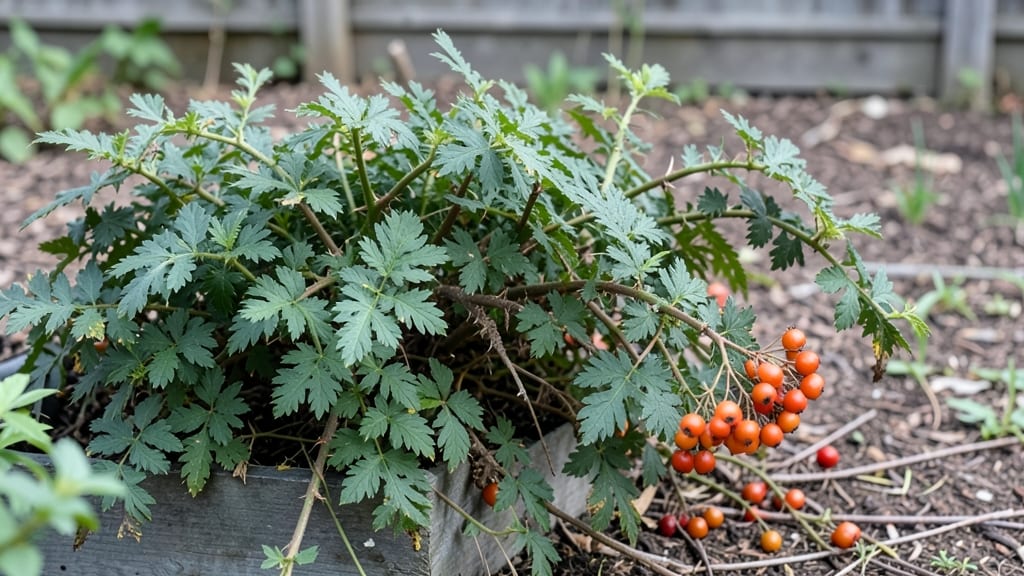
Spiky-leaved shrubs turn ordinary landscapes into striking focal points with their bold architecture. 🌿 I’ve used them to create natural privacy screens, dramatic borders, and even conversation-starting garden art—all while keeping maintenance surprisingly simple.
The key is pairing their sharp edges with softer textures like ornamental grasses or flowering perennials to balance the look.
These plants shine year-round: holly keeps its glossy leaves and bright berries through winter, pyracantha offers fiery orange fruit clusters, and agave delivers architectural drama with minimal fuss. Most thrive in full sun and well-drained soil, making them perfect for hot, dry climates or rocky slopes where other shrubs struggle.
You’ll end up with a garden that feels both wild and intentional—think of holly’s glossy spikes framing a front door or pyracantha’s berries feeding birds while adding winter color. The best part? Their sharp foliage deters pests naturally, so you get beauty and practicality.
Works for formal hedges, cottage-style borders, or even as standalone statement plants. Here’s how to choose the right one for your space and style.
Nature’s Defense Mechanism Explained
Spiky leaves on shrubs aren’t just a quirky design—they’re a survival strategy! These sharp, jagged foliages serve multiple purposes, from deterring herbivores to regulating temperature. Let’s break down the science behind why some shrubs evolve such striking (and prickly) features.
One of the most common reasons for spiky leaves is herbivore deterrence. Many shrubs grow in areas where deer, rabbits, or insects are eager to snack on tender foliage.
Sharp spines or serrated edges make it difficult (and painful) for animals to chew through the leaves, acting as a natural “keep out” sign.
- Evolutionary advantage: Shrubs with spiky leaves are less likely to be eaten, allowing them to thrive and reproduce.
- Examples: Holly (Ilex spp.), barberry (Berberis spp.), and acacia shrubs all rely on this defense.
- Actionable insight: If you’re growing a spiky shrub in a high-traffic garden, consider placing it near pathways where animals are less likely to browse.
Spiky leaves can also help shrubs manage heat and sunlight exposure. The sharp, upright structure of some leaves creates microclimates that reduce direct sunlight absorption, preventing overheating.
- How it works: The spines or jagged edges increase surface area while minimizing leaf exposure, allowing for better airflow and moisture retention.
- Examples: Desert-adapted shrubs like Agave or Yucca use spiky foliage to survive in harsh, sunny conditions.
- Pro tip: If your spiky shrub is wilting in full sun, try providing afternoon shade to mimic its natural habitat.
In dry climates, spiky leaves can reduce water loss through a process called transpiration regulation. The sharp, waxy surfaces of some leaves create a barrier that limits moisture evaporation, helping the plant conserve water during droughts.
- Science behind it: The rough texture and reduced surface area of spiky leaves decrease the plant’s exposure to wind, which can dry out leaves faster.
- Examples: Shrubs like Rosemary (Salvia rosmarinus) or Russian Sage (Perovskia atriplicifolia) thrive in arid conditions thanks to their spiky, drought-resistant foliage.
- Garden hack: If you’re growing a spiky shrub in a container, use well-draining soil and avoid overwatering to support its natural water-conserving traits.
Some shrubs develop spiky leaves simply because of their growth structure. The sharp edges can provide structural integrity, especially in windy or unstable environments. Additionally, the arrangement of spines can help the plant climb or spread more effectively.
- How it helps: Spines can act as tiny “anchors,” preventing leaves from tearing in strong winds or supporting climbing vines.
- Examples: Pyrrhocactus (a cactus-like shrub) and Goumia (a climbing shrub) use spines for both protection and structural support.
- Landscaping tip: If your spiky shrub is struggling in windy areas, consider staking it or planting it near a windbreak.
Whether it’s for defense, survival, or structural support, spiky leaves are a fascinating adaptation that makes these shrubs both resilient and visually striking. Understanding the “why” behind their prickly nature can help you care for them more effectively—and even inspire creative garden designs!
Fixing Thorny Shrub Issues
Got a prickly problem with your spiky-leaved shrub? Whether it’s overgrowth, pests, or an unattractive shape, these solutions will help you restore balance—without the pokes! Below, we’ve matched common issues with straightforward fixes, plus tips to keep your shrub thriving long-term.
Cause: Fast growth, lack of pruning, or poor shaping techniques. Fix:
- 🔪 Trim strategically in late winter or early spring (before new growth starts). Use clean, sharp bypass pruners to avoid tearing leaves.
- 🎯 Shape gradually—never cut more than ⅓ of the shrub’s foliage at once. Focus on removing crossing or dead branches first.
- 🌱 Thin out dense areas by selectively pruning inner branches to improve airflow and light penetration.
Prevention Tip: Schedule a light pruning session every 6–12 months to maintain shape and encourage bushier growth. Avoid heavy pruning in fall, as it can stimulate tender new growth vulnerable to frost.
Cause: Spider mites, aphids, fungal spots, or scale insects targeting weak or stressed shrubs. Fix:
- 💦 Blast off pests with a strong stream of water to dislodge aphids or spider mites. Follow up with neem oil (1 tsp per quart of water) or insecticidal soap for stubborn infestations.
- 🍄 Treat fungal issues with a copper fungicide or baking soda spray (1 tbsp baking soda + 1 tsp dish soap + 1 gallon water). Apply every 7–10 days until symptoms fade.
- 🌱 Boost plant health by ensuring proper drainage and avoiding overhead watering, which can encourage fungal growth.
Prevention Tip: 💡 Inspect leaves regularly for early signs of pests (sticky residue, webbing, or discolored spots). Healthy soil and mulch also deter many issues—add compost annually to keep roots strong!
Cause: Intense afternoon sun, drought stress, or improper watering. Fix:
- 💧 Water deeply but infrequently—aim for 1–1.5 inches per week, especially during dry spells. Water at the base (not leaves) to reduce evaporation.
- 🌿 Provide afternoon shade temporarily with a lightweight shade cloth (30–50% coverage) if your shrub is struggling in full sun.
- 🍂 Mulch heavily (2–3 inches of organic mulch like wood chips) to retain moisture and protect roots.
Prevention Tip: ✨ Choose the right spot—if your shrub is naturally shade-tolerant (like holly or boxwood), avoid planting it in scorching afternoon sun. Check its native growing conditions for clues!
Cause: Crowded roots, compacted soil, or nutrient deficiencies. Fix:
- 🌱 Repot or refresh soil if roots are circling the container. Gently loosen roots and transplant to a slightly larger pot with well-draining potting mix.
- 💪 Fertilize lightly in spring with a balanced, slow-release fertilizer (10-10-10 or similar). Avoid over-fertilizing, which can burn roots.
- 🔄 Aerate the soil in garden beds by adding compost or perlite to improve drainage and root expansion.
Prevention Tip: 🌡️ Monitor soil moisture—soggy soil suffocates roots, while dry soil stresses them. Aim for consistently moist (not soggy) soil for optimal growth.
Final Pro Tip: 🎯 Observe your shrub’s natural habits—some spiky-leaved varieties (like pyracantha or barberry) thrive with minimal intervention, while others need regular pruning. Adjust your care routine based on its specific needs!
Frequently asked questions
Which shrubs with spiky leaves work best for privacy hedges?
Pyracantha and holly are top choices for dense, thorny hedges. Pyracantha grows quickly (up to 3 feet per year) and produces bright berries that attract birds, while holly offers year-round structure with glossy leaves and red berries. Both tolerate pruning well and thrive in full sun.
Are spiky-leaved shrubs safe around pets or children?
Most spiky shrubs are non-toxic, but their sharp leaves can cause pokes! Holly berries are toxic if ingested in large quantities, while agave and yucca are generally safe but still prickly. Opt for barberry or pyracantha for a balance of safety and sharp foliage.
How do I prune spiky shrubs without getting hurt?
Wear thick gardening gloves and use long-handled pruners to avoid direct contact. Prune after flowering (for berry-producing shrubs like pyracantha) or in late winter. Always cut just above a leaf node at a 45-degree angle for clean regrowth.
Can I grow spiky shrubs in containers?
Dwarf varieties like ‘Dwarf Pygmy’ pyracantha or ‘Blue Rug’ juniper thrive in containers. Use well-draining soil and a pot with drainage holes. Repot every 2-3 years and fertilize lightly in spring for best results.
Do spiky shrubs attract wildlife?
Yes! Many spiky shrubs like holly and pyracantha provide food and shelter for birds and beneficial insects. The berries attract birds year-round, while the dense foliage offers protection for small animals. Just avoid planting near high-traffic areas if you dislike wildlife visits.