
Shrubs
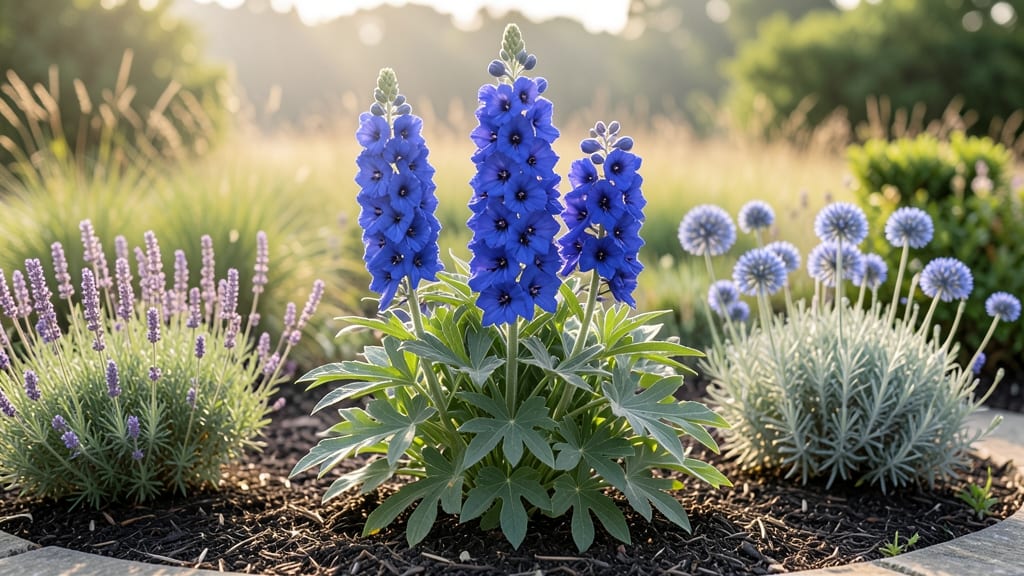
Blue flowering perennials shrubs such as lavender, salvia, and catmint bring bold color to gardens while requiring little care, flourishing in full sun and well-drained soil to support vibrant blooms and support pollinators throughout the seasons.
These hardy plants owe their striking blue hues to natural pigments called anthocyanins, which also help them thrive in dry conditions. 🌿 Many of these shrubs—like Russian sage and butterfly bush—are drought-tolerant once established, making them perfect for xeric landscapes or low-water gardens.
Their ability to attract bees, butterflies, and hummingbirds adds an extra layer of ecological value, turning your garden into a pollinator paradise with minimal effort.
What sets these shrubs apart is their adaptability across different climates. For instance, lavender excels in Mediterranean climates, while Russian sage handles both heat and cold, making it ideal for zones 5 through 9.
Most require pruning only after flowering to maintain shape, and their deep root systems mean they rarely need staking. The key to their success lies in well-drained soil—this prevents root rot and keeps their vibrant blue blooms coming back year after year.
💡 In This Article
- Why Blue Perennial Shrubs Thrive in Gardens
- Best Low-Maintenance Blue Flowering Shrubs for Different Climates
Why blue perennial shrubs thrive in gardens
Blue hues in flowering shrubs come from anthocyanins—water-soluble pigments that also protect plants from UV damage and regulate sunlight absorption. These compounds thrive in acidic soils (pH 5.5-6.5), which is why many blue perennials like salvia and catmint prefer slightly acidic conditions.
The deeper blue tones you see in flowers like Russian sage (Perovskia atriplicifolia) result from higher anthocyanin concentrations, which also help the plant conserve water by reducing leaf surface area for evaporation. 💫
The drought resistance of these shrubs stems from their deep root systems, which can reach 3-5 feet underground to access moisture. For example, lavender's roots grow horizontally to spread out widely, while butterfly bush (Buddleia) develops a taproot that penetrates deep.
This adaptation allows them to survive with just 1 inch of water per week once established—ideal for water-conscious gardeners. Their silvery or gray-green foliage also reflects sunlight, reducing water loss through transpiration.
Seasonal blooming patterns are another key advantage. Most blue perennials produce flowers from late spring through fall, with some like Russian sage reblooming intermittently until frost. The timing aligns with pollinator activity peaks, creating a continuous food source for bees and butterflies.
Unlike annuals that need replanting, these shrubs return year after year with minimal intervention—just a light pruning after flowering to maintain shape and encourage new growth. 🌸
Sunlight requirements play a crucial role in their success. Blue perennials generally need 6-8 hours of full sun daily to develop their signature vibrant colors. In lower light conditions, flowers may appear paler or produce fewer blooms.
For instance, salvia 'May Night' grows 2-3 feet tall with deep blue spikes when given full sun, but may only reach 1-2 feet with reduced flowering in partial shade. This sun-loving nature makes them perfect for southern exposures or Mediterranean-style gardens.
Soil drainage is equally critical—these shrubs hate soggy roots. Amending heavy clay with organic matter like compost or sand creates the ideal well-drained environment. The root systems of plants like catmint (Nepeta) actually prefer slightly rocky or gravelly soils, which prevent compaction and improve aeration.
This adaptability lets gardeners use them in slopes, containers, or even between pavement cracks where water pools less frequently. 🌿
What most gardeners don't realize is how these shrubs' growth habits contribute to their low-maintenance nature. Many form dense, woody bases that resist flopping over in wind or rain, eliminating the need for staking.
Their ability to self-seed (like catmint) also means they'll naturally fill in gaps over time, creating lush blue carpets with minimal effort. The trade-off? Some may require occasional thinning to prevent overcrowding. 🌟