
Pests and Diseases
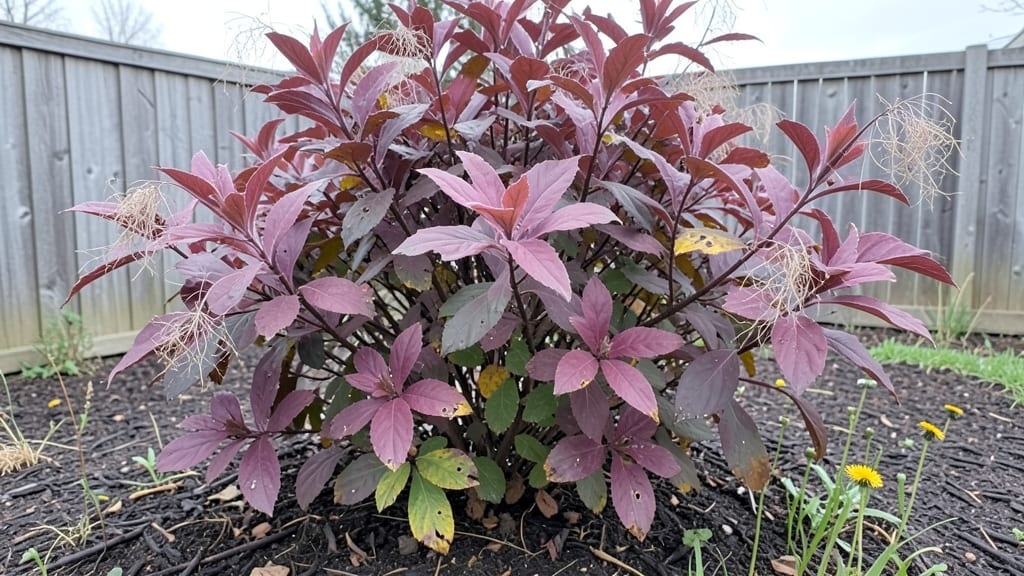
Transforming your garden into a living painting starts with a shrub whose leaves shift from pink and green in spring to deeper hues as seasons change. 🌿 I fell for these eye-catching plants when I spotted one in a nursery—its foliage looked like it had been hand-painted, and it became the centerpiece of my patio containers almost instantly.
The secret lies in their ability to create bold color contrast without needing flowers, making them perfect for borders, hedges, or even standalone focal points.
These shrubs thrive in containers, letting you move them to catch sunlight or create seasonal displays. Pair them with silver foliage plants like lamb’s ear or dusty miller to make the pink-green leaves pop even more.
They’re surprisingly low-maintenance too—just prune back in early spring and water consistently, and you’ll have vibrant color that lasts from early spring through winter’s first frost.
Imagine your garden in late summer when the pink fades to burgundy, or how it’ll glow in morning sunlight when the leaves first emerge. The contrast with evergreens or dark foliage creates drama, while their compact size makes them ideal for small spaces.
You’ll get compliments without lifting a finger—just place, water, and admire.
Works equally well in modern or cottage-style gardens, and their versatility means you can use them as a hedge, a container specimen, or even a privacy screen.
The key is positioning them where their foliage gets at least 4-6 hours of sun daily—the more light, the brighter the color contrast will be all season long.
The Science Behind Leaf Color Shifts
When your shrub sports a stunning mix of pink and green leaves, it’s often a sign of something fascinating—and sometimes problematic—happening at the cellular level. These vibrant color changes rarely occur by chance; they’re usually triggered by environmental stress, nutrient imbalances, or even pest activity.
Below, we break down the most common causes, why they happen, and how to identify them before they take over your prized plant.
If your shrub is exposed to unexpected cold snaps or rapid temperature swings, its leaves may develop pink or reddish hues as a survival mechanism. Here’s why:
- Anthocyanin production: When chlorophyll (the green pigment responsible for photosynthesis) breaks down due to cold, the plant ramps up production of anthocyanins—antioxidant pigments that protect cells from frost damage. These compounds give leaves their pink, purple, or red tones.
- Cell membrane damage: Freezing temperatures can rupture cell walls, triggering stress signals that alter pigment production. Evergreens and semi-evergreens (like Pieris japonica or Abelia) are particularly prone to this.
- Sunburn risk: Pink leaves can also signal winter sun scorch, where bright winter sunlight combined with cold air dehydrates leaf tissues. This often happens on south-facing sides of containers.
🔍 How to spot it: Check for:
- Pink edges or patches on older leaves (new growth stays green).
- Crispy or dry leaf margins (a sign of sun scorch).
- Slow recovery after frost (leaves stay pink instead of reverting to green).
✨ Pro tip: Mulch container bases with 3–4 inches of bark or straw in fall to insulate roots. Use shade cloth on sunny winter days to prevent sunburn.
Water—too much or too little—can throw your shrub’s pigment balance into chaos. Pink leaves often appear when roots struggle to deliver nutrients or oxygen to foliage.
| Issue | Why It Causes Pink Leaves | Visual Clues |
|---|---|---|
| Underwatering | Drought stress triggers abscisic acid, a hormone that signals chlorophyll breakdown and anthocyanin production to reduce water loss. | Leaves curl, feel dry, and develop pink or bronze hues from the edges inward. |
| Overwatering | Root suffocation cuts off oxygen, causing nutrient deficiencies (especially iron and nitrogen). Pink leaves may appear alongside yellowing (chlorosis). | Yellow veins with pink patches; soggy soil; wilting despite moist conditions. |
| Salt buildup | Excess salts (from tap water or fertilizers) block nutrient uptake, mimicking drought stress. Common in container plants. | Pink or purple leaves with crusty soil surface; stunted growth. |
💡 Actionable fix: Test soil moisture with your finger—top 1–2 inches should dry out between waterings. For containers, use rainwater or filtered water to avoid salt buildup. Flush soil annually with water + 1 tbsp citric acid to dissolve salts.
Pink leaves can be a cry for help from your shrub’s roots. Specific deficiencies trigger color shifts by disrupting chlorophyll synthesis or promoting stress pigments.
- Phosphorus deficiency: Leaves may turn deep pink or purple, especially on lower stems. Phosphorus helps energy transfer in cells; without it, anthocyanins flood in as a backup.
- Magnesium deficiency: Causes interveinal pink or yellow patches (chlorosis between veins). Magnesium is central to chlorophyll’s structure.
- High soil pH (alkaline conditions): Locks out iron and manganese, leading to pinkish leaves with green veins. Common in azaleas, rhododendrons, and hydrangeas.
🔍 Diagnostic table:
| Deficiency | Leaf Color Pattern | Fix It With |
|---|---|---|
| Phosphorus | Uniform pink/purple, often on older leaves | Bone meal or low-N, high-P fertilizer (e.g., 5-10-10) |
| Magnesium | Pink/yellow between veins; veins stay green | Epsom salt (1 tbsp/gallon of water, applied foliarly) |
| Iron/Manganese (alkaline soil) | Green veins + pink/yellow patches | Chelated iron or sulfur to lower pH; use acid-loving plant mix |
🌱 Pro tip: For container plants, refresh soil every 2 years to prevent nutrient depletion. Mix in compost or worm castings to improve microbial activity and nutrient availability.
While pests rarely cause pink leaves directly, their feeding or infections can stress the plant enough to trigger pigment changes. Here’s how:
- Spider mites & aphids: These sap-suckers reduce chlorophyll by damaging cells, leading to pale pink or stippled leaves. Heavy infestations cause leaves to curl or drop prematurely.
- Fungal infections (e.g., powdery mildew): Fungi like Erysiphe thrive in humid conditions, coating leaves with a white powder. The plant’s defense response can boost anthocyanins, turning leaves pinkish-red.
- Root-knot nematodes: These microscopic worms disrupt root function, starving the shrub of water and nutrients. Pink or purple leaves may appear alongside stunted growth and wilting.
🦟 How to confirm:
- Check leaf undersides for webs (mites), sticky residue (aphids), or white powder (mildew).
- Gently tug on roots—look for gall-like lumps (nematodes) or blackened, mushy roots (rot).
- Pink leaves paired with sticky honeydew or sooty mold (black fungal growth) = pest problem.
🛡️
Revive Your Shrub’s Stunning Foliage
If your once-vibrant shrub with pink and green leaves is losing its luster, don’t panic! Whether the issue stems from environmental stress, pests, or nutrient deficiencies, there’s a practical fix to restore its beauty.
Below, we’ve mapped out solutions tailored to the most common causes—plus prevention tips to keep your shrub thriving year-round.
When leaves shift to dull pink or yellow-green, it’s often a cry for better care. Shrubs like Cotinus (smoke bush) or Euonymus (spindle tree) thrive in balanced conditions, but too much sun, shade, or inconsistent watering can throw them off.
🔥 Adjust Light Exposure
- Problem: Pale pink leaves or washed-out green? Your shrub may be getting too much direct sun, causing leaf scorch.
- Fix:
- Move potted shrubs to a spot with morning sun and afternoon shade.
- If outdoors, plant near a dappled-light area (e.g., under a tree with sparse branches).
- Use a lightweight shade cloth (30-50%) in peak summer if full sun is unavoidable.
💧 Optimize Watering Routine
- Problem: Crispy edges or drooping leaves? Underwatering stresses shrubs, while soggy soil leads to root rot.
- Fix:
- Water deeply 1-2 times per week (adjust for clay vs. sandy soil).
- Check moisture by sticking your finger 2 inches into the soil—water if it’s dry.
- Mulch around the base (2-3 inches of organic mulch) to retain moisture and regulate temperature.
💡 Pro Tip: Water at the soil level (not the leaves) to prevent fungal issues. Use a soaker hose for even distribution.
Spotted bugs or fungal spots? Pests like spider mites, aphids, or diseases like powdery mildew can dull a shrub’s colors and stunt growth.
🐛 Treating Common Pests
| Pest | Signs | Solution |
|---|---|---|
| Spider Mites | Tiny webs, stippled leaves | Spray with neem oil (mix 1 tbsp per quart of water) weekly. |
| Aphids | Sticky residue, curled leaves | Blast off with water, then apply insecticidal soap. |
| Scale Insects | White/brown bumps on stems | Scrape off manually or use horticultural oil in dormant season. |
🍄 Managing Fungal Diseases
- Problem: White powder on leaves (powdery mildew) or black spots (anthracnose)?
- Fix:
- Prune infected leaves immediately and dispose of them.
- Spray with a baking soda solution (1 tsp baking soda + 1 quart water + a drop of dish soap) every 7-10 days.
- Improve airflow by thinning dense foliage or spacing plants 3-4 feet apart.
✨ Prevention Tip: Water early in the day to let leaves dry quickly, reducing fungal spores.
If your shrub’s pink and green hues look lifeless, it might be hungry. Nutrient imbalances—especially nitrogen (N), phosphorus (P), or iron (Fe)—can cause leaf discoloration.
🍽️ Feeding for Vibrant Foliage
- Problem: Yellow-green leaves with pinkish veins? Likely an iron deficiency.
- Fix:
- Apply an iron chelate fertilizer (follow label rates) in early spring.
- For general health, use a balanced slow-release fertilizer (10-10-10) in spring and fall.
- Organic option: Mix compost or worm castings into the soil for a nutrient boost.
💪 Pro Tip: Avoid over-fertilizing—too much nitrogen can burn roots and turn leaves yellow.
Dead, diseased, or overcrowded branches can drain energy from your shrub, dulling its colors. Strategic pruning encourages new growth and better airflow.
✂️ Step-by-Step Pruning Guide
- 🔪 Use Clean Tools: Sterilize shears with rubbing alcohol to prevent disease spread.
- 🌿 Remove the Bad:
- Cut out dead or crossing branches at the base.
- Trim 1/3 of the oldest stems to encourage new, vibrant growth.
- 🎨 Shape Gently:
- For rounded shrubs, prune just outside the leaf bud at a 45-degree angle.
- Avoid "topping" (cutting back to stubs)—it stresses the plant.
⏰ Best Time to Prune:
- Spring (late March): Encourages summer blooms.
- Early Fall (September): Prepares for winter dormancy.
With these targeted fixes, your shrub should bounce back with bold pink and green leaves in no time. Stay consistent with care, and it’ll reward you with four-season color for years to come! 🌸
Frequently asked questions
Which shrubs naturally have pink and green foliage?
Popular choices include Cotinus coggygria (smoke bush), Euonymus alatus (burning bush), and Abelia grandiflora. These shrubs produce striking pink-tinged new growth that matures to deep green or burgundy, creating beautiful seasonal contrast.
Can I grow these shrubs in containers?
Many pink-and-green shrubs thrive in containers, especially smaller varieties like Abelia or Dwarf Fothergilla. Use well-draining potting mix and a pot with drainage holes. Just ensure they get 4-6 hours of sunlight daily to maintain vibrant foliage colors.
Why are my shrub's leaves turning pink instead of staying green?
Pink leaves often signal stress from cold temperatures, nutrient deficiencies (like phosphorus or magnesium), or overwatering. Check for crispy edges (sunburn) or yellow veins (nutrient issues). Adjust care—mulch in winter, test soil pH, and water consistently.
How do I pair these shrubs with other plants for maximum impact?
Combine them with silver foliage plants like Artemisia or Lamb’s Ear to make the pink-green hues pop. Dark-leaved plants (e.g., Heuchera) create dramatic contrast, while white flowers (like Dianthus) enhance their vibrancy.
Are these shrubs deer-resistant?
Most pink-and-green shrubs are moderately deer-resistant, but hungry deer may still nibble. Abelia and Cotinus are better choices than Euonymus, which deer often avoid. Plant near deer-resistant companions like Boxwood or Russian Sage for extra protection.