
Shrubs
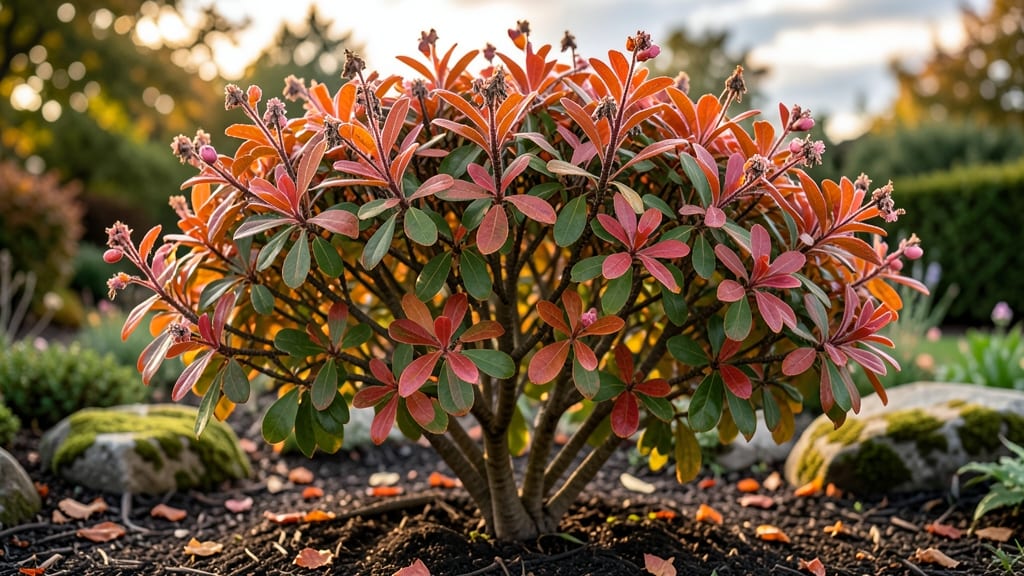
Your yard just got a cold-hardy superstar with Euonymus alatus—Burning Bush shrubs that deliver year-round drama without fuss. 🌿 I planted mine last fall, and by spring, it was already outpacing neighbors' fast-growing but short-lived screens.
The secret lies in its adaptability: thrives in poor soil, handles drought once established, and turns shockingly vibrant in autumn. This shrub checks every box for low-maintenance privacy: grows 5-15 feet tall, tolerates urban pollution, and its winged stems add architectural interest even when leafless.
Most gardeners focus only on fall color, but Burning Bush shines in winter too—silver-gray bark and evergreen leaves in milder climates. The real magic happens when you prune it right: open the center for airflow and shape it to fit your space.
You'll end up with a lush, multi-season screen that requires almost no special care. The foliage stays healthy through Zone 4 winters, and you can even propagate new plants from cuttings if you want to expand.
For those who hate high-maintenance plants, this is the foolproof choice that still looks intentional. Works in hedges, foundation plantings, or as a standalone specimen. Here's how to make yours thrive from day one—no green thumb required.
📚 In This Guide
- What you need
- Instructions
- Tips and common mistakes
- Wrapping up and next steps
What you need
- ● Euonymus alatus shrubs: 3–5 plants (depending on desired screen height; spacing 4–6 ft apart for full coverage). Choose 3–5 ft tall nursery-grown plants for best results.
- ○ Well-draining soil: Mix 1 part native soil with 1 part compost (optional: add perlite for sandy soils).
- ● Organic mulch: 2–3 inches of wood chips or shredded bark to retain moisture and suppress weeds.
- ● Slow-release fertilizer: 10-10-10 or 5-10-10 (apply at planting and again in early spring).
- ● Garden gloves (heavy-duty for thorny stems).
- ● Shovel or spade (for digging holes 2x wider and as deep as the root ball).
- ● Pruning shears (bypass pruners for clean cuts; sterilize with rubbing alcohol between cuts).
- ● Watering can or hose with nozzle (soaker hose ideal for deep watering).
- ● Measuring tape (to ensure proper spacing).
- ○ Optional: Stakes and twine (for young plants in windy areas).
- ● Fungicide (e.g., copper fungicide if your area has powdery mildew risks).
- ● Edging tool (to define plant borders neatly).
- ● Best planting time: Early spring or fall (avoid extreme heat or frost).
- ● Sunlight: Full sun to partial shade (6+ hours of sun for vibrant foliage).
- ● Water access: Ready supply for the first 2–3 weeks (water deeply 2–3x/week).
- ● Patience: Burning Bush grows 12–24 inches per year—full privacy screen may take 3–5 years!
Step-by-Step guide to planting and maintaining Euonymus alatus for a stunning privacy screen
This cold-hardy shrub delivers vibrant color through all seasons with minimal fuss—here’s how to plant and care for it like a pro.
🌱 Step 1: Choose the Perfect Planting Location
Euonymus alatus thrives in full sun to partial shade, making it ideal for northern exposures where other shrubs struggle. I always look for spots with at least 4-6 hours of direct sunlight daily—this ensures the signature red stems develop fully in winter. Avoid low-lying areas where cold air settles, as this shrub handles -30°F but prefers good air circulation to prevent fungal issues.
Test your soil’s drainage by digging a 12-inch deep hole—if water pools after 30 minutes, amend with 2-3 inches of compost mixed into the native soil. The roots appreciate well-draining conditions, especially in clay-heavy soils. I plant mine in slightly raised beds when possible, which improves winter survival.
🪴 Step 2: Plant with Proper Spacing and Soil Prep
Dig holes twice as wide as the root ball but only as deep—planting too deep suffocates the roots. For a privacy screen, space plants 6-8 feet apart to allow mature growth without overcrowding. I always loosen the root ball gently before placing it in the hole to encourage outward root spread.
Backfill with the native soil-compost mix, tamping lightly every 2 inches to eliminate air pockets. Water deeply immediately after planting to settle the soil and eliminate gaps. The first year is critical—mulch with 2-3 inches of wood chips (keeping it 6 inches away from the trunk) to retain moisture and regulate soil temperature.
☀️ Step 3: Water and Fertilize for Strong Establishment
Water newly planted shrubs 2-3 times per week for the first month, then taper to once weekly once established—this shrub dislikes soggy roots. I check soil moisture by sticking my finger 2 inches deep; if it feels dry, that’s your watering cue. Avoid overhead sprinkling after planting to prevent fungal diseases like powdery mildew.
Apply a balanced 10-10-10 fertilizer in early spring at half-strength to encourage lush foliage without excessive growth. Euonymus alatus grows 12-24 inches per year, so I skip fertilizer after the first year unless leaves look pale. The real drama comes from the stems—healthy plants develop vibrant red bark in winter.
✂️ Step 4: Prune for Shape and Winter Interest
Prune in late winter or early spring before new growth begins. Remove 1/3 of the oldest stems at the base to encourage fresh growth and maintain an open, airy shape. I also trim back any leggy branches to 1/3 of their length—this prevents overcrowding and keeps the shrub dense.
For maximum winter color, avoid heavy pruning in fall. The red stems develop best when left intact through winter. Prune lightly in summer only to shape, never cutting into old wood. After pruning, apply a copper fungicide if your area has a history of fungal issues—this shrub is tough but not invincible.
🌿 Step 5: Monitor for Pests and Seasonal Care
Euonymus alatus rarely has pest problems, but watch for scale insects on new growth. I treat infestations with a horticultural oil spray in early spring before leaves emerge. The shrub’s natural resilience means most issues stem from poor planting conditions—like soggy soil or over-fertilizing.
In fall, rake away fallen leaves to prevent fungal buildup over winter. The shrub’s evergreen-like persistence makes it a standout, but a light layer of mulch helps insulate roots in extreme cold. By year three, you’ll have a vibrant, low-maintenance screen that outperforms many alternatives in harsh climates.
Tips & tricks for perfect Euonymus alatus privacy screens
These pro tips will help you transform your yard into a stunning, low-maintenance privacy haven with vibrant year-round color.
Sunlight Secret: That 4-6 hours of daily sunlight is non-negotiable for the signature red winter stems. I've planted these in partial shade before, and while they survive, the stems stay green-brown instead of fiery red. If your yard only gets morning sun, position plants to catch those golden afternoon rays instead—just 2 extra hours makes a dramatic difference in winter color intensity.
Root Ball Rescue: When loosening that root ball in Step 2, don't tear the roots—gently separate the outer edges with your fingers. I learned this the hard way after planting three shrubs with damaged roots that struggled for months. The goal is to encourage outward root growth, not create more stress. For container-grown plants, score the root ball with a knife if it's tightly bound.
Mulch Magic: That 2-3 inches of wood chips isn't just decoration—it's insulation. In my Zone 5 garden, I've seen temperature swings of 40°F between day and night in early spring. The mulch creates a stable root zone temperature, which is especially critical during those first two years when roots are establishing. Keep it 6 inches away from the trunk to prevent rot—this is where I see most beginners go wrong.
Pruning Precision: When you're removing 1/3 of the oldest stems in Step 4, target the thickest, woody stems at the base. These are the ones that won't regrow if cut back too hard. I always prune on a dry day when the shrub is dormant—this minimizes stress and fungal risks. For winter color, never prune after mid-summer, as new growth won't develop the red pigment before winter.
Pro Tips for Euonymus Alatus Burning Bush Shrub
- These pro tips will help you transform your yard into a stunning, low-maintenance privacy haven with vibrant year-round color.
- Sunlight Secret: That 4-6 hours of daily sunlight is non-negotiable for the signature red winter stems.
- Root Ball Rescue: When loosening that root ball in Step 2, don't tear the roots—gently separate the outer edges with your fingers.
Frequently asked questions
Got questions about the Euonymus alatus (Burning Bush)?
You’re not alone! Here are some of the most common queries—plus quick, practical answers to help you grow this stunning shrub with confidence.
How fast does Euonymus alatus grow, and when will it provide privacy?
The Burning Bush grows at a moderate pace, adding about 12–24 inches per year under ideal conditions. To create a full privacy screen (6–8 feet tall), expect 3–5 years of growth. For faster results, plant multiple shrubs in a staggered row or opt for larger nursery specimens.
Is Euonymus alatus truly cold-hardy? What zones does it tolerate?
This shrub thrives in USDA Hardiness Zones 4–8, making it perfect for snowy climates. It handles winter temps down to -30°F (-34°C) without fuss. Just ensure it gets full sun to partial shade and well-drained soil to avoid winter burn.
Why are my Burning Bush leaves turning brown or yellow? Is it dying?
Brown/yellow leaves usually signal overwatering, underwatering, or fungal issues (like powdery mildew). Check the soil—it should be moist but not soggy. Prune affected branches in early spring, and improve airflow around the shrub. If spots appear, treat with neem oil or a fungicide.
Can I prune Euonymus alatus for shape or size control?
Yes! Prune in late winter or early spring before new growth starts. Remove dead/diseased branches first, then shape the shrub by trimming back overgrowth. Avoid heavy pruning in fall—it can stimulate tender new growth vulnerable to frost. For a hedge, prune lightly after flowering (summer).
Are there drought-tolerant alternatives to Burning Bush?
If you need a low-maintenance, drought-resistant shrub, consider:
- Spirea (Spiraea spp.) – Tough, colorful, and thrives in dry soil.
- Butterfly Bush (Buddleia davidii) – Drought-loving and pollinator-friendly.
- Smokebush (Cotinus spp.) – Heat-tolerant with smoky foliage.
- Dwarf Fothergilla – Fragrant blooms and fall color with minimal water.
Wrapping up and next steps
The Euonymus alatus, or Burning Bush, is a standout choice for adding year-round color and cold-hardy resilience to your landscape. Its stunning fall foliage, adaptability, and low-maintenance nature make it a dream shrub for privacy screens and seasonal interest.
Whether you're a seasoned gardener or just starting out, this shrub offers beauty with minimal effort—perfect for transforming your outdoor space with ease!
Ready to bring this vibrant shrub into your garden? Start by selecting the right location, gathering your supplies, and planting with confidence! 🌿✨