
Shrubs
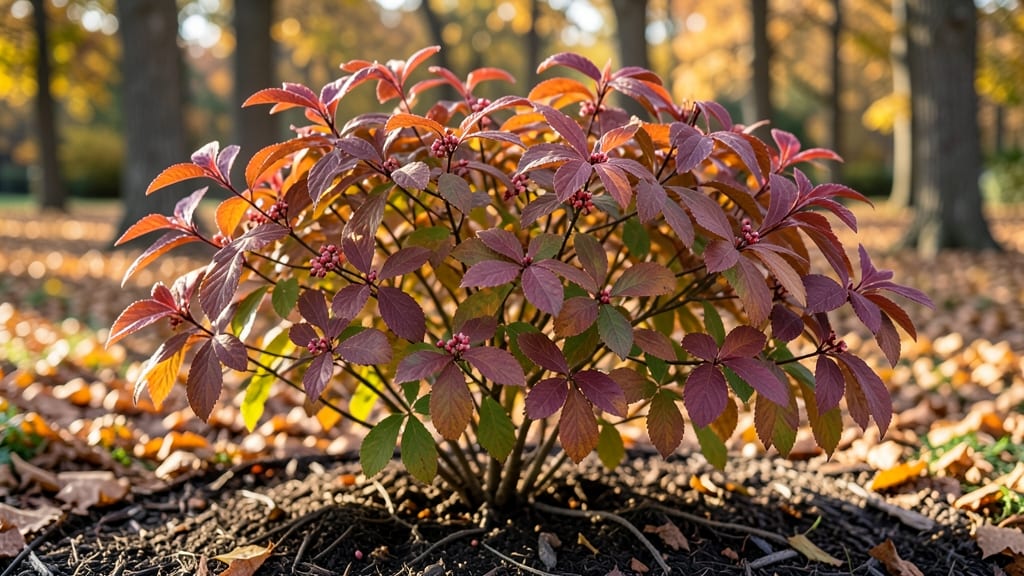
Shrubs turn red in fall when anthocyanin pigments emerge as chlorophyll fades, driven by shorter daylight and cooler temperatures. This autumn coloration boosts survival by drawing pollinators and shielding leaves from frost.
This seasonal transformation happens because shrubs stop producing chlorophyll as days grow shorter, revealing hidden pigments like carotenoids (yellows/oranges) and producing new anthocyanins (reds/purples). 🌿 The cooler nights actually trigger more anthocyanin production—think of it like nature's way of giving shrubs a protective antioxidant boost.
Some varieties, like the fiery burning bush, develop deeper reds when stressed by drought or nutrient changes, while others like sumac rely purely on temperature shifts.
What's fascinating is how this process varies by species. For example, oakleaf hydrangeas turn a stunning crimson when night temperatures dip below 50°F, while smokebush develops its signature red foliage only after multiple weeks of cooler weather.
These color changes aren't just beautiful—they're survival strategies that help shrubs last through winter.
💡 In This Article
- How Temperature and Light Affect Shrub Color Change
- Best Shrubs for Fall Red Foliage in Gardens
How temperature and light affect shrub color change
When shrubs turn red in autumn, it's all about the delicate balance between chlorophyll and anthocyanin production. As temperatures drop below 60°F and daylight shrinks to 12 hours or less, shrubs stop producing chlorophyll—the green pigment that powers photosynthesis.
This breakdown reveals hidden carotenoids (yellows/oranges) while triggering the production of anthocyanins, the red/purple pigments that dominate the scene. 🔥 The cooler nights (especially those dipping to 40-50°F) act like a biochemical switch, signaling plants to ramp up anthocyanin synthesis as a protective response.
Light plays a crucial role too—shorter days reduce photosynthesis, which limits the plant's ability to produce sugars. This "nutrient stress" forces shrubs to redirect energy toward anthocyanins, which act as antioxidants, protecting leaves from frost damage and UV radiation.
For example, sumac leaves develop fiery reds when night temperatures stay below 50°F for 3-4 weeks, while barberry responds more dramatically to sudden temperature swings between warm days and cold nights. The result? A stunning visual display that's as functional as it is beautiful.
What most people don't realize is how precise these triggers are. A single warm spell above 70°F can delay or dull the color change in some shrubs, while consistent cool nights (like those in USDA Zones 5-7) accelerate pigment development.
This is why northern gardens often see more vibrant autumn colors than southern ones—cooler climates provide the ideal temperature cues. 💫 The process also varies by species: deciduous shrubs like burning bush produce more anthocyanins than evergreens, which rely on different survival strategies.
Here's what's actually happening at the cellular level: Anthocyanins form in the vacuoles of leaf cells when sugars accumulate but photosynthesis slows. These pigments absorb harmful UV light and stabilize cell membranes during freezing temperatures.
In shrubs like oakleaf hydrangea, the red hues deepen when night temperatures drop below 45°F for extended periods—a perfect example of how nature fine-tunes survival mechanisms through color.
The timing of this change is also fascinating. Most shrubs begin producing anthocyanins 4-6 weeks before leaf drop, when chlorophyll levels fall below 20% of summer concentrations. This creates the layered colors we see—greens fading to yellows, then oranges, and finally reds as anthocyanins take over.
The intensity of the red depends on both temperature and the shrub's genetic makeup; some varieties, like smokebush, can maintain vibrant foliage for 6-8 weeks if conditions stay cool.
For gardeners, understanding this process means you can extend the show by choosing shrubs that thrive in your climate. For instance, winterberry holly needs consistent cold nights to develop its signature red berries, while coralberry responds better to gradual temperature drops.
Planting these strategically—with sun-loving varieties in full light and moisture-tolerant ones in shaded areas—can create a year-round display of autumn colors. ✨