
Shrubs
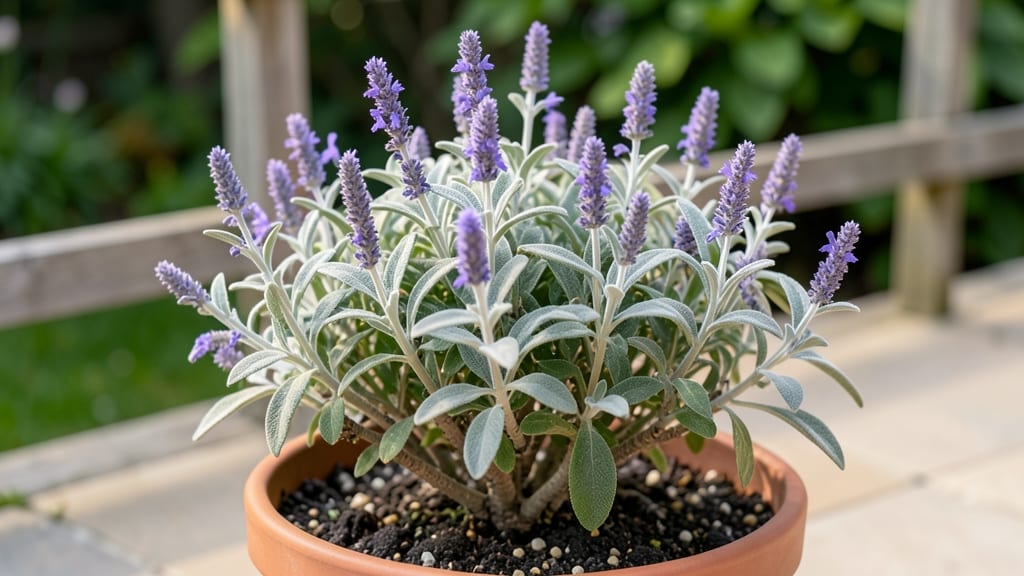
A flowering sage shrub produces delicate, often fragrant blooms in purple, blue, or white hues, usually appearing in late spring through summer. To keep them blooming consistently, prune right after flowers fade, plant in full sun with well-draining soil, and water moderately. Popular ornamental varieties include Salvia nemorosa and Salvia officinalis.
Flowering sage shrubs are prized for their vibrant blooms that attract pollinators like bees and butterflies. 🌸 The key to their beauty lies in proper care—these plants thrive when given at least 6-8 hours of direct sunlight daily and soil that drains quickly to prevent root rot.
Unlike culinary sage, which focuses on leaf production, ornamental varieties prioritize flowering cycles, so deadheading spent blooms encourages new growth. I've seen Salvia nemorosa produce stunning purple spikes that last for weeks with minimal effort, making it a favorite for low-maintenance gardens.
What sets flowering sage apart is its adaptability—many varieties tolerate drought once established, but they reward consistent care with prolonged blooming seasons. For example, Salvia microphylla often flowers intermittently throughout the year in mild climates, while Salvia nemorosa typically peaks in late spring.
The secret to year-round interest? A light spring pruning to shape the plant and remove dead wood, followed by a more aggressive trim after summer blooms fade to promote fresh growth.
💡 In This Article
- How to Identify Sage Flowering Shrubs by Key Traits
- Year-Round Sage Bloom Care Guide: Pruning, Soil, and Light
How to identify sage flowering shrubs by key traits
Flowering sage shrubs stand out from their culinary cousins with their distinctive bloom structures and leaf arrangements. The flowers grow in dense, vertical spikes that can reach 12-24 inches tall, depending on the variety.
For example, Salvia nemorosa produces lavender-blue flower spikes that attract hummingbirds, while Salvia officinalis features smaller, purple or white blooms with a more delicate appearance. These spikes emerge from the top of square stems, which are a dead giveaway—unlike round stems found in many other herbs.
The leaves themselves offer clues too. Ornamental flowering sages often have narrower, more elongated leaves (about 1-3 inches long) compared to culinary sage's broader, wrinkled foliage. The texture is typically slightly fuzzy on the underside, adding to their ornamental appeal.
One key difference is the bloom timing: While culinary sage focuses on leaf production year-round, flowering varieties prioritize late spring to summer blooms, though some like Salvia microphylla may produce sporadic flowers in fall or winter.
What truly sets flowering sages apart is their fragrance profile. Many ornamental varieties emit a subtle, minty-sweet aroma when blooming, especially in the morning.
This scent is most pronounced in Salvia nemorosa, which releases its fragrance to attract pollinators. 🌿 The flowers themselves often have two-lipped corollas—a botanical term for their distinctive shape—where the upper lip is flat and the lower lip is three-lobed, creating a striking visual contrast against the foliage.
Seasonal observation is crucial for identification. Most flowering sages follow a spring-to-summer bloom cycle, with Salvia nemorosa typically peaking in May-June and Salvia officinalis extending into July-August. However, varieties like Salvia microphylla may produce intermittent blooms throughout the year in warmer climates.
The key is to look for new flower spikes emerging from the center—this indicates active growth and potential for prolonged flowering.
For gardeners, distinguishing between varieties becomes easier with practice. Salvia nemorosa often forms clumping growth habits with woody stems, while Salvia officinalis tends to be more upright and bushy.
The color intensity also varies—Salvia nemorosa typically has brighter, more vibrant blooms, whereas Salvia officinalis often features softer pastel shades. Paying attention to these details helps you select the perfect variety for your garden's color palette and bloom timing.
One pro tip: Examine the seed pods after flowering. Flowering sages develop small, oval seed capsules that turn brown as they mature. These pods are a clear sign you're dealing with an ornamental variety, as culinary sage rarely produces noticeable seed structures.
This trait is especially useful for identifying Salvia microphylla, which often blooms sporadically but leaves behind these telltale pods.