
Shrubs
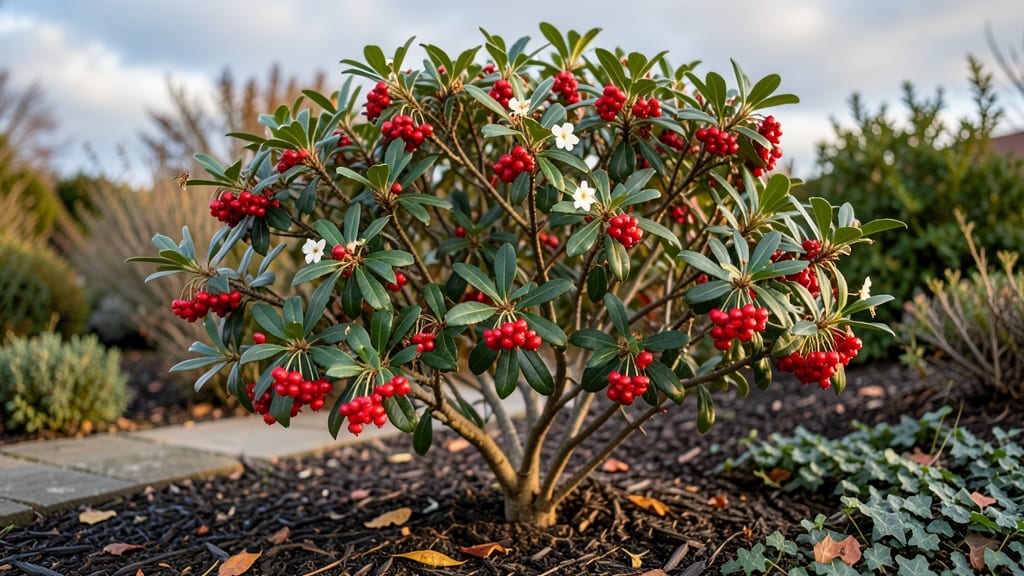
Red bushes and shrubs transform your garden into a year-round jewel box of color. 🌿 I learned this the hard way—my first attempt used only green plants, and the winter months left the space feeling dull.
But once I added fiery red foliage and blooms like Coralberry or Dwarf Fothergilla, the garden became a living masterpiece that thrives in every season. These plants aren’t just pretty—they’re multi-purpose. Use them to create privacy screens, accentuate entryways, or frame pathways.
The deep reds of Oakleaf Hydrangea pair beautifully with silvery foliage like lamb’s ear, while fragrant blooms like Abelia add a sensory dimension. Even in winter, plants like Winter Gem Boxwood keep the color show going with their burgundy leaves.
The secret to keeping them vibrant? Consistent moisture and occasional pruning to encourage dense growth. Most red-leaved varieties handle pruning well, so you can shape them to fit your design vision. Just avoid heavy pruning in late summer—new growth needs time to harden off before winter.
Perfect for cottage gardens, modern landscapes, or even small urban spaces. Let’s bring that bold, layered look to your yard—without the guesswork.
📚 In This Guide
- What you need
- Instructions
- Tips and common mistakes
- Wrapping up and next steps
What you need
- ● Red shrubs or bushes: Choose from 3–5 mature plants (e.g., Cotoneaster, Barberry, Hydrangea, or Smokebush). Opt for 3–5 ft tall, depending on desired height.
- ● High-quality potting soil: 2–3 bags (1–2 cubic feet each) for planting holes.
- ● Organic compost: 1 bag (to enrich soil and improve drainage).
- ● Slow-release fertilizer: 1–2 lbs (e.g., 10-10-10 or organic options like fish emulsion).
- ● Mulch (pine bark or shredded leaves): 2–3 cubic feet (to retain moisture and suppress weeds).
- ● Garden shovel or spade: 1 (for digging planting holes).
- ● Hand trowel: 1 (for fine adjustments and transplanting).
- ● Pruning shears: 1 pair (for shaping and post-planting trimming).
- ● Garden hose or watering can: 1 (with a spray nozzle for gentle watering).
- ● Measuring tape: 1 (to space plants 3–6 ft apart, depending on variety).
- ● Gloves (gardening or work gloves): 1 pair (to protect hands from thorns or rough bark).
- ● Epsom salt: 1 small container (for magnesium boost, especially for hydrangeas).
- ● Plant stakes or cages: 4–6 (to support taller shrubs like Smokebush).
- ● Soil pH tester: 1 (to check acidity/alkalinity, critical for hydrangeas).
- ● Drip irrigation system: 1 (for low-maintenance watering, especially in hot climates).
- ● Seasonal fragrance boosters: Citrus peels or lavender (composted) to enhance scent.
How to design a stunning red shrub privacy screen
Here's my go-to approach for creating a bold, fragrant hedge that thrives year-round.
🌿 Step 1: Select Complementary Red Shrub Varieties
Choose three shrubs with different growth habits and seasonal interest. I typically pair a tall upright like Coralberry (Symphoricarpos orbiculatus) with its dramatic red berries, a mid-height like Dart's Red Ilex (Ilex crenata) for glossy foliage, and a spreading option like Red Twig Dogwood (Cornus sericea) for winter color. Each plant should have distinct textures and fragrance notes—like the sweet honeysuckle scent of Spicebush (Lindera benzoin).
Space them strategically: plant the tallest at the back, mid-height in the middle, and lowest at the front. This creates visual depth and ensures no gaps as they mature. I always check mature heights on tags—some shrubs like Dart's Red Ilex stay under 4 feet while others like Coralberry reach 6 feet.
✂️ Step 2: Prepare Planting Sites for Optimal Growth
Dig holes twice as wide as each root ball but only as deep. This prevents soil compaction around roots. I mix the excavated soil with 2 inches of compost and a handful of slow-release fertilizer (like 10-10-10) to give them a nutrient boost. For 4 plants, you'll need about 1 cubic yard of amended soil total.
Place each shrub so the top of the root ball sits 1 inch above ground level. This prevents waterlogging and stem rot. Tap the soil gently around the roots to eliminate air pockets, then water deeply until the soil is saturated 12 inches down. You'll know it's right when water pools briefly on the surface before draining away.
☀️ Step 3: Layer for Seasonal Color and Texture
Arrange plants in odd-numbered groupings (3 or 5) for natural balance. I stagger them by 18-24 inches apart to allow airflow and future growth. The Coralberry at the back gets 6 feet between plants, while the Dart's Red Ilex in front gets 3 feet. This creates a dense screen faster.
Add mulch (2-3 inches of shredded bark) around each plant, keeping it 6 inches away from stems to prevent rot. The mulch should be dark brown—lighter mulches fade and look unnatural against red foliage. Water immediately after planting to settle everything in place.
💧 Step 4: Maintain Through the Seasons
Water deeply once a week during the first growing season, aiming for 1-1.5 inches of water per plant. You'll see new growth within 4-6 weeks—that's your signal they're establishing roots. After the first year, most red shrubs are drought-tolerant, but Dart's Red Ilex prefers consistently moist soil.
Prune in late winter (before new growth) to shape and encourage bushiness. I cut back one-third of the oldest stems each year to stimulate fresh growth. For Coralberry, I remove dead stems at the base, while for Red Twig Dogwood, I trim back last year's red stems to make room for new ones.
🌱 Step 5: Enhance With Fragrant Accents
Weave in fragrant companions like Winter Daphnes (Daphne odora) or Sweet Box (Sarcococca confusa) at the base for year-round scent. These thrive in the dappled shade created by the taller shrubs. I plant them 12-18 inches away from the main shrubs to avoid root competition.
In fall, add evergreen ground cover like Creeping Juniper (Juniperus horizontalis 'Blue Rug') to tie everything together. The blue-green foliage contrasts beautifully with the red stems and berries. This layered approach ensures your privacy screen stays vibrant and fragrant every season.
Tips & tricks for creating a vibrant red shrub privacy screen
Here's what I've learned from years of perfecting this fragrant, seasonal privacy solution.
Plant Selection Strategy: When choosing your red shrubs, prioritize plants with complementary seasonal features. The Coralberry provides stunning winter berries, while Dart's Red Ilex offers year-round glossy foliage. I always verify mature heights on plant tags—this prevents overcrowding as they grow. For example, the Coralberry reaching 6 feet needs more space than the 4-foot Dart's Red Ilex. This careful layering creates visual depth and ensures no gaps appear as plants mature.
Soil Preparation Insight: The key to healthy roots lies in proper soil preparation. When you're mixing 2 inches of compost with the excavated soil, don't skimp on the organic matter—this improves drainage and nutrient availability. For 4 plants, that 1 cubic yard of amended soil makes all the difference in establishing strong root systems. I also recommend adding a handful of slow-release fertilizer (like 10-10-10) to give them a nutrient boost without risking over-fertilization.
Pruning Technique: Late winter pruning is your opportunity to shape and rejuvenate your shrubs. When you cut back one-third of the oldest stems each year, you're stimulating fresh growth from the base. For Coralberry, remove dead stems completely at the base, while Red Twig Dogwood benefits from trimming last year's red stems to make room for new vibrant growth. This annual maintenance keeps your privacy screen looking lush and encourages dense foliage production.
Seasonal Layering: The real magic happens in the layering. When you're adding 2-3 inches of dark brown mulch, keep it 6 inches away from stems to prevent rot. The mulch should be dark brown—lighter mulches fade and look unnatural against the vibrant red foliage. For year-round fragrance, I recommend planting Winter Daphnes or Sweet Box at the base, 12-18 inches away from main shrubs. These fragrant companions thrive in the dappled shade created by your taller shrubs.
Pro Tips for Red Bushes And Shrubs
- Here's what I've learned from years of perfecting this fragrant, seasonal privacy solution.
- Plant Selection Strategy: When choosing your red shrubs, prioritize plants with complementary seasonal features.
- Soil Preparation Insight: The key to healthy roots lies in proper soil preparation.
Frequently asked questions
Got questions about adding red bushes and shrubs to your landscape? Here are some of the most common ones—and their answers—to help you plan with confidence!
What are the best red shrubs for full-sun exposure?
If your yard gets plenty of sunlight, consider Cotinus coggygria (smoke bush), Viburnum dentatum (arrowwood), or Berberis thunbergii (Japanese barberry). These thrive in full sun and maintain their vibrant red hues year-round, with some offering seasonal berries or foliage changes. Just ensure they have well-drained soil!
When is the best time to plant red shrubs for maximum growth?
Plant in early spring or fall when temperatures are mild. This gives roots time to establish before extreme heat or cold. Avoid planting in summer—heat stress can stunt growth. If you’re in a cooler climate, late fall works too, but protect young plants with mulch to prevent winter damage.
Can I mix red shrubs with other colors for a layered look?
Pair red shrubs like Hydrangea paniculata (limelight) or Weigela florida with purples, silvers, or greens for a stunning contrast. For example, plant Heuchera (coral bells) nearby for a pop of burgundy or Lavender for a soft, fragrant backdrop. Layer heights—tall shrubs in back, mid-size in the middle, and ground covers up front.
How do I prevent pests or diseases in red shrubs?
Most red shrubs are low-maintenance, but watch for aphids, spider mites, or fungal issues like powdery mildew. Improve airflow by spacing plants properly, water at the base (not leaves), and prune regularly to remove dead growth. For pests, use neem oil or insecticidal soap. If mildew appears, apply a fungicide or boost humidity with mulch.
What are some low-maintenance red shrub alternatives?
If you want color without the upkeep, try:
- Itea virginica (Virginia sweetspire) – Red fall foliage + fragrant flowers.
- Callicarpa bodinieri (Beautyberry) – Purple berries on red stems (great for wildlife!).
- Physocarpus opulifolius (Ninebark) – Drought-tolerant with burgundy leaves.
Wrapping up and next steps
Transforming your outdoor space with red bushes and shrubs isn’t just about privacy—it’s about creating a vibrant, fragrant haven that evolves with the seasons! 🌸 From bold Hydrangeas to delicate Azaleas, these plants offer year-round beauty and natural fragrance, making them a standout choice for any garden.
Whether you’re a seasoned gardener or just starting, the key is selecting the right varieties for your climate and space.
Ready to take the next step? Start small: pick one or two shrubs to test your soil and sunlight conditions, then expand your garden with confidence. Your future self—and your neighbors—will thank you for the lush, fragrant privacy screen you’re creating! 🌿