
Shrubs
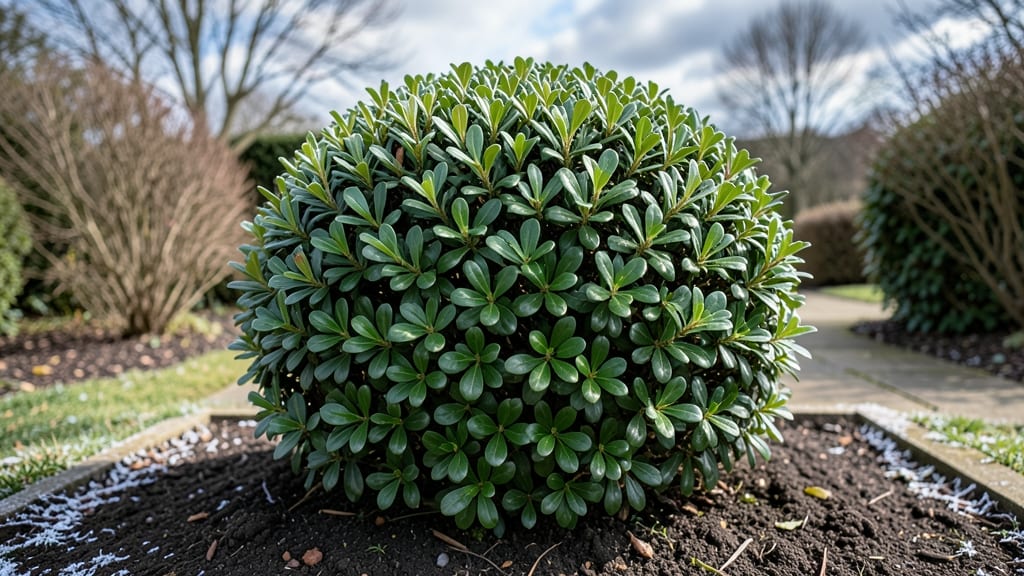
Late-winter pruning transforms the Winter Gem boxwood shrub from a scraggly mess into a thorn-free, dense hedge by spring. 🌿 The secret lies in timing—pruning after the coldest snap but before new growth pushes, when the plant’s energy shifts from survival to renewal.
I’ve learned the hard way that pruning too early risks frost damage, while waiting too long means fighting back stubborn, woody growth.
This boxwood thrives in full sun to partial shade and tolerates zone 5-8 winters, making it a standout for year-round structure. The key is sharp shears, clean cuts, and shaping while the branches are still pliable.
You’ll end up with a shrub so compact and lush, neighbors will ask how you do it—no secret, just timing and technique.
Water deeply after pruning to help the plant recover, and mulch to protect roots from late frosts. The result? A hedge that stays green even in winter, with glossy leaves that catch the light like polished jade.
It’s the kind of shrub that makes your landscape look intentional, even when you’re just maintaining.
Works for formal hedges, privacy screens, or as a bold foundation plant. Here’s exactly how to prune for that showroom-quality look.
📚 In This Guide
- What you need
- Instructions
- Tips and common mistakes
- Wrapping up and next steps
What you need
- ● Hand pruners – Sharp, bypass-style pruners (for clean cuts on small stems). Size: 6–8 inches.
- ● Loppers – For thicker branches (if your shrub is mature). Size: 18–24 inches.
- ● Disinfectant – 70% isopropyl alcohol or a gardening disinfectant spray (to prevent disease spread).
- ● Gloves – Garden gloves (nitrile or leather) to protect from thorns and sap.
- ○ Pruning shears – Optional but handy for fine-tuning small branches.
- ● Garden twine or plant ties – If staking is needed for large branches.
- ● Trash bag or bucket – For collecting pruned clippings.
- ● Pruning saw – For stubborn, woody stems (rare for young shrubs).
- ● Hose or spray bottle – To clean tools between cuts.
- ● Mulch – Shredded bark or pine straw (1–2 inches deep) to protect roots post-pruning.
- ● Fertilizer – Balanced slow-release fertilizer (10-10-10 or similar) to boost recovery.
- ● Knee pads or stool – For comfort if your shrub is tall or dense.
Step-by-step late-winter pruning for winter Gem boxwoods
Here’s how to shape your Winter Gem boxwoods for fuller growth and fewer thorns—without stressing the plant.
🌿 Step 1: Time Your Pruning for Optimal Growth
Prune your Winter Gem boxwoods in late winter, just as new growth begins but before buds fully swell. This timing—typically February to early March in most climates—encourages dense, thorn-free foliage while avoiding winter dieback. You’ll know it’s the right moment when you see tiny green buds forming along the stems.
If you wait too long, you’ll risk encouraging new growth that could be damaged by late frosts. Conversely, pruning too early in winter stresses the plant. Check your local frost dates—pruning 4-6 weeks before the last frost gives your boxwoods time to harden off again if needed.
✂️ Step 2: Gather Tools and Prepare for Clean Cuts
Use sharp, clean pruning shears (sterilized with rubbing alcohol) to make precise cuts at a 45-degree angle, just above a leaf node or bud. Dull blades tear stems, leaving jagged edges that invite disease. I also keep a small pair of hand pruners on hand for finer adjustments—boxwoods respond well to careful shaping.
Lay out a drop cloth or tarp beneath your shrub to catch clippings. Winter Gem boxwoods produce dense growth, so you’ll have plenty of trimmings to collect. Avoid raking leaves or debris onto the soil afterward—this can smother the base and encourage fungal issues.
🌱 Step 3: Thin Out Interior Branches for Airflow
Focus first on removing 1/3 of the oldest, thickest stems from the center of the shrub. These branches crowd out new growth and create a thorny, tangled mess. Cut them back to the base or to a strong outward-facing bud. You’ll notice the interior opens up immediately, letting light and air circulate.
Next, trim back any crossing or rubbing branches—these create weak points where thorns form. Step back occasionally to assess the shape. Winter Gem boxwoods handle pruning well, but avoid over-thinning. Aim for a rounded, natural silhouette rather than a geometric shape. This encourages fuller regrowth.
☀️ Step 4: Shape the Outer Foliage for Fullness
Lightly trim the outer edges of the shrub to maintain its shape, cutting just enough to remove any straggly or leggy growth. Focus on softening the edges rather than creating sharp lines—Winter Gem boxwoods thrive when pruned to encourage bushiness. You’ll see new shoots emerge from the sides within 4-6 weeks of pruning.
Pay special attention to any thorny areas—these often form where branches are too crowded or where light can’t penetrate. By opening up the center and thinning out dense spots, you’ll reduce thorn formation naturally. Avoid heavy pruning on the outer layer, as this can expose the shrub to winter burn.
💧 Step 5: Water and Mulch After Pruning
Give your boxwoods a deep watering right after pruning to help them recover. The roots will need moisture to support new growth, especially if the winter was dry. Water slowly at the base, avoiding the foliage to prevent fungal issues. You’ll know it’s enough when the soil is 6 inches deep and evenly moist.
Apply a 2-3 inch layer of mulch around the base, keeping it 3-4 inches away from the trunk to prevent rot. Use shredded bark or pine needles—these retain moisture and regulate soil temperature. Mulching now protects the roots from temperature swings and keeps weeds at bay, which compete for nutrients.
Tips & tricks for perfect late-winter boxwood pruning
These simple strategies will help you transform your Winter Gem boxwoods into a lush, thorn-free beauty with minimal effort.
Timing is Everything: That February-to-early-March window is your golden opportunity—prune when you spot those tiny green buds forming. I learned this the hard way after seeing new growth get frostbitten when I pruned too late. Use your local frost dates as a guide: aim for 4-6 weeks before the last frost to give your shrub time to recover. If you're unsure, check the buds daily for that first hint of green.
The Right Tools Make All the Difference: Don't skimp on your pruning shears—dull blades tear stems and create entry points for disease. I sterilize mine with rubbing alcohol between cuts, especially when working with multiple shrubs. For those tricky interior branches, grab your hand pruners—they give you the precision needed to make clean cuts at a 45-degree angle just above a leaf node. A drop cloth under your shrub will save you hours of cleanup later.
Thinning Creates Magic: That 1/3 removal of oldest stems from the center might seem drastic, but trust me—it opens up airflow and sunlight, which are key to reducing thorns. Focus on removing the thickest, woodiest branches first. When you step back to assess your work, you should see light penetrating the interior. This isn't about drastic transformation; it's about encouraging that natural, rounded shape that Winter Gem boxwoods love.
Post-Pruning Care Sets You Up for Success: That deep watering isn't just about hydration—it helps your boxwood recover from the stress of pruning. Water until the soil is moist 6 inches deep, which might take longer than you expect. Then, that 2-3 inch mulch layer works double duty: it keeps roots cool in summer and warm in winter while suppressing weeds. Just keep it 3-4 inches away from the trunk to prevent rot.
Pro Tips for Winter Gem Boxwood Shrub
- These simple strategies will help you transform your Winter Gem boxwoods into a lush, thorn-free beauty with minimal ...
- Timing is Everything: That February-to-early-March window is your golden opportunity—prune when you spot those tiny g...
- The Right Tools Make All the Difference: Don't skimp on your pruning shears—dull blades tear stems and create entry p...
Frequently asked questions
Got questions about keeping your Winter Gem boxwood thriving? Here are answers to the most common ones—so you can prune with confidence and enjoy that lush, thorn-free beauty year-round!
When is the best time to prune Winter Gem boxwood for late-winter growth?
The ideal window is late February to early March—after the worst frost has passed but before new growth begins. Pruning too early can stress the plant, while waiting too long may encourage tender shoots vulnerable to cold snaps. Aim for 50–60°F days for best results.
How much can I trim off without harming the shrub?
Winter Gem boxwoods are forgiving! You can safely remove up to one-third of the plant’s height in a single pruning. For dense hedges, aim to trim back by 1/3 to 1/2 of the previous year’s growth. Avoid cutting into old wood—focus on shaping new growth for a fuller look.
Why does my Winter Gem boxwood have brown tips after pruning?
Brown tips often signal dry air, over-trimming, or winter burn. To fix it:
- Water deeply after pruning to reduce stress.
- Mulch the base with 2–3 inches of organic mulch (like shredded bark) to retain moisture.
- Avoid pruning in hot, dry weather—opt for cooler mornings.
Are there alternatives to Winter Gem for thorn-free boxwoods?
If you love Winter Gem’s traits but want options, consider:
- ‘Winter Beauty’ boxwood – Similar cold hardiness, slightly faster growth.
- ‘Green Velvet’ boxwood – Dwarf variety, great for borders (thorn-free!).
- ‘Globe’ boxwood – Compact and rounded, ideal for containers.
What should I do if my Winter Gem boxwood looks leggy or sparse?
Leggy growth usually means it’s overdue for a haircut or lacks sunlight. Try this:
- Prune back 1/3 of the tallest stems to encourage bushier growth.
- Move to a sunnier spot (6+ hours of light daily).
- Fertilize in early spring with a balanced 10-10-10 formula.
Wrapping up and next steps
The Winter Gem boxwood is a standout shrub that thrives with the right care—especially when it comes to late-winter pruning!
By following the steps outlined, you’ll encourage dense, lush growth while keeping those pesky thorns at bay. 🌿 Whether you’re a seasoned gardener or just starting, this shrub rewards patience with year-round beauty and resilience.
Ready to give your Winter Gem the attention it deserves? Grab your tools, mark your calendar for late winter, and watch it flourish! For extra inspiration, explore boxwood variety guides or connect with local gardening groups to share your progress. Happy pruning! ✂️🌟