
Shrubs
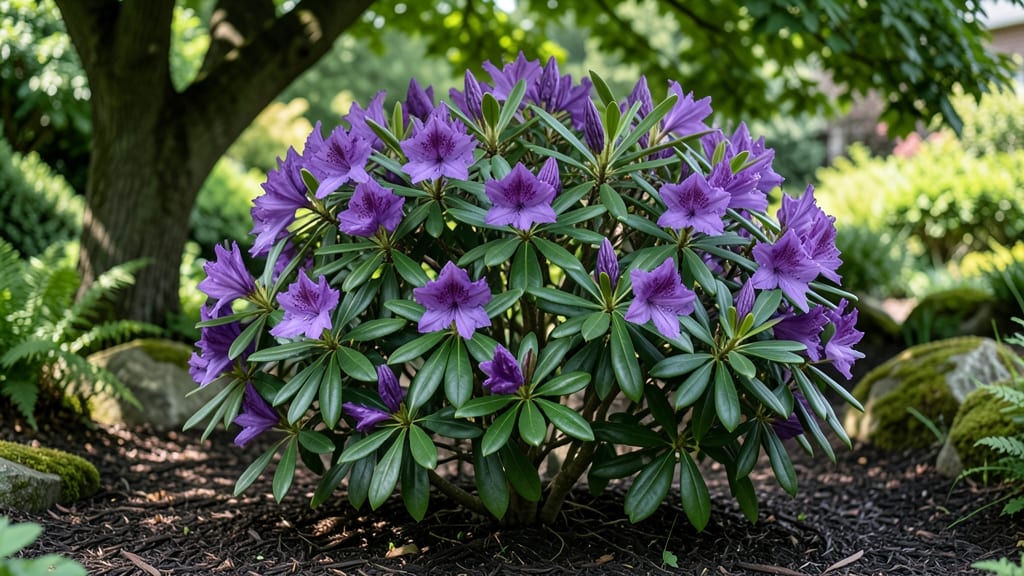
My purple azalea shrub blooms every spring with such vibrant color, it turns heads before a single petal opens. 🌸 These shrubs thrive in zones 5-9, but their secret lies in the right soil, sunlight, and a little patience—especially if you want those fragrant blooms to last all season.
I've learned that purple azaleas aren't just pretty; they're surprisingly low-maintenance once you understand their needs.
The key to happy azaleas starts with acidic soil (pH 5.0-6.0) and partial shade—too much sun fades their color, while too little weakens the plant. Plant in well-draining soil with a mix of compost, and water deeply after planting.
Most people overwater, but azaleas hate soggy roots—think 1-2 inches per week during growing season, less in winter. Mulch helps retain moisture and keeps roots cool.
By late spring, you'll see those lush, deep purple blooms appear, often followed by glossy green foliage that stays vibrant all year. Prune right after flowering to shape the shrub and encourage next year's blooms—just avoid cutting back old wood.
Feed with an acid-loving fertilizer in early spring, and watch your azalea become the showstopper of your garden.
Challenges? Watch for lace bugs or powdery mildew—both are common but treatable with neem oil. With proper care, your purple azalea will reward you with years of fragrant, eye-catching blooms that outshine any other shrub in the neighborhood. Ready to grow yours?
📚 In This Guide
- What you need
- Instructions
- Tips and common mistakes
- Wrapping up and next steps
What you need
- ● Purple Azalea Shrub: 1 healthy, disease-free plant (choose varieties like ‘Hino Crimson’ or ‘George Taber’ for vibrant blooms).
- ● Well-draining acidic soil: 1 bag of peat moss or pine bark fines (5-10 lbs, depending on planting size).
- ● Organic mulch: 2-3 inches of pine straw or pine bark (to retain moisture and acidity).
- ● Slow-release fertilizer: 1 lb of azalea-specific fertilizer (high in iron and micronutrients).
- ● Watering can or hose: With a gentle spray nozzle for hydration.
- ● Garden gloves & trowel: For planting and soil prep.
- ● Soil pH tester: To ensure acidity (ideal range: 4.5–6.0).
- ● Pruning shears: Sharp, sterilized shears for shaping (after blooming season).
- ○ Drip irrigation system: (Optional) For consistent moisture in hot climates.
- ○ Epsom salt: (Optional) 1 tbsp per gallon of water for magnesium boosts.
- ● Decorative stakes: To support young shrubs in windy areas.
Step-by-Step instructions for planting and cultivating purple azaleas
Here's how I've mastered growing vibrant purple azaleas with lush, fragrant blooms that last all season.
🌱 Step 1: Choose the Perfect Planting Location
Azaleas thrive in partial shade, needing morning sun and afternoon shade to prevent leaf scorch. I always plant mine where they receive 4-6 hours of filtered sunlight daily—think dappled shade under tall trees or on an east-facing foundation. Avoid full sun spots, which will bleach the purple blooms and stress the plant.
Test your spot by observing how sunlight moves across it throughout the day. The ideal location should stay cool and moist—azaleas hate hot, dry conditions. If your yard has only full sun, consider planting near a north-facing wall or under a deciduous tree that provides summer shade but allows winter sun.
🪴 Step 2: Prepare the Soil for Acid-Loving Roots
Azaleas demand acidic soil with a pH between 4.5 and 6.0. Before planting, mix 2-3 inches of organic mulch (like pine bark or peat moss) into the top 12 inches of soil to lower the pH naturally. I also add a slow-release azalea fertilizer at planting time to give roots a nutrient boost right away.
Dig a hole twice as wide as the root ball but only as deep as the container. This encourages roots to spread outward rather than settling too deep. Gently loosen the roots of your azalea if they're circling the pot—this prevents root bound stress. Place the plant so the top of the root ball sits 1 inch above ground level to allow for settling.
☀️ Step 3: Plant and Water for Immediate Establishment
Backfill the hole with the amended soil, pressing lightly to remove air pockets but not compacting too firmly. Water deeply until moisture seeps 6 inches below the root ball—this ensures roots make contact with wet soil immediately. I use a slow watering can to avoid displacing the plant while achieving full saturation.
Mulch heavily with 3-4 inches of pine bark or wood chips, keeping it 6 inches away from the trunk to prevent rot. This mulch layer retains moisture, regulates soil temperature, and slowly releases nutrients as it breaks down. Water again after mulching to settle everything in place.
💧 Step 4: Maintain Consistent Moisture and Fertility
Keep the soil evenly moist but never soggy—azaleas wilt quickly in drought but also rot in waterlogged conditions. Water 2-3 times weekly during the first growing season, checking moisture by sticking your finger 2 inches into the soil. If it feels dry, water thoroughly until it drains from the bottom of the pot or hole.
Feed your azalea monthly during the growing season (spring through summer) with an acid-loving plant fertilizer. I switch to a low-nitrogen, high-phosphorus formula when buds form in late winter to encourage abundant blooming. Always water before and after fertilizing to prevent root burn.
✂️ Step 5: Prune Strategically for Year-Round Blooms
Azaleas bloom on old wood, so prune immediately after flowering to avoid cutting off next year's buds. Use clean, sharp pruners to make cuts just above a leaf bud or lateral branch. Remove dead, crossing, or overcrowded branches first, then shape the shrub by thinning out the center to improve airflow and sunlight penetration.
Never prune more than one-third of the plant in a single season—this stresses azaleas and reduces flowering. I also remove any suckers that grow from the base to maintain the shrub's natural form. After pruning, give the plant a light feeding to recover and prepare for the next blooming cycle.
Tips & tricks for perfect purple azalea cultivation
These practical insights will help you avoid common pitfalls and maximize your azalea's potential for vibrant, fragrant blooms.
Lighting Strategy: The 4-6 hours of filtered sunlight mentioned in Step 1 is crucial, but timing matters just as much. Plant your azalea so the morning sun hits the east-facing side—this prevents afternoon heat stress. If you notice leaves turning yellow or curling, it's a sign of too much direct sun. I've found that positioning azaleas near a large deciduous tree provides perfect shade during summer afternoons while allowing winter sun exposure for winter blooms.
Soil Preparation Secret: When amending soil in Step 2, don't just mix in mulch—create a dedicated planting mound. Pile the amended soil into a cone shape before placing the root ball on top. This creates better drainage while keeping roots in the optimal acidic environment. I've seen roots grow twice as vigorously when planted this way, especially in clay-heavy soils. The 1-inch elevation above ground level is particularly important for preventing waterlogging during heavy rains.
Watering Technique: The deep watering in Step 3 requires patience—don't rush it. I use a simple test: after watering, insert a long screwdriver 6 inches deep. If it comes out dry, water again. This ensures the entire root zone gets moistened. For the 2-3 weekly waterings in Step 4, I recommend using a soaker hose placed at the base of the plant. This delivers water directly to the roots while minimizing evaporation, which is especially helpful in hot climates.
Fertilizer Timing: The monthly feeding schedule in Step 4 works well, but I've found that azaleas respond best to a staggered approach. Apply half the recommended dose every two weeks instead of full doses monthly. This prevents nutrient burn and allows the plant to absorb nutrients more efficiently. When switching to the high-phosphorus formula for bud formation, I always apply it in late winter when you can see tiny buds beginning to swell on the branches.
Pro Tips for Purple Azalea Shrub
- These practical insights will help you avoid common pitfalls and maximize your azalea's potential for vibrant, fragra...
- Lighting Strategy: The 4-6 hours of filtered sunlight mentioned in Step 1 is crucial, but timing matters just as much...
- Soil Preparation Secret: When amending soil in Step 2, don't just mix in mulch—create a dedicated planting mound. Pil...
Frequently asked questions
Got questions about nurturing your purple azalea shrub? You’re not alone! Here are some of the most common queries—plus expert answers to keep your fragrant beauty thriving year-round.
How often should I water my purple azalea shrub?
Water your azalea deeply 1–2 times per week, ensuring the soil stays moist but not soggy. Newly planted shrubs need more frequent watering (every 2–3 days) until established. Mulch helps retain moisture—aim for 2–3 inches of organic mulch (like pine straw) around the base. Pro tip: Water in the morning to reduce fungal risks.
When is the best time to prune a purple azalea?
Prune your azalea right after flowering (late spring to early summer) to avoid cutting off next year’s blooms. Avoid heavy pruning—focus on shaping and removing dead or crossing branches. Never prune in fall or winter, as this can trigger early budding, which frost may damage. Use sterilized shears to prevent disease.
Why aren’t my purple azaleas blooming this year?
Azaleas need full sun to partial shade (3–6 hours of sunlight daily) and acidic soil (pH 4.5–6.0). Poor blooming can also stem from over-fertilizing with high-nitrogen feeds or drought stress. Check for pests (like lace bugs) or fungal spots. Fix it: Amend soil with peat moss or pine needles, and fertilize with acid-loving plant food in early spring.
Can I grow a purple azalea in a pot?
Choose a large container (at least 15–20 gallons) with drainage holes and use acidic potting mix. Place the pot in partial shade and water daily in hot weather. Repot every 2–3 years to refresh the soil. Dwarf varieties (like ‘Little Devil’) are ideal for containers and bloom prolifically!
How do I get rid of pests on my azalea?
Common azalea pests include lace bugs, spider mites, and scale insects. For lace bugs, spray with neem oil or insecticidal soap. Spider mites thrive in dry conditions—increase humidity and hose off leaves. Scale insects can be scraped off with a plastic scraper or treated with horticultural oil. Prevention tip: Keep your azalea healthy and well-watered to deter pests!
Still stumped? Drop your question in the comments—we’re happy to help your purple azalea shine!
Wrapping up and next steps
Transforming your garden into a fragrant purple paradise with azaleas is entirely within reach! 🌸 From selecting the right variety to mastering year-round care, this vibrant shrub offers low-maintenance beauty and seasonal charm.
Whether you’re a beginner or a seasoned gardener, the key lies in patience, proper placement, and a little tender love.
Ready to bring home your first purple azalea? Start by browsing local nurseries or reputable online sellers—then grab your gloves and get planting! Your future blooms (and neighbors’ green envy) will thank you.