
Pruning
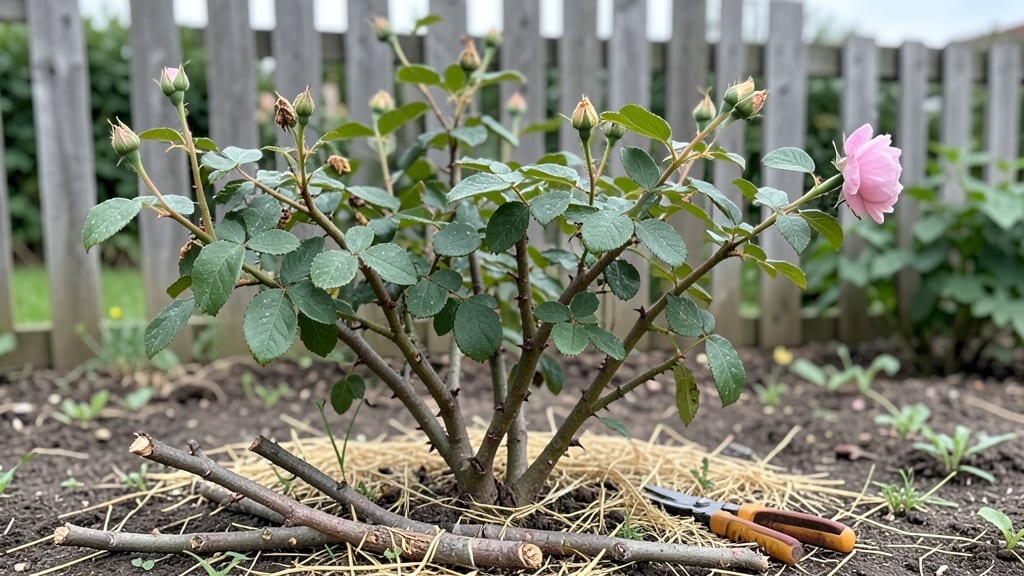
Pruning shrub roses transforms them from scraggly bushes into neighborhood showstoppers—and I’ve learned the hard way that timing and technique make all the difference. My first attempt left a messier bush than before, but now my roses bloom like crazy every summer.
The key is understanding when to cut, where to cut, and why certain branches get the axe while others stay untouched.
You’ll need just three tools: sharp pruners, loppers for thicker stems, and a bucket for clippings. The real work happens in late winter or early spring, when the plant is dormant but ready to burst with new growth.
Start by removing dead or crossing branches first—they’re the easiest to spot and the biggest culprits for crowding. Next, shape the bush by cutting back last year’s growth by about one-third, always making clean cuts just above an outward-facing bud.
By summer, you’ll see lush, velvety foliage and clusters of blooms where there was once chaos. The roses stay healthier, grow more vigorously, and put their energy into flowers instead of tangled stems.
Even hybrid teas and floribundas respond well to this method, though shrub roses especially thrive with the extra air circulation. The payoff? A bush that looks like it belongs in a botanical garden, not just your backyard.
This works for any shrub rose variety, from compact Knock Outs to towering climbers. The same principles apply whether you’re rejuvenating an old plant or maintaining a young one. Once you master the basics, you’ll wonder why you ever hesitated—your roses will thank you with nonstop blooms all season long.
📚 In This Guide
- What you need
- Instructions
- Tips and common mistakes
- Wrapping up and next steps
What you need
- ● Bypass pruners – Sharp, clean bypass pruners (4–6" blades) for cutting stems up to ½" thick. Must be sterilized with rubbing alcohol before and after use to prevent disease.
- ● Loppers – Heavy-duty bypass loppers (8–12" blades) for thicker branches (½"–1.5" diameter). Look for ergonomic handles to reduce strain.
- ● Pruning saw – A curved-tooth pruning saw for stubborn, woody stems over 1.5" thick. Choose a compact, lightweight model for ease.
- ● Gloves – Leather or heavy-duty gardening gloves to protect against thorns and scrapes.
- ● Disinfectant – Rubbing alcohol (70%+ isopropyl) or a commercial pruning disinfectant to sterilize tools between cuts.
- ● Rag or paper towels – For wiping tools and hands clean.
- ○ Pruning sealant – Optional for sealing large cuts (over ½") to prevent disease entry.
- ● Ladder or stool – If your shrub is tall (6+ feet), a stable, 3-sided ladder or sturdy stool helps reach safely.
- ● Trash bags or bucket – For collecting pruned branches and debris.
- ● Sharpener – A file or sharpening stone to maintain tool edges between pruning sessions.
Instructions for pruning shrub roses for abundant, disease-free growth
Here’s how I prune shrub roses to keep them thriving—no guesswork, just proven techniques.
Gather Your Tools and Assess the Plant
Start by sharpening your pruning shears and disinfecting them with rubbing alcohol—dull or dirty blades tear stems and spread disease. I use clean, sterilized tools every time because a single cut can introduce fungal spores that weaken the plant over time.
Examine the shrub rose for dead, diseased, or crossing branches. Look for stems that are brown inside when cut open, or those rubbing against others—these create wounds where pests and infections enter. Mark these with a clothespin or flagging tape so you don’t miss them later.
Remove Dead, Diseased, and Problematic Growth
Cut out any dead or diseased wood first—these are the easiest to spot. Make your cuts at a 45-degree angle, about ¼ inch above a bud or outward-facing leaf. This angle helps rainwater run off instead of pooling at the cut. If a branch is completely dead, remove it all the way back to the main stem or ground.
Next, tackle crossing or rubbing branches. These compete for energy and create entry points for disease. When two branches cross, remove the weaker one—the one with smaller diameter or fewer buds. Always cut just above an outward-facing bud to encourage new growth in the right direction.
Thin Out Overcrowded Branches for Better Airflow
Step back and look at the shrub’s structure. Healthy shrub roses have an open, vase-like shape with branches spaced evenly. Remove one-third of the oldest wood each year to prevent overcrowding. Older branches produce fewer blooms and take up space that younger stems could use.
Focus on branches growing inward or downward—they block sunlight and air circulation, which leads to mildew. Cut these back to the main stem or a strong outward-facing bud. You’ll see a difference immediately: more light reaches the center, and new growth will fill in gaps naturally.
Shape the Shrub for Future Growth and Blooms
Now it’s time to shape the rose. Step back and visualize the plant’s natural form—shrub roses typically grow in a loose, rounded shape. Prune to encourage this by cutting back branches that grow too long or leggy. Aim to leave 3-5 strong buds on each remaining stem; these will develop into new growth and flowers.
For shrub roses, avoid heavy pruning at the base—unlike hybrid teas, they bloom on both old and new wood. Cut just above a bud that faces the direction you want the branch to grow. This ensures the plant stays balanced and produces blooms throughout the season.
Clean Up and Monitor for Recovery
After pruning, rake up all clippings and dispose of them in the trash—not the compost. Diseased or infested branches can harbor pests and spread problems to other plants. Sterilize your tools again with rubbing alcohol to prevent cross-contamination.
Water the base of the shrub deeply right after pruning to help it recover. You’ll notice fresh, vibrant green growth within 2-3 weeks—that’s your sign the plant is healing. Keep an eye on the cuts for signs of infection, like oozing sap or dark spots, and treat with fungicide if needed.
Tips & tricks for pruning shrub roses
These essential tips will help you prune like a pro and keep your shrub roses thriving for years to come.
The Cutting Angle Matters: When making your 45-degree cuts in Step 2, imagine slicing off the top of a pencil—this creates a sloped surface that directs rainwater away from the wound. The quarter-inch clearance above a bud or leaf ensures new growth emerges from the right spot. I’ve seen too many pruning mistakes where cuts were too close to buds, leaving ugly stubs that never produced new flowers.
Bud Selection is Everything: In Steps 2 and 3, always cut just above an outward-facing bud. This simple technique encourages growth in the direction you want—toward the outside of the plant where it gets maximum sunlight. I learned this the hard way when I pruned too close to buds growing inward, which led to dense, shaded centers prone to mildew.
Timing is Critical for Recovery: The 2-3 week recovery period mentioned in Step 5 is when your rose is most vulnerable. Avoid heavy pruning during extreme heat or cold—spring is ideal when new growth is about to begin. After pruning, I always check the weather forecast and delay if frost is predicted within those first two weeks.
Tool Maintenance Prevents Problems: Sterilizing your tools between cuts in Step 1 isn't just about cleanliness—it's about survival. I keep a small bottle of rubbing alcohol in my gardening toolkit and wipe down blades after every 3-5 cuts, especially when working with diseased branches. This single habit has saved my roses from multiple fungal outbreaks over the years.
Pro Tips for Pruning Shrub Roses
- These essential tips will help you prune like a pro and keep your shrub roses thriving for years to come.
- The Cutting Angle Matters: When making your 45-degree cuts in Step 2, imagine slicing off the top of a pencil—this creates a sloped surface that directs rainwater away from the wound.
- Bud Selection is Everything: In Steps 2 and 3, always cut just above an outward-facing bud.
Frequently asked questions
Got questions about pruning shrub roses? You’re not alone! Here are some of the most common concerns—and expert answers—to help you tackle the task with confidence.
When is the best time to prune shrub roses?
Prune once a year, ideally in late winter or early spring (before new growth starts). This timing ensures you remove dead wood while encouraging vibrant blooms. Avoid pruning in fall—it can stimulate tender growth that won’t survive winter. For mild climates, a light trim after blooming is optional but helps maintain shape.
How much should I cut back my shrub roses?
For most shrub roses, aim to reduce stems by 1/3 to 1/2 of their height. Cut just above an outward-facing bud (about 1/4 inch above) to promote healthy growth. Over-pruning can stress the plant, while under-pruning may lead to crowded, weak stems. Think of it as a haircut—not a buzz cut!
What if my rose bush isn’t blooming after pruning?
Lack of blooms could stem from over-pruning, poor nutrition, or disease. Check for dead or diseased wood (brown, mushy, or blackened stems) and remove it immediately. Fertilize with rose-specific food in spring, and ensure the plant gets 6+ hours of sunlight daily. Patience is key—some varieties take 2–3 years to rebound fully.
Can I prune shrub roses in containers differently?
Container-grown shrub roses follow the same rules, but watch for root-bound stress. Prune lightly if roots are circling or the plant looks crowded. Since containers dry out faster, water deeply after pruning and mulch around the base to retain moisture. Dwarf varieties may only need minimal trimming—follow the care tag’s guidelines!
Do I need to prune shrub roses in winter?
No—avoid winter pruning unless you’re removing only dead or broken branches. Cold snaps can stress fresh cuts, and pruning too early removes next year’s blooms. If your roses are heavily damaged by ice or snow, wait until spring thaw (when buds swell) to prune. A light cleanup in late winter is fine, but save major work for spring!
Wrapping up and next steps
Pruning your shrub roses doesn’t have to be intimidating—it’s all about timing, technique, and a little patience. 🌹 With the right tools, a clear plan, and these step-by-step tips, you’ll encourage lush blooms and healthier growth all season long.
Now that you’re armed with knowledge, grab those shears and give your roses the care they deserve!
Ready to take the next step? Start with one shrub at a time—confidence builds as you go! For extra guidance, watch a quick video tutorial or join a local gardening group to share your progress. Happy pruning!