
Pruning
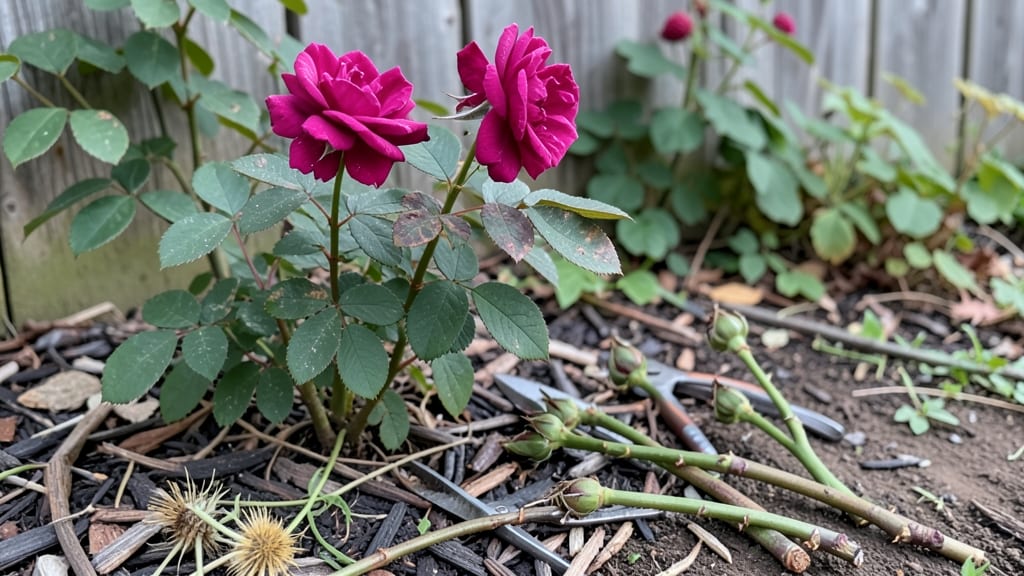
Pruning shrub rose bushes isn’t about hacking back branches—it’s about unlocking those vibrant, repeat blooms all season long. ✨ I’ve turned my once-sparse shrubs into lush, flowering powerhouses by focusing on just four strategic cuts, and the best part? You don’t need years of experience to get it right.
The secret lies in timing and technique: prune lightly in late winter to remove dead wood, then shape in early spring before new growth starts. Use sharp bypass pruners to make clean cuts just above outward-facing buds, and always sterilize tools between bushes to stop diseases from spreading.
Most people over-prune—don’t fall into that trap!
By summer’s end, you’ll see fuller canes, more buds, and blooms that last weeks longer than before. The plants stay compact, air circulates better, and pests have fewer places to hide. It’s the kind of transformation that makes neighbors ask, “How’d you do that?”
Works for any shrub rose variety—from Knock Outs to David Austins—and adapts to both small gardens and large landscapes. Let’s get those blooms going strong!
📚 In This Guide
- What you need
- Instructions
- Tips and common mistakes
- Wrapping up and next steps
What you need
- ● Bypass pruners – Sharp, clean, and disinfected (1 pair). Avoid anvil pruners—they crush stems.
- ● Loppers – For thicker branches (¼"–1" diameter). Get bypass-style (1 pair).
- ● Pruning saw – For stubborn, thick stems (1–2" diameter). A bow saw or pruning saw works best.
- ● Gloves – Heavy-duty, thorn-proof (1 pair). Leather or reinforced fabric recommended.
- ● Disinfectant – 70% isopropyl alcohol or a 10% bleach solution (1 small spray bottle or container).
- ● Rubbing alcohol wipes – For quick tool disinfection between cuts.
- ● Plant tie or twine – To secure branches post-pruning (if needed).
- ● Pruning sealant – For large cuts (1 small tube). Skip for shrub roses—it’s rarely necessary!
- ● Garden kneeler or stool – For comfort, especially for larger bushes.
- ● Trash bags – To collect pruned debris (1–2 large bags).
- ● Dry weather – Prune on a dry, calm day to avoid spreading disease.
- ● Clean workspace – Lay down cardboard or a tarp to catch debris.
- ● Know your rose type – Shrub roses (e.g., Knock Out®, Dr. Huey) bloom on new wood, so timing matters!
Instructions for pruning shrub rose bushes
Here's the straightforward method I use to keep shrub roses flowering abundantly all season—no complex techniques, just four clean cuts.
✂️ Step 1: Remove Dead, Diseased, or Weak Wood
Start by scanning the entire bush for branches that are brown, mushy, or hollow at the center—these are dead or diseased. Use sharp bypass pruners to cut these stems back to the base, making clean cuts at a 45-degree angle just above an outward-facing bud. This ensures water runs off the cut and new growth emerges in the right direction.
Don't worry about being too aggressive here. Shrub roses are remarkably resilient, and removing dead wood prevents disease from spreading to healthy stems. If a branch is completely dead, cut it all the way back—new growth will sprout from the base in spring.
✂️ Step 2: Thin Out Crowded Branches
Next, focus on the bush's overall shape. Look for branches that cross or rub against each other—they'll eventually tear and create entry points for pests. Select the weaker of the two crossing stems and cut it back to the base. Aim to create an open center that allows air to circulate freely, which reduces humidity and fungal risks.
I like to step back every few cuts to visualize the bush's structure. You want a vase-like shape with the widest part at the top and narrower base. This shape supports strong blooms and makes future pruning easier. Never remove more than one-third of the bush's total stems in a single pruning session—this can shock the plant.
✂️ Step 3: Shorten Last Year's Flowering Stems
Now for the blooms: find the stems that produced flowers last season and cut them back by about one-third of their length. Make your cut just above an outward-facing bud, which will encourage new growth in the right direction. This rejuvenates the bush and stimulates fresh flowering stems for this season.
Here's the thing—shrub roses bloom on both old and new wood, so you're not sacrificing future flowers. In fact, this cut ensures you'll have even more blooms later. If a stem is completely spent (no leaves, just bare wood), cut it back to a healthy bud or the base. You'll know you're doing it right when you see fresh green buds forming within a few weeks.
✂️ Step 4: Shape for Airflow and Sunlight
Finally, refine the bush's shape by trimming any branches that are growing inward or blocking sunlight from reaching the center. Cut these back to an outward-facing bud to redirect growth. This final shaping step is where you'll see the most dramatic improvement in your bush's health and flowering potential.
Step back one more time and admire your work. The goal is a bush that looks balanced and inviting. Avoid cutting into old wood (more than 3 years old)—it won't regrow well. If you're unsure about a cut, err on the side of leaving it. Shrub roses are forgiving, and you can always do a little more pruning next time if needed.
Tips & tricks for pruning shrub rose bushes
Four simple cuts can transform your shrub roses—here's how to make each one count for maximum blooms and plant health.
The Tool Factor: Invest in a pair of sharp bypass pruners—dull blades crush stems and invite disease. I keep mine honed with a sharpening stone and clean them with rubbing alcohol between cuts. This precision makes all the difference when cutting at that 45-degree angle above outward-facing buds. A small investment that pays off in healthier growth.
Seasonal Timing: Early spring is ideal for pruning, but you can also do light maintenance in late winter or early summer after blooming. Never prune in fall—new growth won't harden off before winter. For continuous bloomers, you can do a light shaping in early summer after the first flush of flowers, but stick to the one-third rule to avoid stressing the plant.
Bud Direction: That 45-degree angle cut isn't just for aesthetics—it directs water runoff away from the bud. When making your cuts in Step 1 and Step 4, visualize the bud as your target. The top of your cut should point away from the bud, creating a tiny roof that keeps moisture from pooling. This simple detail prevents rot and encourages stronger new growth.
Visual Pruning: Step back every 5-10 cuts to assess your work. Hold your pruners at arm's length and squint slightly—this helps you see the overall shape more clearly. You're aiming for that classic vase shape where sunlight can reach all parts of the bush. Remember, shrub roses thrive on good airflow, so don't be afraid to open up that center. The more you practice this visual check, the more intuitive pruning becomes.
Pro Tips for Pruning Shrub Rose Bushes
- Four simple cuts can transform your shrub roses—here's how to make each one count for maximum blooms and plant health.
- The Tool Factor: Invest in a pair of sharp bypass pruners—dull blades crush stems and invite disease.
- Seasonal Timing: Early spring is ideal for pruning, but you can also do light maintenance in late winter or early summer after blooming.
Frequently asked questions
Got questions about pruning shrub roses? You’re not alone! Here are some of the most common concerns—plus clear, actionable answers to keep your bushes thriving.
When is the best time to prune shrub roses?
Prune shrub roses in early spring (just before new growth starts) for the best results. You can also do light pruning in late winter (zone 7+). Avoid heavy pruning in fall—it can stimulate tender growth that won’t survive frost. Pro tip: If your roses bloom repeatedly, give them a second trim after the first flush of flowers!
How do I know if I’m cutting too much?
Shrub roses are forgiving, but aim to remove no more than 1/3 of the plant’s total growth per year. Look for dead, diseased, or crossing branches—these are your top priorities. If you’re unsure, snap a photo and compare it to healthy examples online. Over-pruning? Your bush may struggle to rebloom, so err on the side of caution!
What if I see black spots or weird growth after pruning?
Black spot fungus (those dark spots on leaves) is common. Act fast: Remove infected leaves immediately, sterilize your pruners with rubbing alcohol, and apply a fungicide. For unusual growth (like spindly stems or no blooms), check for pests (aphids, spider mites) or nutrient deficiencies (like lack of phosphorus). Adjust your care routine and monitor for improvement.
Can I prune shrub roses in winter?
Light pruning in mild winters (zones 8–10) is fine, but avoid heavy cuts in freezing temps. If you must prune in winter, do so on a dry, above-freezing day and protect cuts with a thin layer of pruning sealant (optional). Wait for spring in colder zones—fresh cuts can invite disease when temps fluctuate.
What if my shrub rose won’t bloom after pruning?
No blooms? Check these fixes:
- Sunlight: Ensure your rose gets 6+ hours of direct sun daily.
- Fertilizer: Use a balanced rose food (like 10-10-10) in early spring.
- Watering: Deep water 1–2 times per week (drought stress kills blooms!).
- Age: Young roses (under 2 years) may need patience—give them a season to establish.
Wrapping up and next steps
Pruning your shrub rose bushes doesn’t have to be intimidating—with the right timing and technique, you’ll unlock a flurry of vibrant blooms all year long! 🌸 Remember, the key is to cut for health, shape, and growth, not perfection.
Whether you’re trimming dead wood in winter or shaping for summer, each snip brings you closer to a lush, thriving garden.
Now that you’re armed with the know-how, grab those shears and get pruning! Start with just one bush to build confidence, and soon, your yard will be the envy of the neighborhood. Happy gardening—your roses are waiting for you! 🌿