
Pruning
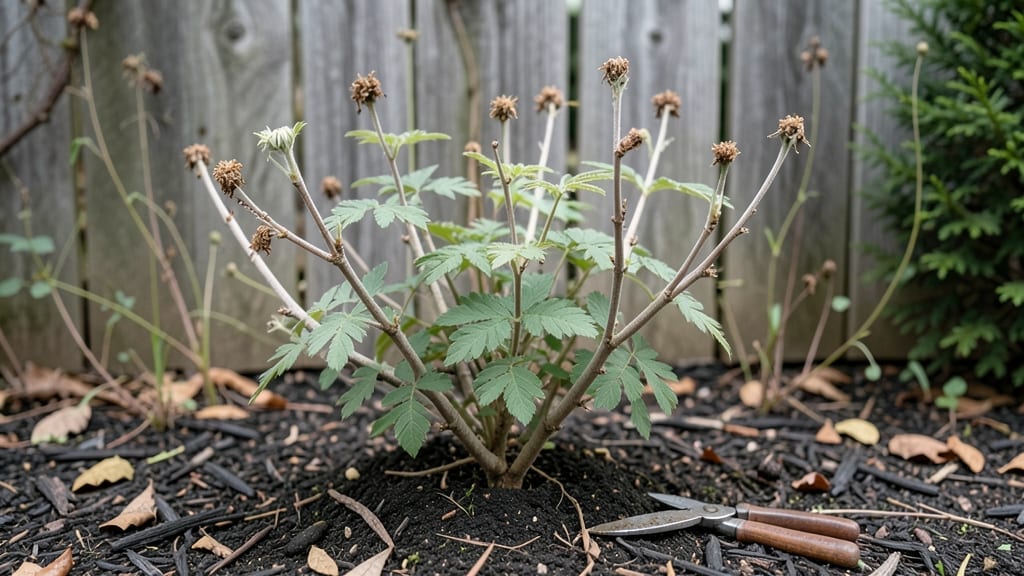
Pruning Rose of Sharon shrubs transforms them from scraggly to showstopping in just a few minutes. ✨ I used to dread the task—until I learned the three simple cuts that keep these shrubs blooming like crazy all summer. The key is timing, tools, and a little confidence.
You only need three things: sharp pruners, a pair of gloves, and a bottle of rubbing alcohol to sanitize the blades between cuts. Most people overthink it, but Rose of Sharon is forgiving—just focus on removing dead wood, shaping the outline, and thinning crowded branches.
I’ve pruned mine the same way for five years, and they’ve never looked better.
After pruning, your shrub will reward you with fresh green growth within weeks and a cloud of fragrant blooms by midsummer. The flowers come in shades of purple, pink, and white, and they attract hummingbirds like crazy. Just avoid cutting into old wood or you’ll stunt next year’s blooms.
This method works whether you prune in late winter or right after flowering. The secret is consistency—once you master these three cuts, your Rose of Sharon will thrive with minimal effort. Ready to give it a try?
📚 In This Guide
- What you need
- Instructions
- Tips and common mistakes
- Wrapping up and next steps
What you need
- ● Pruning shears or secateurs – Choose bypass pruners (sharp, clean blades) for clean cuts on smaller stems. Opt for 10-12 inch handles for better leverage.
- ● Loppers – For thicker branches (½ inch to 2 inches in diameter). Look for ratcheting or bypass loppers for ease.
- ● Pruning saw – For branches thicker than 2 inches. A bow saw or pruning saw with a fine-tooth blade works best.
- ● Garden gloves – Heavy-duty, cut-resistant gloves (like those made from Kevlar or leather) to protect your hands from thorns and rough branches.
- ● Disinfectant (70% isopropyl alcohol or bleach solution) – To sterilize tools between cuts and prevent disease spread.
- ● Bucket or trash bag – For collecting pruned branches (aim for a 5-gallon capacity or larger if your shrub is big!).
- ● Rake or broom – To clean up fallen leaves and debris afterward.
- ● Hand pruners with a built-in sharpener – Keeps blades in top condition mid-pruning.
- ● Pole pruners – If your shrub is tall (6+ feet), these help reach higher branches safely.
- ● Pruning sealant – For sealing larger cuts (though Rose of Sharon typically heals well without it).
- ● Notebook or app – To sketch the shrub’s shape before pruning (great for beginners!).
- ● Safety glasses – If you’re dealing with a very overgrown shrub to avoid debris in your eyes.
How to prune Rose of Sharon shrubs for year-round beauty
Here's my go-to method for keeping these shrubs lush and flowering—no complicated pruning required.
✂️ Step 1: Cut Back Dead or Weak Wood First
Start by removing any branches that are completely dead, broken, or crossing others. Look for stems that are hollow, brittle, or no longer producing leaves—they won’t regrow. I like to use sharp, clean pruners to make a 45-degree angle cut just above a healthy bud or outward-facing leaf.
This is the easiest part, and it’s also the most important. Removing dead wood improves airflow and prevents disease. If you’re unsure whether a branch is dead, scratch the bark with your fingernail—if it’s green underneath, it’s still alive and should stay.
✂️ Step 2: Thin Out Overcrowded Branches
Next, focus on thinning the center of the shrub. Look for branches growing inward or rubbing against each other—these compete for sunlight and can create weak spots. Cut these back to the main stem or to a strong outward-facing bud. I aim to leave about one-third of the oldest branches intact to maintain structure.
Thinning encourages new growth from the base and keeps the shrub fuller. You’ll see the difference in just a few weeks—fewer crowded branches mean better airflow and more flowers. If your shrub has more than 12-15 main branches, it’s time to thin aggressively.
✂️ Step 3: Shape and Encourage New Growth
Now, it’s time to shape the shrub. Step back and visualize the ideal form—usually rounded or slightly vase-shaped. Cut back the longest branches by about one-third to encourage bushier growth. Make your cuts just above a leaf node or bud, and always cut to an outward-facing bud to promote growth away from the center.
This is where you’ll see the most dramatic transformation. After shaping, the shrub will look fuller and more balanced. Avoid cutting too much at once—Rose of Sharon is resilient, but drastic pruning can stress the plant. If you’re unsure, err on the side of caution and leave a little extra length.
⏰ Step 4: Clean Up and Maintain Year-Round
Once you’ve finished pruning, clean up the area by removing all fallen leaves and debris. This reduces the risk of disease and pests. I also like to apply a light layer of mulch around the base to retain moisture and suppress weeds.
For ongoing care, prune lightly after each major flowering cycle—usually in late summer or early fall. This keeps the shrub tidy and encourages more blooms next season. With just these three simple cuts, your Rose of Sharon will stay healthy, full, and flowering for years.
Tips & tricks for pruning Rose of Sharon shrubs
A few key tricks will help you achieve that perfect balance of beauty and health with minimal effort.
Pruning Tool Prep: Always use sharp, clean pruners—dull blades tear branches and create jagged wounds that invite disease. Before you start, wipe your pruners with rubbing alcohol to sterilize them. I also like to sharpen my pruners on a fine file between cuts to maintain that clean, precise edge. This makes all the difference when you're making those critical 45-degree angle cuts in Step 1.
Bud Direction Matters: When you make your cuts in Steps 2 and 3, pay close attention to where the buds are facing. Always cut just above an outward-facing bud—this encourages new growth to move away from the center of the shrub. I've seen people accidentally cut above inward-facing buds, which creates dense centers that never get enough sunlight. Trust me on this: a little attention to bud direction transforms your shrub's shape overnight.
Season Timing Strategy: While you can prune year-round, late winter or early spring (just before new growth begins) is ideal. This gives your shrub the entire growing season to recover and produce new blooms. If you must prune in summer, do it immediately after flowering to avoid removing next year's buds. I've learned the hard way that summer pruning can mean fewer flowers the following season—don't make my mistake!
Cleanup is Critical: After pruning, don't just pile up those clippings in a corner. Remove all fallen leaves and debris from the base of your shrub to prevent fungal diseases. I like to use a small rake to gather up all the debris and either compost it or dispose of it properly. This simple step keeps your shrub healthier and looking its best all year round.
Pro Tips for Pruning Rose Of Sharon Shrub
- A few key tricks will help you achieve that perfect balance of beauty and health with minimal effort.
- Pruning Tool Prep: Always use sharp, clean pruners—dull blades tear branches and create jagged wounds that invite disease.
- Bud Direction Matters: When you make your cuts in Steps 2 and 3, pay close attention to where the buds are facing.
Frequently asked questions
Got questions about pruning your Rose of Sharon? You’re not alone!
Here are the most common concerns—and their simple solutions—to keep your shrub thriving year after year.
When is the best time to prune Rose of Sharon?
The ideal window is late winter or early spring (just before new growth starts) or right after flowering (late summer). Avoid heavy pruning in fall—it can stimulate tender growth vulnerable to frost. For minimalists, a light trim after blooms is enough!
How much can I cut back without harming the shrub?
Rose of Sharon is tough as nails—you can safely remove up to ⅓ of the plant’s height annually. For rejuvenation, cut back halfway to the ground in stages over 2–3 years. Just avoid over-pruning; it stresses the shrub and delays blooms.
What if my Rose of Sharon isn’t blooming after pruning?
Check these fixes:
- Light exposure: Ensure it gets 6+ hours of sun daily—shady spots reduce blooms.
- Pruning timing: If you pruned too late (after summer), delay next year’s trim until spring.
- Fertilizer: A balanced 10-10-10 in early spring can boost flower production.
Can I prune Rose of Sharon in winter? What about dead branches?
Light winter pruning (removing dead/diseased wood) is fine, but avoid heavy cuts—dormant shrubs heal slower in cold. Always prune dead branches down to live wood (green tissue) to prevent pests. Pro tip: Disinfect tools with rubbing alcohol between cuts!
Are there alternatives to pruning for shaping Rose of Sharon?
If pruning feels overwhelming, try these low-maintenance tricks:
- Selective thinning: Remove just the innermost branches to improve airflow and light.
- Topiary training: Guide growth with soft ties (not wire) for a natural hedge shape.
- Natural growth: Let it grow wild for a wildflower-meets-hedge look—just deadhead spent blooms!
Wrapping up and next steps
Pruning your Rose of Sharon shrub doesn’t have to be intimidating—just three simple cuts can keep it thriving year-round! 🌿 Whether you’re trimming for shape, health, or blooms, the key is timing and technique.
With the right tools and a little patience, you’ll enjoy a lush, vibrant shrub that rewards your efforts with stunning flowers and strong growth.
Now that you’re armed with the know-how, grab your pruners and get started! 🌸 Your Rose of Sharon will thank you with even more beauty and vitality. Happy pruning!