
Pruning
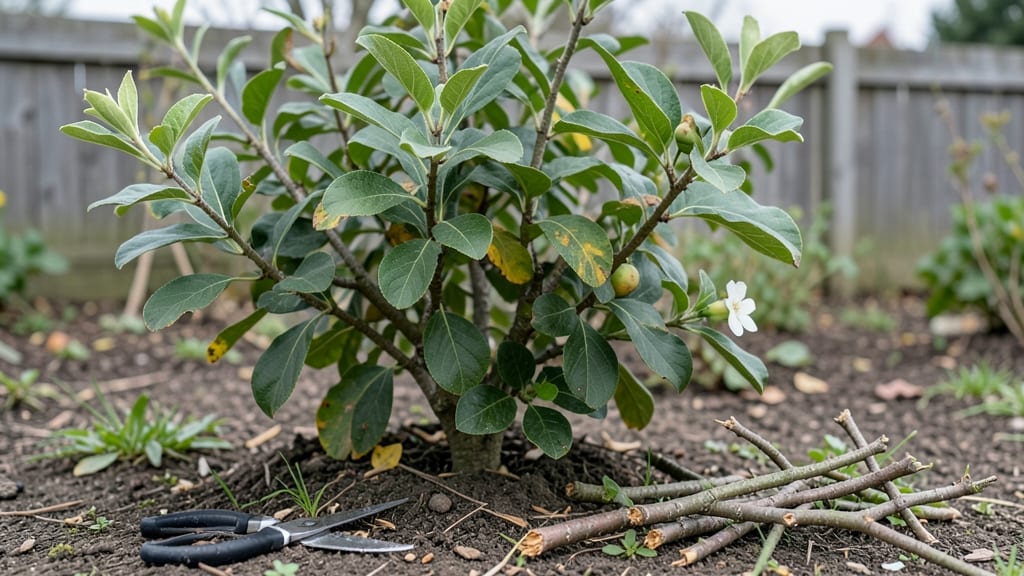
Pruning quince shrubs transforms tangled messes into neat, productive bushes—and it’s simpler than you’d think. I’ve pruned mine for five years, and these four cuts keep them flowering and fruiting like clockwork.
The key? Timing and a few sharp snips in the right spots. Most people overcomplicate it, but quince respond well to bold cuts when done right.
You’ll need just three tools: clean pruners, gloves, and a sharp saw for thicker branches. The best time to prune is late winter or early spring, right before new growth starts.
This lets you shape the shrub while it’s dormant, and the fresh cuts heal perfectly by summer. Quince handles pruning better than most shrubs—it’s forgiving if you make mistakes.
After pruning, your quince will burst with vibrant pink blooms in spring and heavy fruit by fall. The branches stay strong, airflow improves, and pests have fewer places to hide. You’ll notice the difference in just a few weeks—thicker growth, more flowers, and fruit that’s easier to reach.
The shrub’s natural shape comes back every year once you get the rhythm down.
Works for both standard quince and flowering quince varieties, and adapts to small yards or large landscapes. Once you try this method, you’ll never go back to hesitant, half-hearted cuts again. Let’s get those branches in shape!
📚 In This Guide
- What you need
- Instructions
- Tips and common mistakes
- Wrapping up and next steps
What you need
- ● Bypass pruners (sharp, clean, and sterilized—1 pair, 12–16" handle length for precision cuts).
- ● Loppers (for thicker branches, 1 pair, 18–24" handle length).
- ● Hand pruners (felco or similar) (backup pair, 8–10" handle, for smaller cuts).
- ● Garden saw (if branches exceed 2" diameter—1, with a fine-tooth blade).
- ● Disinfectant (70% isopropyl alcohol or bleach solution) (to sterilize tools between cuts—1 small spray bottle or wipe pack).
- ● Garden gloves (cut-resistant, 1 pair, size medium/large).
- ○ Pruning sealant (optional but helpful) (for large cuts, 1 small tube—like Tanglefoot Pruning Seal).
- ● Heavy-duty trash bags or bucket (for debris—1–2, 13-gallon size).
- ● Ladder or step stool (if shrubs are tall—1, stable and tall enough to reach branches safely).
- ● Rubbing alcohol wipes (for quick tool sterilization between shrubs—pack of 50).
- ● Pole pruners (for high branches—1, extendable to 6–8 feet).
- ● Labeling tags & marker (if you’re grafting or propagating—10–20 tags + permanent marker).
- ● Compost bin or wheelbarrow (to haul away pruned material—1, if not using bags).
- ● Safety glasses (to protect eyes from debris—1 pair).
Instructions for pruning quince shrubs
Here’s the straightforward approach I’ve used for years to keep quince shrubs thriving with minimal effort.
Time Your First Cut in Late Winter
Prune your quince shrubs in late winter, just as buds begin to swell but before new growth starts. This timing ensures you remove dead wood while encouraging vigorous spring growth. I always check the buds—when they’re plump and ready to burst, it’s go time. Use sharp pruning shears to make clean cuts at a 45-degree angle, just above a bud or branch collar.
If you miss this window, don’t stress—quince is forgiving. You can also prune lightly in early spring, but avoid heavy cuts then, as it may delay flowering. The key is to work before the plant shifts its energy into foliage. I like to schedule this task on a crisp morning when the air is still cool; the shrub handles the stress better in these conditions.
Remove Dead, Diseased, or Crossing Branches
Start by scanning the shrub for branches that are dead, diseased, or rubbing against others. Dead branches snap easily when bent, while diseased ones may have blackened spots or oozing sap. Cut these out first—they’re the lowest-hanging fruit (or rather, the worst offenders) for spreading problems. Make your cuts at the branch collar, the swollen area where the branch meets the trunk, to promote faster healing.
Crossing branches compete for sunlight and air circulation, weakening the shrub over time. Look for branches growing inward or crossing over others; these should be removed entirely. I always prune outward-facing branches to maintain an open, airy structure. If a branch is too thick to cut with shears, use a pruning saw for a clean slice. Never leave stubs—this invites decay and pests.
Thin Out Overcrowded Areas
Quince shrubs can get dense quickly, especially if left unpruned for years. Focus on thinning out the center of the shrub first—this improves airflow and reduces humidity, which helps prevent fungal diseases. Aim to remove about one-third of the oldest wood to encourage new growth. I start at the base and work my way up, cutting back branches that are too close together or growing inward.
When thinning, prioritize branches that are smaller in diameter—these are easier to remove and less likely to leave unsightly gaps. Step back occasionally to assess the shape; you’re sculpting, not just hacking. If the shrub looks lopsided, balance it by removing more branches from the thicker side. Quince responds well to pruning, so don’t be afraid to be decisive. The goal is a shrub that’s open at the center and full at the edges.
Lightly Shape and Encourage Blooms
After removing the problematic branches, give the shrub a final shape. Quince blooms on old wood, so avoid heavy pruning that cuts back into last year’s growth. Instead, focus on refining the outline by trimming just the tips of overlong branches. I like to keep the shrub slightly taller than wide—this mimics its natural growth habit and ensures it doesn’t flop under the weight of fruit or flowers.
If your quince produces fruit, leave at least one or two strong branches unpruned to support the harvest. These branches should be well-spaced along the shrub to distribute the weight evenly. After pruning, I always give the shrub a light watering to help it recover. The first flush of new growth after pruning is a good sign—it means the shrub is healthy and ready for the season ahead.
Tips & tricks for pruning quince shrubs
Pruning quince shrubs doesn't have to be intimidating—these key strategies will help you achieve professional results with minimal effort.
Bud Timing is Everything: In Step 1, focus on the buds rather than the calendar. The ideal time is when buds are plump and swollen but haven't yet burst into growth. I've found that checking buds in the morning gives the most accurate reading—early morning dew can sometimes make buds appear more swollen than they are. If you're unsure, err on the side of waiting a few days rather than pruning too early. The quince's resilience means you can still prune lightly in early spring, but you'll sacrifice some flowering potential.
Tool Precision Matters: The quality of your cuts directly impacts the shrub's health. In Step 2, when removing branches, use sharp pruning shears to make clean cuts at the branch collar. I've ruined several cuts by using dull tools, which can tear the bark and leave ragged edges—this invites disease. For thicker branches, a pruning saw is essential. Always clean your tools between cuts with rubbing alcohol to prevent spreading any potential pathogens from diseased branches.
Structural Balance is Key: When thinning in Step 3, remember that you're sculpting rather than simply removing branches. Step back frequently to assess the overall shape—aim for an open center that allows sunlight to penetrate to the inner branches. I've learned the hard way that removing too many branches from one side can create a lopsided appearance. Focus on maintaining a natural, balanced silhouette that mimics the quince's natural growth pattern. The goal is to create an airy structure that promotes healthy growth while preventing disease.
Post-Pruning Care: After completing all four steps, don't forget the final touch. In Step 4, give your quince a light watering to help it recover from the stress of pruning. I've noticed that shrubs pruned on cooler days recover more quickly, so if possible, schedule your pruning for early morning or late afternoon when temperatures are milder. The first flush of new growth within a few weeks is a clear sign that your pruning was successful and the shrub is thriving.
Pro Tips for Pruning Quince Shrubs
- Pruning quince shrubs doesn't have to be intimidating—these key strategies will help you achieve professional results with minimal effort.
- Bud Timing is Everything: In Step 1, focus on the buds rather than the calendar.
- Tool Precision Matters: The quality of your cuts directly impacts the shrub's health.
Frequently asked questions
Got questions about keeping your quince shrubs thriving with the right pruning? Here are some of the most common concerns—plus clear, actionable answers to keep your plants happy and healthy!
When is the best time to prune quince shrubs?
The ideal time to prune quince is late winter or early spring, just before new growth begins (around February–March in most climates). This timing helps avoid disease spread and encourages strong blooms. Avoid heavy pruning in fall—it can stimulate tender growth that may not survive winter.
How much should I trim back my quince shrub each year?
For most quince varieties, aim to remove 1/3 of the oldest wood annually to maintain shape and airflow. Focus on:
- Dead, diseased, or crossing branches (cut to the base)
- Overcrowded stems (thin to 3–5 strong shoots per stem)
- Suckers or water sprouts (remove entirely)
What should I do if my quince shrub isn’t blooming after pruning?
Quince blooms on old wood, so avoid aggressive summer pruning. If it’s not flowering:
- Check for over-pruning—leave at least 1/3 of last year’s growth.
- Ensure it gets 6+ hours of sunlight daily.
- Fertilize lightly in spring with balanced 10-10-10 if soil is poor.
Can I prune quince shrubs in summer?
Yes, but lightly! Summer pruning (June–August) should focus only on:
- Deadheading spent flowers (to encourage new blooms)
- Removing diseased leaves or branches immediately (sterilize tools!)
- Avoid heavy cuts—this can stress the plant and reduce next year’s flowers.
Are there alternatives to traditional pruning for quince?
If pruning feels overwhelming, try these low-maintenance options:
- Selective thinning: Remove only the worst branches (dead/crossing) and skip annual shaping.
- Natural shape: Let quince grow wild—it’s drought-tolerant and pest-resistant!
- Renewal pruning: Every 3–4 years, cut back 1/2 the oldest stems to rejuvenate growth.
How do I prevent disease after pruning?
Quince is prone to fire blight and powdery mildew. Follow these steps:
- Sterilize tools with rubbing alcohol between cuts.
- Prune in dry weather (avoid wet leaves).
- Space plants 6–8 feet apart for airflow.
- Apply copper fungicide if you see blackened stems (fire blight).
Wrapping up and next steps
Pruning your quince shrubs doesn’t have to be intimidating—with just four simple cuts, you can keep them thriving year-round! 🌿 Whether you’re shaping for aesthetics, boosting fruit production, or maintaining health, the key is timing, sharp tools, and confidence.
Now that you’re armed with the when and how, there’s no better time to roll up your sleeves and give your quince the care it deserves.
Ready to take the next step? Mark your calendar for your first pruning session—spring or dormant season—and watch your quince flourish. Happy pruning! 🌟