
Shrubs
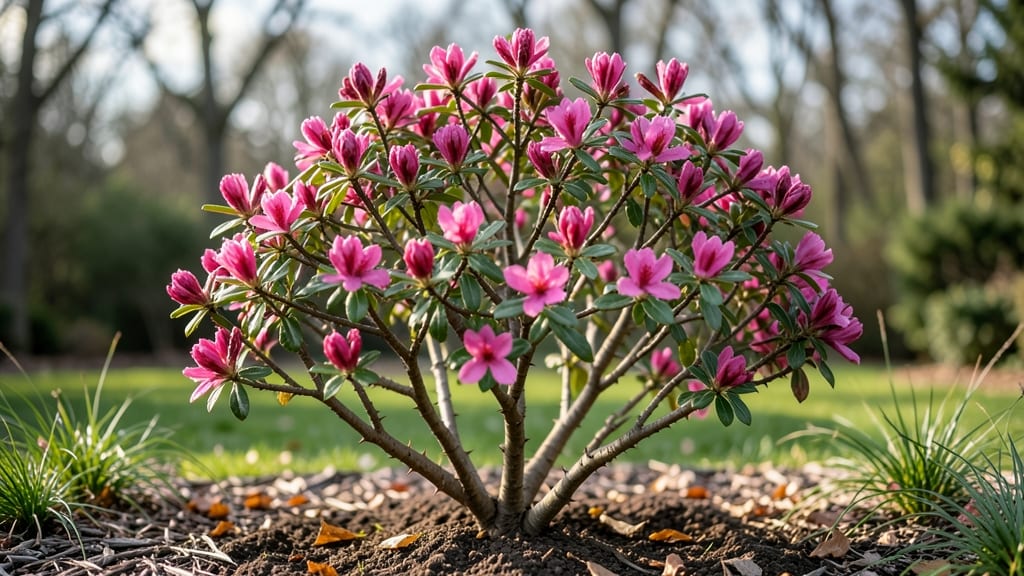
Growing flowering quince shrubs (Chaenomeles spp.) means waking up to clouds of fragrant blossoms that last from late winter through spring—without the thorns or pruning headaches. 🌸 I’ve wrestled with these stubborn beauties for years, and I’ll show you how to coax the most dramatic displays while keeping them manageable.
The secret lies in three pruning cuts per year: a winter cleanup to shape the canopy, a post-bloom trim to encourage new growth, and a light summer thinning to prevent overcrowding. Most gardeners over-prune, which stunts blooms—these shrubs reward patience with bold, repeat-flowering branches that stay lush all season.
You’ll end up with a thorn-free (or nearly so) shrub bursting with rosy-pink, red, or white blooms that perfume the air for weeks. The foliage stays glossy green, and the branches become sturdy enough to support climbing roses or vines later in the season.
Works in full sun to partial shade and thrives in zones 4-9, making it a low-maintenance star for borders, hedges, or even container gardens. Let’s get those blooms going!
📚 In This Guide
- What you need
- Instructions
- Tips and common mistakes
- Wrapping up and next steps
What you need
- ● Flowering quince shrubs: 1-3 bare-root or container-grown plants (choose thornless varieties like Chaenomeles speciosa ‘Cameo’ or ‘Texas Scarlet’ for easier care).
- ● Well-draining soil: Mix of native soil + 20% compost or organic matter (e.g., coconut coir or leaf mold).
- ● Pruning tools: 1 pair bypass pruners (for clean cuts on stems up to ½-inch thick).
- ● 1 loppers (for thicker branches, ¾-inch to 1½-inch diameter).
- ● 1 pruning saw (for stubborn, woody growth).
- ● Gloves: Heavy-duty gardening gloves (thornless varieties help, but quinces can still scratch!).
- ● Mulch: 2-3 inches of wood chips or shredded bark (to retain moisture and suppress weeds).
- ● Fertilizer: Balanced 10-10-10 or rose/flower-specific granules (apply in early spring).
- ● Plant supports: Stakes or cages (if planting in windy areas or training as a small tree).
- ● Disinfectant: 70% rubbing alcohol or bleach solution (1 part bleach to 9 parts water) to sterilize tools between cuts.
- ● Pruning sealant: (Controversial!) Only use on large cuts (>½-inch) to prevent disease (e.g., Tangle-Foot).
- ● Full sun location: 6+ hours of direct sunlight daily (quinces thrive in USDA Zones 4-9).
- ● Spacious root zone: Plant 10-15 feet apart (they spread over time!).
- ● Patience: Quince shrubs take 2-3 years to establish a fragrant, thorn-free canopy.
Step-by-step instructions for pruning flowering quince shrubs
Transform your thorny quince into a fragrant, well-behaved shrub with this precise pruning method.
✂️ Step 1: Time Your Pruning for Optimal Growth
Flowering quince blooms on old wood, so prune immediately after flowering—typically in late spring when flowers fade but new growth hasn’t hardened off. This ensures you preserve next year’s blooms while shaping the shrub. I like to wait until mid-May in my zone 7 garden, when the scent is strongest but no new buds have formed yet.
If you prune too early, you risk cutting off next year’s flowers. If you wait too long, you’ll encourage leggy growth. Watch for fully open blooms—that’s your cue to grab the shears. Early morning pruning prevents sap bleeding and reduces stress on the plant.
✂️ Step 2: Remove Dead, Diseased, and Crossing Branches
Start by eliminating dead or diseased wood—these branches won’t recover and can spread problems. Cut back to the main stem or nearest healthy growth. Next, remove any branches growing toward the center of the shrub; these create a dense, thorny tangle that blocks airflow and light. I like to step back every few cuts to visualize the open, airy shape I’m creating.
Look for water sprouts (thin, vertical shoots) and suckers (basal shoots at the base). These compete with flowering branches for energy. Use clean, sharp pruners to make 45-degree cuts just above an outward-facing bud. This encourages outward growth and reduces the shrub’s wild, thorny habit.
✂️ Step 3: Thin Out Overcrowded Areas
Flowering quince naturally grows in a multi-stemmed, bushy habit, but over time, branches can become too dense. Select 3-5 strong, well-spaced stems to keep—these will form the structural framework. Remove weaker stems at the base, cutting just above a healthy bud or lateral branch. This prevents the shrub from becoming top-heavy and encourages a balanced shape.
Focus on opening the center of the shrub. You’ll see a dramatic difference in airflow and sunlight penetration, which reduces fungal diseases like powdery mildew. Thin gradually over 2-3 years if needed—never remove more than 25% of the foliage in a single year, or you’ll stress the plant.
✂️ Step 4: Shape for Height and Width Control
Flowering quince can grow 6-10 feet tall, but most gardeners prefer a 4-6 foot height for easy maintenance. To control height, cut back the tallest branches by one-third to a strong lateral branch or bud. For width, trim outward-growing branches to encourage inward growth and a more compact form. I aim for a rounded, vase-like shape that showcases the fragrant blooms.
Use hand pruners for branches under ½ inch thick and loppers for thicker stems. Always make cuts just above a bud or branch collar—never leave stubs. After pruning, the shrub should look balanced and open, with light able to penetrate to the center. This also makes future pruning easier.
🌿 Step 5: Clean Up and Apply Post-Pruning Care
Rake up and dispose of all pruned material—never leave it on the ground, as it can harbor pests and diseases. Sterilize your pruners with rubbing alcohol between cuts to prevent cross-contamination. Once finished, apply a 2-3 inch layer of mulch around the base (but not touching the trunk) to retain moisture and suppress weeds.
Water deeply after pruning to help the shrub recover. Avoid heavy fertilization immediately after pruning—this can stimulate soft, susceptible growth. Instead, wait until early spring to apply a balanced, slow-release fertilizer (10-10-10) to support new growth. Your quince will reward you with more abundant blooms and a thorn-free, fragrant canopy next season.
Tips & tricks for pruning flowering quince shrubs
These simple strategies will help you transform your thorny quince into a fragrant, manageable beauty with minimal effort.
Timing is Everything: The late spring window—after flowers fade but before new growth hardens—is your golden opportunity. I've seen gardeners miss this timing and end up with sparse blooms the following year. Watch for fully open blooms as your cue, and always prune in the cool of early morning to reduce sap bleeding and plant stress. This timing ensures you preserve next year's flowers while shaping the shrub for optimal growth.
Visualize Your Shape: Before making any cuts, step back and envision the open, airy shape you're creating. I like to imagine sunlight streaming through the center—this helps me identify crossing branches that need removal. Focus on maintaining that rounded, vase-like form mentioned in Step 4, as this showcases the fragrant blooms beautifully while reducing the shrub's wild, thorny nature. The goal is to create a balanced structure that's both functional and visually appealing.
Pruning Technique Matters: When cutting branches, always aim for clean, precise 45-degree angles just above an outward-facing bud. This technique encourages healthy new growth in the direction you want. I've made the mistake of leaving stubs, which can lead to disease entry points. For thicker branches, use loppers and make your cuts just above the branch collar—the swollen area where the branch meets the trunk. This promotes faster healing and stronger regrowth.
Post-Pruning Care Prevents Problems: After finishing your pruning, don't forget the cleanup and care steps. Rake up all pruned material immediately—leaving it on the ground invites pests and diseases. Sterilizing your pruners between cuts prevents cross-contamination, and that 2-3 inch layer of mulch around the base works wonders for moisture retention. The deep watering after pruning helps the shrub recover, while waiting until early spring for fertilization prevents soft, susceptible growth that could be damaged by late-season frosts.
Pro Tips for Flowering Quince Shrubs
- These simple strategies will help you transform your thorny quince into a fragrant, manageable beauty with minimal effort.
- Timing is Everything: The late spring window—after flowers fade but before new growth hardens—is your golden opportunity.
- Visualize Your Shape: Before making any cuts, step back and envision the open, airy shape you're creating.
Frequently asked questions
Got questions about growing and maintaining flowering quince shrubs? You’re not alone! Here are some of the most common concerns—and straightforward answers to help you cultivate a thriving, fragrant garden centerpiece.
When is the best time to plant flowering quince shrubs?
Plant your flowering quince in early spring or fall when the soil is workable but not frozen. This gives roots time to establish before extreme heat or cold. Avoid planting in mid-summer, as the heat can stress young shrubs. If you’re in a mild climate, fall planting is ideal—just be sure to water deeply before the first frost!
How and when should I prune flowering quince to encourage blooms?
Prune right after flowering (late spring) to shape your shrub and remove dead or crossing branches. Avoid heavy pruning in fall or winter, as it can stimulate late-season growth that may not harden off before cold weather. Thin out old wood every few years to keep the center open and airy—this prevents disease and encourages more vibrant blooms!
Are flowering quince shrubs prone to pests or diseases? How do I prevent them?
While generally hardy, quince shrubs can attract aphids, spider mites, or fire blight. To prevent issues:
- Space plants for airflow (3–4 feet apart).
- Water at the base (avoid wetting foliage to deter fungal diseases).
- Remove infected branches immediately and sterilize pruners with rubbing alcohol.
- Apply neem oil if pests appear—it’s organic and effective!
If fire blight strikes (blackened stems), prune 6 inches below the affected area and dispose of debris in the trash, not compost.
Can flowering quince grow in full shade? Or do they need sun?
Flowering quince thrives in full sun (6+ hours daily) for the best blooms and compact growth. In partial shade (3–6 hours of sun), they’ll still grow but may produce fewer flowers and become leggier. If your yard is shady, choose a south- or west-facing spot or opt for a sun-loving alternative like hawthorn or mock orange.
Do flowering quince shrubs have edible fruit? Can I eat the fruit?
While the flowers are fragrant and ornamental, the fruit (called “quince”) is not edible raw—it’s hard, astringent, and bitter! However, it’s highly prized in cooking once cooked down into jams, jellies, or desserts. If you want edible quince, look for ‘Apple Quince’ (Cydonia oblonga), a different variety grown specifically for fruit.
How cold-hardy are flowering quince shrubs?
Most flowering quince varieties are USDA Zones 5–9 hardy, meaning they tolerate winters down to -20°F (-29°C). In colder zones, mulch the base with 3–4 inches of organic mulch (like shredded bark) to protect roots. Young plants may need winter wrap (burlap or frost cloth) in their first year for extra insulation.
Wrapping up and next steps
Flowering quince shrubs are a fantastic addition to any garden, offering year-round beauty with minimal fuss. Their fragrant blooms, lush foliage, and thorn-free varieties make them a standout choice for both novice and experienced gardeners.
Now that you’re armed with the right pruning techniques and care tips, why not take the plunge? Start small—plant one this season, and watch your garden transform into a fragrant, ever-blooming oasis! 🌸
🌱 Next Steps:
- Pick your variety: Choose between fragrant Chaenomeles speciosa or thorn-free C. japonica.
- Mark your calendar: Prune in late winter or early spring for best results.
- Share the love: Snap photos of your progress and tag #FloweringQuinceGarden!