
Pruning
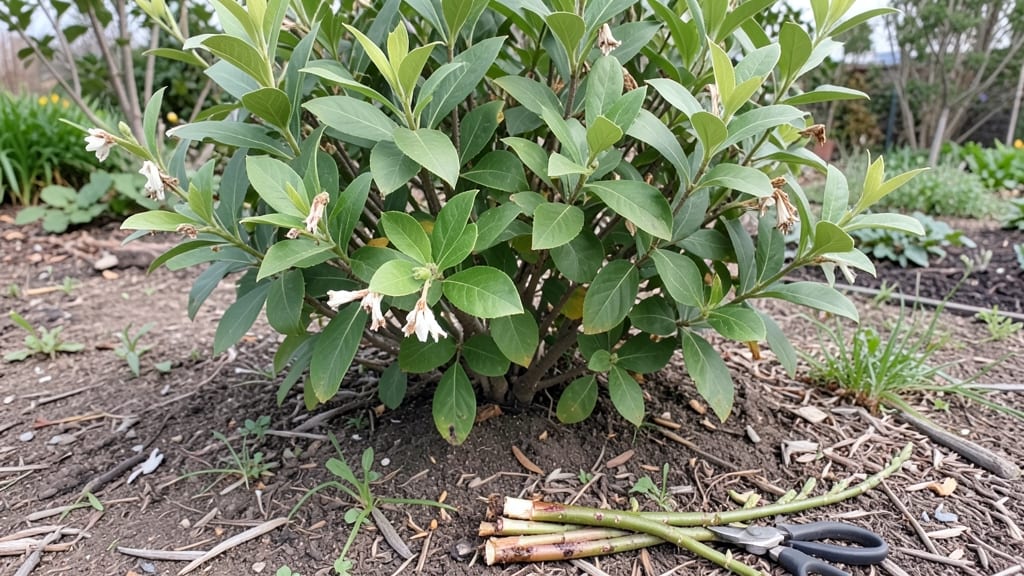
Pruning mock orange shrubs transforms them from ragged to showstopping—those fragrant white blooms will thank you. ✨ I’ve pruned mine every year since planting, and the difference between a neglected bush and one that bursts with flowers in late spring is night and day.
The key is timing, technique, and knowing exactly where to cut.
You’ll need just three tools: clean pruning shears, loppers for thicker branches, and a small rake for cleanup. Late winter or early spring is the best time—before new growth starts—but you can also give them a light shaping in summer after flowering.
The goal is to open up the center for airflow and sunlight, which keeps the shrub healthy and blooming longer.
After pruning, your mock orange will reward you with denser foliage and more abundant blooms by next season. The fragrance alone makes it worth the effort—imagine walking past a bush heavy with sweet, orange-blossom-like flowers. Just avoid cutting back into old wood, or you’ll sacrifice next year’s blooms.
Older shrubs need extra care: if they’ve gotten leggy, you can rejuvenate them by cutting back one-third of the oldest stems to the ground in stages over two years. It’s a slow process, but the payoff is a bush that looks like it’s been in the ground for decades—not years.
📚 In This Guide
- What you need
- Instructions
- Tips and common mistakes
- Wrapping up and next steps
What you need
- ● Pruning shears: A sharp, bypass-style pair (for clean cuts on stems up to ½ inch thick). Quantity: 1 pair.
- ● Loppers: For thicker branches (½ to 1½ inches). Quantity: 1 pair.
- ● Pruning saw: For stubborn, thick branches (1½+ inches). Quantity: 1.
- ● Gloves: Heavy-duty gardening gloves (to protect from thorns and sap). Quantity: 1 pair.
- ● Disinfectant: 70% isopropyl alcohol or a bleach solution (1 part bleach to 9 parts water) to sterilize tools between cuts. Quantity: Small spray bottle or cloth.
- ● Trash bags: For collecting pruned branches and debris. Quantity: 1–2 (depending on shrub size).
- ● Hand pruners: For smaller, delicate trims (great for shaping). Quantity: 1 pair.
- ● Ladder: If your mock orange is over 6 feet tall. Quantity: 1 (with a stable base!).
- ● Hose or bucket: To rinse tools post-pruning and clean up sap. Quantity: 1.
- ○ Pruning sealant: (Optional) For large cuts to prevent disease entry. Quantity: Small tube.
- ● Notebook & pen: To jot down notes on growth patterns or pruning plans.
Step-by-Step instructions for pruning mock orange shrubs
Here's how to keep your mock orange shrubs blooming beautifully with minimal effort.
✂️ Step 1: Prune Immediately After Flowering
Mock orange shrubs bloom on old wood, so the best time to prune is right after the flowers fade—usually in late spring or early summer. This ensures you don’t accidentally cut off next year’s blooms. I like to wait until about 2-3 weeks after flowering when the flowers have completely dropped.
Start by removing any dead, diseased, or crossing branches first. These are easy to spot—they’re brown, brittle, or growing inward toward the center of the shrub. Cut them back to a healthy bud or branch junction using clean, sharp pruners. You’ll notice the shrub’s shape will start to open up as you remove these problem branches.
✂️ Step 2: Thin Out Overcrowded Branches
Next, focus on thinning out the interior of the shrub to improve airflow and light penetration. Look for branches that are rubbing against each other or growing straight up instead of outward. These are the ones to remove. I aim to reduce the density by about 20-30% to keep the shrub healthy and encourage new growth.
When thinning, cut branches back to a strong outward-facing bud or side branch. Avoid leaving stubs—always make your cuts just above a bud or branch junction. This helps the shrub heal faster and directs new growth in the right direction. You’ll see the shrub’s natural shape emerge as you work.
✂️ Step 3: Shape the Shrub for Balance
Now it’s time to give your mock orange shrub its final shape. Step back and look at it from all angles to identify any areas that look too dense or uneven. I like to keep mock orange shrubs in a rounded, natural form rather than a formal hedge shape—they look best when they have a relaxed, organic appearance.
Use your pruners to trim back any branches that are growing too long or out of place. Cut just above a leaf bud or side branch to encourage new growth in the right direction. Avoid cutting more than one-third of the shrub’s overall size in a single year—this can stress the plant and reduce flowering.
✂️ Step 4: Lightly Prune in Late Winter
In late winter, just before new growth begins, give your mock orange shrub a light trim to remove any dead or weak branches. This is a minimal pruning session—think of it as a quick tidy-up rather than a major overhaul. I usually do this in February or early March, depending on your climate.
Focus on removing any branches that died over the winter or look damaged. You can also lightly shape the shrub by trimming back any branches that grew too long during the previous season. Keep your cuts clean and angled slightly away from the bud to prevent water from pooling and causing rot.
✂️ Step 5: Maintain Year-Round with Minimal Trimming
Throughout the year, keep an eye on your mock orange shrub and remove any suckers or water sprouts that appear at the base or along the branches. These are fast-growing, weak stems that drain energy from the main shrub. I also remove any flowers that appear in late summer or fall—they won’t develop fully and will just take energy away from next year’s blooms.
Finally, clean up any fallen leaves or debris around the base of the shrub to prevent disease. A little maintenance like this goes a long way in keeping your mock orange shrub healthy and blooming beautifully for years to come. With these simple steps, you’ll have a shrub that’s always ready to greet spring with a burst of fragrant flowers.
Tips & tricks for pruning mock orange shrubs
These simple tricks will help you maintain your mock orange shrubs with confidence—and keep them blooming beautifully for years.
Timing is Everything: That 2-3 week window after flowering in Step 1 is crucial for mock orange shrubs that bloom on old wood. If you prune too early, you risk cutting off next year's flower buds. I mark the date when flowers first appear and set a reminder for 3 weeks later. This timing ensures you never accidentally prune away potential blooms.
The 20-30% Rule: When thinning in Step 2, think of your shrub like a haircut—you don't want to remove too much at once. That 20-30% guideline prevents shock to the plant. I like to visualize removing every other branch that's growing inward or crossing others. This opens up the center while maintaining the shrub's natural shape.
Cutting Technique Matters: Always cut just above a bud or branch junction, never leaving stubs. This might seem like a small detail, but it makes a huge difference in how the shrub heals. I use a sharp pair of pruners and make clean cuts at a slight angle away from the bud. This prevents water from pooling and causing rot while encouraging new growth in the right direction.
Winter Maintenance: That light February/March trim in Step 4 is your chance to tidy up without stressing the plant. Focus on removing only the dead or damaged branches—think of it as a quick refresh rather than a major overhaul. I always carry a small pair of pruners in my winter coat pocket for these quick touch-ups whenever I notice something that needs attention.
Pro Tips for Pruning Mock Orange Shrubs
- These simple tricks will help you maintain your mock orange shrubs with confidence—and keep them blooming beautifully for years.
- Timing is Everything: That 2-3 week window after flowering in Step 1 is crucial for mock orange shrubs that bloom on old wood.
- The 20-30% Rule: When thinning in Step 2, think of your shrub like a haircut—you don't want to remove too much at once.
Frequently asked questions
Got questions about keeping your Philadelphus (mock orange) shrubs looking their best? Here are some of the most common concerns—and straightforward answers—to help you prune like a pro!
When is the best time to prune mock orange shrubs?
The ideal time is late winter or early spring, just before new growth begins. This ensures you remove dead wood while encouraging fresh blooms. Avoid pruning in fall, as it can stimulate tender growth that may not survive winter. For light shaping, you can also prune in summer after flowering.
How much can I trim back my mock orange shrub?
Mock orange shrubs are resilient! You can remove up to one-third of the plant in a single pruning session without harm. Focus on thinning out crowded branches and cutting back to outward-facing buds to maintain an open, airy shape. Avoid over-pruning—these shrubs bloom on old wood, so drastic cuts may reduce flowers.
What if my mock orange isn’t blooming after pruning?
If your shrub skips blooms, it might be due to over-pruning or improper timing. Ensure you’re not cutting back into last year’s growth (where flowers form) and prune in late winter/early spring. Check for pests, poor soil, or insufficient sunlight—mock orange thrives in full sun with well-draining soil.
Can I prune mock orange shrubs in containers?
Yes! Container-grown mock orange shrubs follow the same pruning rules but may need more frequent shaping due to limited space. Prune lightly after flowering to control size, and repot every 2–3 years to refresh root health. Use sterilized shears to avoid disease spread in confined pots.
What should I do with the pruned branches?
Remove diseased or dead branches immediately to prevent fungal spread. Healthy pruned wood can be composted or used as mulch. For large quantities, check local guidelines—some areas allow yard waste pickup. Never leave branches piled near the shrub, as they can harbor pests.
Wrapping up and next steps
Pruning your mock orange shrubs doesn’t have to be intimidating—just a few strategic cuts can keep them thriving and blooming year after year! 🌸 By following these 5 simple steps, you’ll encourage healthier growth, vibrant flowers, and a well-shaped shrub that steals the show in any garden.
Now that you’re armed with the know-how, grab those shears and give your mock orange the care it deserves.
Ready to transform your garden? Start by scheduling your next pruning session—whether it’s a light trim after flowering or a deeper cut in late winter. Your shrub will thank you with lush, fragrant blooms for seasons to come! 🌿