
Pruning
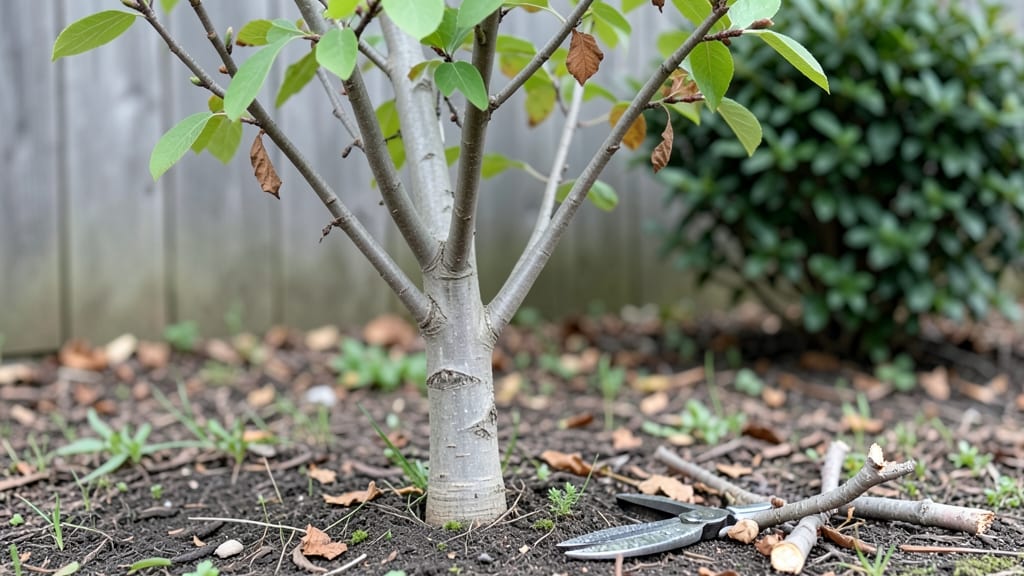
Pruning dogwood shrubs transforms them from scraggly to showstopping—here’s how to do it right. ✨ I’ve watched my dogwoods go from tangled messes to lush, flowering stars by following a few key cuts at the right time.
The secret isn’t just when you prune, but how you shape the branches to encourage healthy growth and those signature blooms.
You’ll need just a few tools: sharp bypass pruners for smaller branches, loppers for thicker stems, and maybe a small saw for stubborn wood. Timing matters most—prune in late winter or early spring before new growth starts, but avoid heavy cuts in fall, which can stress the plant.
Dogwoods reward precision over aggression, so take your time to remove dead wood first, then thin out crowded branches to let light reach the center.
After you’re done, you’ll notice new shoots emerging within weeks, and by next spring, your shrub will be fuller with more vibrant blooms. The key is making clean cuts just above a bud or branch collar, never leaving stubs.
Clean your tools with rubbing alcohol to prevent disease spread, and consider a light fertilizer in early spring to support recovery. This isn’t just pruning—it’s a reset button for your dogwood’s best performance.
Works for all dogwood varieties, from flowering types to ornamental cultivars. Once you master this, your shrubs will thank you with years of effortless beauty—and fewer headaches. Let’s get those branches looking their best.
📚 In This Guide
- What you need
- Instructions
- Tips and common mistakes
- Wrapping up and next steps
What you need
- ● Pruning shears – Bypass shears (for clean cuts on small branches, 5–7 inches long, sharp and rust-resistant). Anvil shears (for thicker branches, 7+ inches) if needed.
- ● Loppers – Bypass loppers (for branches ½–2 inches thick, 10–12 inches long, with comfortable grips).
- ● Pruning saw – Curved-tooth saw (for branches 2+ inches thick, 12–18 inches long, with a fine-tooth blade for smooth cuts).
- ● Gloves – Heavy-duty gardening gloves (cut-resistant, with a snug fit for protection against thorns and debris).
- ● Disinfectant – 70% isopropyl alcohol or bleach solution (1 part bleach to 9 parts water) (to sterilize tools between cuts and prevent disease spread).
- ● Rubbing alcohol or hand sanitizer (for cleaning hands after handling infected branches).
- ● Trash bags or bucket – For collecting pruned branches (1–2 large bags or a 5-gallon bucket with a lid).
- ● Extension pole – Attaches to loppers/saws for high branches (12–16 feet long).
- ○ Pruning sealant – Tree wound dressing (for large cuts > ½ inch; optional but reduces sap oozing).
- ● Labeling tags – If pruning for propagation (small wooden or plastic tags + marker).
- ● Safety glasses – Protects eyes from debris (especially when sawing thick branches).
- ● Knee pads – For comfort if working on the ground (adjustable or gel-filled).
- ● Weather check – Prune on a dry, calm day (avoid rain or windy conditions).
- ● Safety first – Wear closed-toe shoes and avoid loose clothing.
- ● Research timing – Know your dogwood’s dormant vs. blooming season (e.g., avoid pruning in late summer/fall for flowering varieties).
- ● Plan your cuts – Sketch a rough shape or note branches to remove (use a notebook or phone app for reference).
Step-by-Step guide to pruning dogwood shrubs
Here’s how to keep your dogwoods thriving with clean, strategic cuts that boost blooms and health.
✂️ Step 1: Time Your Pruning for Maximum Growth
Dogwoods bloom on old wood, so prune right after flowering—typically in late spring or early summer—when blooms fade but new growth hasn’t hardened. This timing ensures you don’t cut off next year’s flowers. Avoid pruning in fall or winter, as cold stress weakens the plant.
If you spot dead or diseased branches anytime, remove them immediately to prevent spread. Use sterilized pruners (clean with rubbing alcohol) to avoid transferring pathogens. Watch for branches with brown, mushy stems or blackened leaves—these are clear signs of trouble.
✂️ Step 2: Remove Dead, Damaged, or Crossing Branches
Start by cutting out dead wood (branches with no green bark or leaves) at the base. Next, thin out crossing or rubbing branches—these create wounds and invite disease. Make cuts just outside the branch collar (the swollen area where the branch meets the trunk) at a 45-degree angle to prevent water pooling.
For thicker branches, use three-step pruning: First, make an undercut on the underside of the branch, then a top cut slightly outside the branch collar, and finally snap the branch off cleanly. This method reduces tearing and keeps cuts smooth. Avoid leaving stubs—always cut flush to the collar.
✂️ Step 3: Shape and Thin for Airflow and Light
Step back and assess the shrub’s overall shape. Dogwoods naturally grow in a rounded form, so aim to open the center by removing up to 25% of the oldest wood to encourage new growth. Focus on branches growing inward or downward—they block airflow and trap moisture, leading to fungal issues.
Use your pruners to make clean, precise cuts just above a bud or side branch. Avoid heavy-handed pruning—dogwoods respond best to gradual shaping. If you’re unsure, prune conservatively and adjust next year. You’ll notice fewer crowded branches and brighter foliage within a season.
✂️ Step 4: Clean Up and Protect the Plant
After pruning, sterilize your tools again and dispose of clippings in the trash (not compost)—dogwood debris can harbor diseases like anthracnose. Rake up fallen leaves and debris around the base to reduce fungal spores overwintering.
Water the shrub deeply right after pruning to help it recover. Mulch with 2-3 inches of organic mulch (like shredded bark) to retain moisture and protect roots. Avoid piling mulch against the trunk—keep it 2-3 inches away to prevent rot.
⏰ Step 5: Monitor and Maintain Year-Round
Check your dogwood monthly for new growth or signs of stress. If you notice yellowing leaves or stunted branches, it may need more sunlight or water. Dogwoods thrive in partial shade but still need 4-6 hours of morning sun for best blooms.
In late winter (just before buds swell), do a quick inspection for winter damage. Prune out any brown, brittle branches that didn’t survive the cold. This keeps the shrub healthy and ready for spring blooms. With consistent care, your dogwood will reward you with vibrant flowers and lush foliage for years.
Tips & tricks for pruning dogwood shrubs
Real talk: Pruning dogwoods isn't rocket science, but it's easy to make mistakes that leave your shrub looking ragged or stressed. These are the tricks that'll keep your dogwoods healthy and blooming beautifully for years.
The Timing Secret: That late spring/early summer window in Step 1 is non-negotiable for dogwoods that bloom on old wood. I learned this the hard way after pruning too early and losing next year's flowers. If you miss this window, don't panic—just wait until after the blooms fade completely. The key is to prune when new growth has started but isn't fully hardened yet.
Branch Collar Technique: In Step 2, when making those 45-degree cuts just outside the branch collar, here's what nobody tells you—use a sharp pruner and cut cleanly. If you leave stubs or tear the bark, you create perfect entry points for diseases. I always test my pruners on a scrap piece of wood first to make sure they're sharp enough for clean cuts. The branch collar is your friend—it's nature's built-in seal to protect the wound.
Shape with Purpose: Step 3's 25% oldest wood removal isn't just a random number—it's about creating airflow. I think this works because dogwoods naturally grow in a rounded form, and opening the center prevents fungal issues. When shaping, imagine you're creating a dome shape. Focus on removing branches that grow inward or downward first, as these are the biggest airflow blockers. You'll notice the difference in just one growing season.
Post-Pruning Care: The deep watering right after pruning in Step 4 is crucial—it helps the plant recover from the stress of cutting. I always add a slow-release fertilizer at this time to give it a little boost. And that mulch? Keep it 2-3 inches away from the trunk to prevent rot. Between us, I've seen too many dogwoods suffer from over-mulching that leads to trunk rot.
Pro Tips for Pruning Dogwood Shrubs
- Real talk: Pruning dogwoods isn't rocket science, but it's easy to make mistakes that leave your shrub looking ragged or stressed.
- The Timing Secret: That late spring/early summer window in Step 1 is non-negotiable for dogwoods that bloom on old wood.
- Branch Collar Technique: In Step 2, when making those 45-degree cuts just outside the branch collar, here's what nobody tells you—use a sharp pruner and cut cleanly.
Frequently asked questions
Got questions about pruning your dogwood shrubs?
Here are answers to the most common concerns—so you can keep your plants thriving with confidence!
When is the best time to prune dogwood shrubs?
Prune dogwoods in late winter or early spring (just before new growth starts) to avoid stressing the plant. For light shaping, you can also prune in summer after flowering, but avoid heavy cuts then. Never prune in fall, as it can invite disease.
How do I know if I’m over-pruning my dogwood?
Watch for bare stems, sparse foliage, or weak growth—signs you’ve cut too much. Dogwoods thrive with 10-20% of their canopy removed per year. If you’ve trimmed more than that, give it time to recover, and avoid heavy pruning for a season.
Can I prune dogwoods in hot or cold weather?
Avoid pruning during heatwaves (above 90°F) or freezing temperatures. Stress from extreme temps can slow healing. Early spring (40-60°F) is ideal—cool enough to reduce shock but warm enough for quick recovery.
What if my dogwood has dead or diseased branches?
Remove dead, diseased, or crossing branches anytime—don’t wait for the "right season." Sterilize your pruners with rubbing alcohol between cuts to prevent spreading pathogens. Thin out crowded branches to improve airflow and reduce future issues.
Are there alternatives if I miss the pruning window?
If you skip late winter/early spring, light shaping in summer (after blooms) is better than nothing—but avoid heavy cuts. For severely overgrown shrubs, gradual pruning over 2-3 years is safer than one aggressive session.
Wrapping up and next steps
Pruning your dogwood shrubs doesn’t have to be intimidating—with the right timing, tools, and techniques, you’ll keep them thriving for years to come! 🌿 Whether you’re shaping for aesthetics or encouraging robust growth, precision cuts make all the difference.
Now that you’re armed with expert tips, grab those shears and give your shrubs the care they deserve.
Ready to take it further? Monitor your dogwood’s response after pruning—healthy new growth and vibrant blooms are your reward! For even more inspiration, explore seasonal pruning guides or connect with local gardening communities to share your progress.