
Pruning
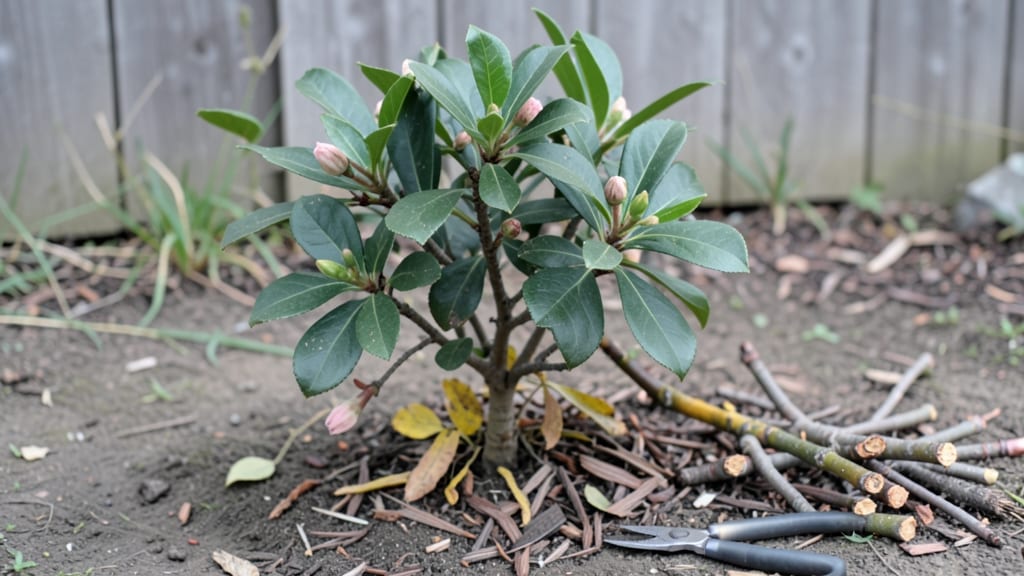
Pruning daphne shrubs isn’t as intimidating as it seems—just three simple cuts can transform a leggy, overgrown mess into a fragrant, bushy beauty that blooms reliably year after year. 🌿 I’ve pruned mine for five seasons now, and the difference between a well-tended daphne and one left to its own devices is night and day.
That first whiff of those tiny, intoxicating flowers in spring makes every snip worth it.
The key is timing and technique. Daphne blooms on old wood, so you’ll want to do most of your pruning right after flowering, when the blooms have faded but before new growth gets too vigorous.
All you really need is a pair of sharp, clean pruners and a clear morning to work—no fancy tools or complicated steps. The goal is to open up the center of the shrub, remove dead or crossing branches, and shape it so light and air can flow freely.
After pruning, your daphne will reward you with fresh, vibrant new growth and even more abundant blooms next season. The foliage stays denser, the flowers come thicker, and you’ll avoid that sad, bare look that overgrown shrubs get.
Plus, with fewer branches competing for energy, the plant puts more effort into those signature fragrant clusters. It’s a small investment of time that pays off in beauty and fragrance for years.
This method works whether you’ve got a mature daphne or a young one just starting to take shape. The principles stay the same—just adjust the intensity based on how established the plant is.
Once you’ve mastered the basics, you’ll find pruning becomes second nature, and your daphne will thank you with blooms that make your whole yard smell like spring.
📚 In This Guide
- What you need
- Instructions
- Tips and common mistakes
- Wrapping up and next steps
What you need
- ● Pruning shears: Bypass pruners (sharp, 5–7" blades) for clean cuts on small stems.
- ● Loppers: Bypass or anvil type (8–12" handles) for thicker branches (½"–1" diameter).
- ● Pruning saw: Curved-tooth saw for stubborn, woody stems (1"+ diameter).
- ● Gloves: Heavy-duty, cut-resistant (e.g., leather or Kevlar) to protect from thorns and sap.
- ● Disinfectant: 70% isopropyl alcohol or bleach solution (1:9 ratio) to sterilize tools between cuts.
- ● Trash bags: Heavy-duty, 30+ gallon for debris (Daphne leaves can be toxic—do not compost).
- ● Rake or broom: For clearing fallen leaves/debris post-pruning.
- ● Hand pruners: Compact, ergonomic for precision work in tight spaces.
- ● Ladder: Sturdy, 6–8 ft for tall shrubs (secure with stabilizers).
- ● Safety glasses: To shield eyes from flying debris.
- ● Hose or spray bottle: For rinsing tools and cleaning sap off hands.
- ○ Pruning sealant: (Optional) For large cuts (>½") to prevent disease (e.g., Tanglefoot).
- ● Check the weather forecast: Prune on a dry, overcast day (avoid extreme heat or wind).
- ● Wear long sleeves/pants to protect from sap (can irritate skin).
- ● Have a clear workspace: Remove nearby plants, toys, or obstacles.
- ● Know your Daphne’s growth stage: Refer to the article’s pruning timeline for seasonal guidance.
Instructions: pruning daphne shrubs for year-round health
Here’s how to keep your daphne shrubs lush and thriving with just three straightforward cuts.
✂️ Step 1: Light Pruning After Spring Bloom
Wait until late spring, after the daphne flowers fade completely. This timing ensures you don’t accidentally cut off next year’s buds, which form on last year’s growth. Grab your clean, sharp pruning shears and focus on removing any dead, damaged, or crossing branches first—these compete with healthy growth and can block airflow.
Next, trim back any overly long stems by one-third to encourage bushier growth. Daphne shrubs naturally grow in a mounded shape, so avoid cutting into the center too aggressively. You’ll know you’ve done it right when the shrub looks balanced and sunlight can reach all the way to the center.
✂️ Step 2: Summer Light Maintenance
During summer, daphne shrubs typically don’t need heavy pruning, but keep an eye out for any shoots growing in odd directions or branches that look leggy. Use your shears to snip these back to a healthy leaf joint—this redirects energy to stronger growth and keeps the shrub compact.
Here’s the thing—daphne shrubs are sensitive to over-pruning. If you notice the leaves yellowing or wilting after trimming, you’ve likely cut too much. Stop immediately and let the shrub recover. A light touch in summer prevents stress and keeps the plant vibrant for fall.
✂️ Step 3: Late Winter or Early Spring Renewal Cut
In late winter, just as new growth begins to swell but before buds open, give your daphne a renewal trim. This is when you can shape the shrub more aggressively, removing any old, woody stems that no longer produce flowers. Cut these back to just above a healthy bud or a strong side branch.
This step is all about rejuvenation. Daphne shrubs can live for decades, but they need this occasional reset to stay productive. After trimming, water the base deeply to help the plant recover. You’ll see fresh, green growth within a few weeks—that’s your sign everything’s on track.
✂️ Step 4: Cleanup and Disease Prevention
After every pruning session, sterilize your shears with rubbing alcohol to prevent spreading disease. Daphne shrubs are prone to fungal issues, so clean tools are non-negotiable. Remove all clippings from the area—don’t leave them under the shrub, as they can harbor pests or rot.
Finally, apply a light layer of mulch around the base (but not touching the trunk) to protect roots and retain moisture. This small step makes a big difference in keeping your daphne healthy between pruning sessions. Watch for new blooms in spring—they’ll be even more abundant after proper care.
Tips & tricks for perfect daphne shrub pruning
Pruning daphne shrubs doesn't have to be intimidating—these simple tricks will help you keep your plants thriving year after year.
Timing is Everything: The late spring timing in Step 1 is critical because daphne blooms on old wood, meaning this year's flowers formed on last year's growth. If you prune too early, you risk cutting off next year's blooms before they even form. I always wait until the flowers have completely faded and started to brown—this is your cue that the plant has finished flowering for the season.
The One-Third Rule: When trimming back overly long stems in Step 1, remember the one-third guideline applies to each individual stem, not the entire shrub. Cutting back by one-third encourages bushier growth while maintaining the natural mounded shape. Think of it like giving your shrub a haircut—you want to maintain its natural silhouette rather than transforming it completely.
Summer Maintenance Matters: During summer, focus on those oddly growing shoots rather than heavy pruning. The key in Step 2 is to snip back to a healthy leaf joint—this redirecting of energy is what keeps your daphne compact and healthy. I've learned the hard way that daphne shrubs are sensitive to over-pruning, so when you see leaves yellowing after trimming, it's your plant's way of saying "enough!"
Renewal Cut Secrets: For the late winter renewal cut in Step 3, look for those old, woody stems that no longer produce flowers. Cutting these back to just above a healthy bud is like giving your shrub a fresh start. I always water deeply after this trim—it's like giving your plant a drink of water after a good workout. You'll notice fresh green growth appearing within a few weeks, which is your reward for this rejuvenation step.
Pro Tips for Pruning Daphne Shrub
- Pruning daphne shrubs doesn't have to be intimidating—these simple tricks will help you keep your plants thriving year after year.
- Timing is Everything: The late spring timing in Step 1 is critical because daphne blooms on old wood, meaning this year's flowers formed on last year's growth.
- The One-Third Rule: When trimming back overly long stems in Step 1, remember the one-third guideline applies to each individual stem, not the entire shrub.
Frequently asked questions
Got questions about pruning your Daphne shrub? You’re not alone!
Here are answers to the most common concerns—from timing tips to troubleshooting—so you can keep your shrub thriving with confidence.
When is the best time to prune Daphne shrubs?
Prune Daphne shrubs right after flowering (late spring to early summer) to avoid cutting off next year’s blooms. For shaping or light maintenance, late winter (before buds swell) is ideal. Avoid heavy pruning in fall—it can stress the plant before winter dormancy.
What if I prune at the wrong time?
Pruning Daphne too late in summer or fall won’t kill it, but you risk fewer flowers next year or stunted growth. If you accidentally prune in fall, focus on removing dead or damaged branches and wait until spring for heavier cuts. Patience pays off!
Can I prune Daphne shrubs in winter?
Yes, but only for light shaping or cleanup. Avoid heavy pruning in winter—Daphne is semi-evergreen and sensitive to cold stress. If you must prune, do so on a mild winter day (above freezing) and avoid cutting into old wood (no flowers will form there).
How do I encourage more blooms after pruning?
To boost flowers, prune selectively—remove only spent blooms and crowded branches after flowering. Avoid shearing (which promotes leafy growth over blooms). Fertilize lightly with acidic, high-phosphorus fertilizer in early spring to support flower production.
What if my Daphne shrub isn’t blooming after pruning?
Lack of blooms could mean over-pruning, poor sunlight, or nutrient deficiencies. Check for:
- Sunlight: Daphne needs full sun to partial shade (6+ hours of sun).
- Age: Young shrubs (under 3 years) may not bloom yet.
- Soil: Ensure well-draining, acidic soil (pH 5.0–6.5).
Wrapping up and next steps
Pruning your daphne shrub isn’t just about keeping it tidy—it’s the secret to vibrant blooms and lush growth year after year! 🌿 With just three simple cuts (late winter, post-bloom, and occasional shaping), you’ll encourage healthier foliage and stunning flowers.
Don’t let hesitation hold you back—grab your pruners and give your shrub the care it deserves.
Ready to transform your garden? Start small: pick one season to practice, observe your shrub’s response, and gradually build confidence. Before you know it, your daphne will be the star of your landscape! 🌸