
Shrubs
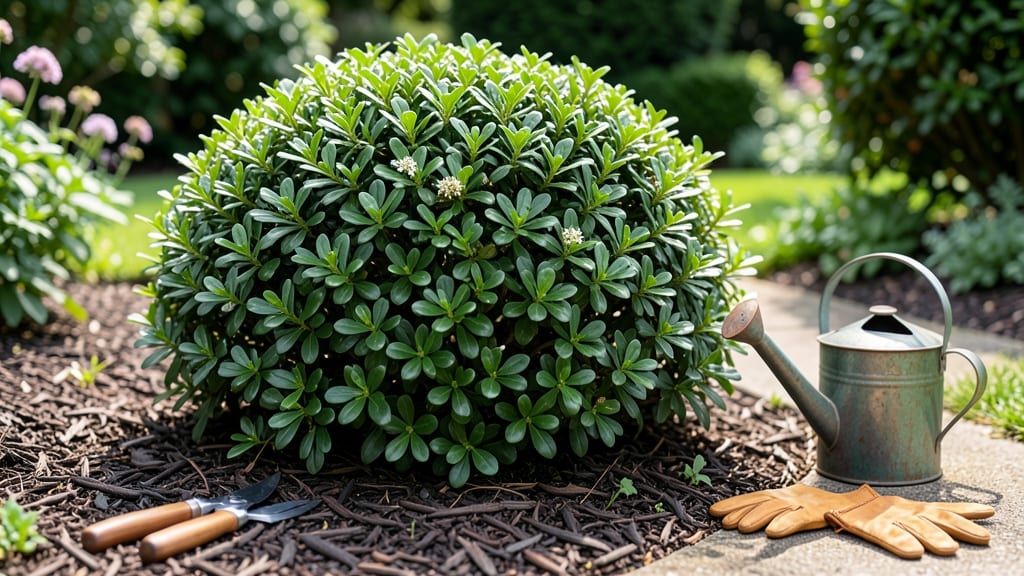
Residential shrub care in late winter can turn your scraggly shrubs into showstopping centerpieces. ✂️ After three years of trial and error, I finally cracked the code—timing, technique, and variety all matter. The right cuts now mean healthier growth, more blooms, and shrubs that look intentional, not neglected.
Most homeowners wait too late or hack away without a plan. But shrubs like boxwoods, hydrangeas, and azaleas respond best to clean cuts in late February or March, before new growth starts.
You’ll need sharp pruners, gloves, and a clear vision of your shrub’s natural shape—think layers, not lopsided messes.
By summer, your shrubs will reward you with fuller foliage, stronger stems, and fewer pests. The key is removing dead wood first, then shaping with 1/4-inch cuts just above a leaf node. It takes 20 minutes per shrub, but the payoff is shrubs that thrive all year.
Works for foundation plants, privacy screens, or mixed borders. The same principles apply whether you’re pruning a 3-foot boxwood or a 6-foot lilac. Let’s get those shears sharpened!
📚 In This Guide
- What you need
- Instructions
- Tips and common mistakes
- Wrapping up and next steps
What you need
- ● Pruning shears: Bypass shears (sharp, 6-8" blades) – 1 pair (for small stems).
- ● Loppers: Bypass or anvil type (longer handles, 18-24" blades) – 1 pair (for thicker branches, ½" to 1½" diameter).
- ● Pruning saw: Curved or folding saw (for branches >1½" diameter) – 1.
- ● Gloves: Heavy-duty, cut-resistant (gardening or pruning-specific) – 1 pair.
- ● Disinfectant: 70% isopropyl alcohol or bleach solution (1 part bleach to 9 parts water) – small spray bottle.
- ● Pruning sealant: Tree wound dressing (for large cuts, if desired) – small tub.
- ● Work boots: Sturdy, ankle-supportive (for uneven terrain).
- ● Wheelbarrow or bucket: For collecting debris – 1.
- ○ Hand lens/magnifier: To inspect buds and small details – optional.
- ● Safety glasses: For protection during saw work.
- ● Weather check: Prune on a dry, calm day (avoid frost or rain within 24 hours).
- ● Shrub knowledge: Identify your shrubs (deciduous vs. evergreen) and their pruning needs.
- ● Clean workspace: Lay down tarps or old blankets to collect debris easily.
Instructions: late-winter pruning blueprint for year-round shrub health
Here’s how I transform shrubs from winter-weary to vibrant, ensuring they bloom stronger and stay healthy all season.
✂️ Step 1: Identify Pruning Groups by Growth Habits
Not all shrubs respond the same way to pruning. First, group your plants into three categories: spring bloomers (like lilacs and azaleas), summer bloomers (such as hydrangeas and butterfly bush), and evergreens (like boxwoods and junipers). Spring bloomers need pruning right after flowering, while summer bloomers should be pruned in late winter to encourage new growth for their next bloom cycle.
Evergreens are a different story—they rarely need heavy pruning, but you can shape them lightly to maintain their form. I always start by examining each shrub’s growth pattern: spring bloomers have buds forming in late winter, so pruning too early removes next year’s flowers. Mark these with flags or a garden journal to avoid mistakes.
✂️ Step 2: Remove Dead, Diseased, or Weak Wood
Before making any aesthetic cuts, scan each shrub for dead, diseased, or crossing branches. These are your first targets—they drain energy and invite pests. Use clean, sharp pruners to make 45-degree cuts just above a healthy bud or lateral branch. If a branch is completely dead, cut it back to the main stem or collar.
I like to work from the bottom up, removing the lowest branches first. This prevents debris from falling onto fresh cuts higher up. If you spot any mushrooms, cankers, or oozing sap, sterilize your tools with rubbing alcohol between cuts to prevent spreading disease. This step alone can revitalize a shrub’s appearance and health.
✂️ Step 3: Thin Out Crowded Branches for Airflow
Next, focus on thinning rather than shearing. Remove branches that cross or rub against others, as these create wounds and reduce airflow. Aim to open up the center of the shrub by 20-30%—this encourages stronger growth from the inside out. For larger shrubs, I use a folding saw for thicker branches, but for most residential shrubs, sharp pruners work perfectly.
Watch for water sprouts—those vertical, fast-growing shoots that pop up in the center. These are energy vampires; snip them off at the base. You’ll know you’ve done this right when sunlight can now reach the inner branches. This step is critical for preventing fungal issues and promoting even growth.
✂️ Step 4: Shape and Renew Growth Zones
Now it’s time for the aesthetic work. For summer-blooming shrubs, cut back one-third of the oldest stems to the ground. This rejuvenates the plant and stimulates new growth from the base. For spring bloomers, prune lightly to shape, but avoid heavy cuts—save those for right after flowering. Evergreens can be lightly trimmed to maintain their form, but avoid cutting into old wood.
I always step back frequently to check the shape. Use your pruners to soften sharp edges and create a natural, layered look. For larger shrubs, I make step cuts—small notches along the branch—to encourage branching lower down. This prevents a "bald" top and keeps the shrub fuller over time.
🌱 Step 5: Clean Up and Protect New Growth
After pruning, gather all clippings and remove them from the yard to prevent disease or pests from overwintering. If your shrubs are in a high-traffic area, consider applying a mulch ring around the base to retain moisture and protect new growth. For newly pruned shrubs, I also recommend a light application of balanced fertilizer in early spring to support recovery.
Finally, keep an eye out for new shoots emerging from the base or buds. These are a sign your pruning worked! Water deeply but avoid overwatering—shrubs need time to establish roots after heavy pruning. If you notice any yellowing leaves or wilting, it’s a sign of stress, so adjust your care accordingly.
Tips & tricks for perfect late-winter shrub pruning
Took me years to master these pruning tricks—here's how to avoid common mistakes while giving your shrubs the best start for the season.
Tool Preparation: Sterilize your pruners with rubbing alcohol between cuts on different shrubs, especially when moving from diseased to healthy plants. I keep a small bottle in my tool belt for quick access. Sharp tools make cleaner cuts that heal faster—dull blades tear tissue, inviting infections. For larger branches, I use a folding saw to avoid crushing the wood, which can damage the plant's vascular system.
Pruning Timing Secret: In Step 1, when identifying spring bloomers, mark their location with colored flags or a garden journal. These shrubs should wait until after flowering to be pruned—cutting too early removes next year's buds. For summer bloomers, late winter is perfect to stimulate new growth for their upcoming bloom cycle. Evergreens? Just a light shape-up is all they need unless you're correcting major issues.
Visual Cues for Proper Cuts: When making those 45-degree cuts in Step 2, look for the "bud triangle"—the small area just above a healthy bud where you want to make your cut. This ensures new growth emerges in the right direction. For water sprouts in Step 3, they're easy to spot—they grow straight up like vertical straws. Snip them at the base where they meet the main branch, not higher up where it might leave a stub.
Post-Pruning Recovery: After cleaning up clippings in Step 5, I always water deeply but not heavily—think of it as a drink, not a bath. Newly pruned shrubs need moisture to recover, but soggy soil can lead to root rot. A mulch ring helps retain that moisture while protecting new growth from temperature swings. And that light fertilizer application? It's not about feeding the plant right away—it's about giving it a little boost to recover faster.
Pro Tips for Residential Shrub Care
- Took me years to master these pruning tricks—here's how to avoid common mistakes while giving your shrubs the best start for the season.
- Tool Preparation: Sterilize your pruners with rubbing alcohol between cuts on different shrubs, especially when moving from diseased to healthy plants.
- Pruning Timing Secret: In Step 1, when identifying spring bloomers, mark their location with colored flags or a garden journal.
Frequently asked questions
Got questions about keeping your shrubs thriving? Here are answers to common concerns about residential shrub care—especially after late-winter pruning—to help you avoid pitfalls and boost year-round health.
When is the exact best time to prune shrubs in late winter?
Late winter is ideal, but timing depends on your shrub type. For spring-flowering shrubs (like lilacs or azaleas), prune right after blooming—never in late winter. For summer-bloomers (e.g., hydrangeas, abelia), late winter (February–early March) is perfect. Check your USDA zone for local frost dates!
How do I know if I’ve over-pruned my shrubs?
Watch for bare stems, sparse foliage, or weak growth—signs you may have cut too much. Most shrubs can handle a 25–30% reduction in size, but avoid removing more than ⅓ of the plant’s height in one go. If you’re unsure, take a photo before pruning for reference!
What should I do if my shrubs look sad after pruning?
Don’t panic! Shrubs often look rough post-prune but bounce back with proper aftercare:
- Water deeply (1–1.5 inches per week) to support regrowth.
- Apply a balanced fertilizer (10-10-10) in early spring.
- Mulch around the base to retain moisture and protect roots.
Can I use hedge trimmers for all shrubs, or are some better off with hand pruners?
Hedge trimmers work for large, dense shrubs (like boxwoods or privet), but avoid them for delicate or small shrubs—they can cause jagged cuts. Use hand pruners or loppers for:
- Young or tender shrubs (e.g., hydrangeas, roses).
- Shaping intricate forms (e.g., topiary).
- Removing small, dead branches.
What’s the best alternative if I missed the late-winter pruning window?
No stress! Prune early spring (just before new growth starts) or summer (after flowering) for most shrubs. Avoid heavy pruning in fall—it invites disease and weakens winter hardiness. For evergreens, light shaping in summer is safer than late-winter cuts.
Wrapping up and next steps
Caring for your residential shrubs in late winter is your secret weapon for vibrant, resilient greenery all year long! 🌿 With the right tools, timing, and techniques—like strategic pruning, proper spacing, and seasonal adjustments—you’ll set your shrubs up for stunning growth and health.
Remember, a little effort now means big rewards in blooms, structure, and curb appeal.
Ready to take the next step? Grab your pruners, dust off your gloves, and schedule that late-winter pruning session—your shrubs (and your neighbors!) will thank you. Happy gardening!