
Shrubs
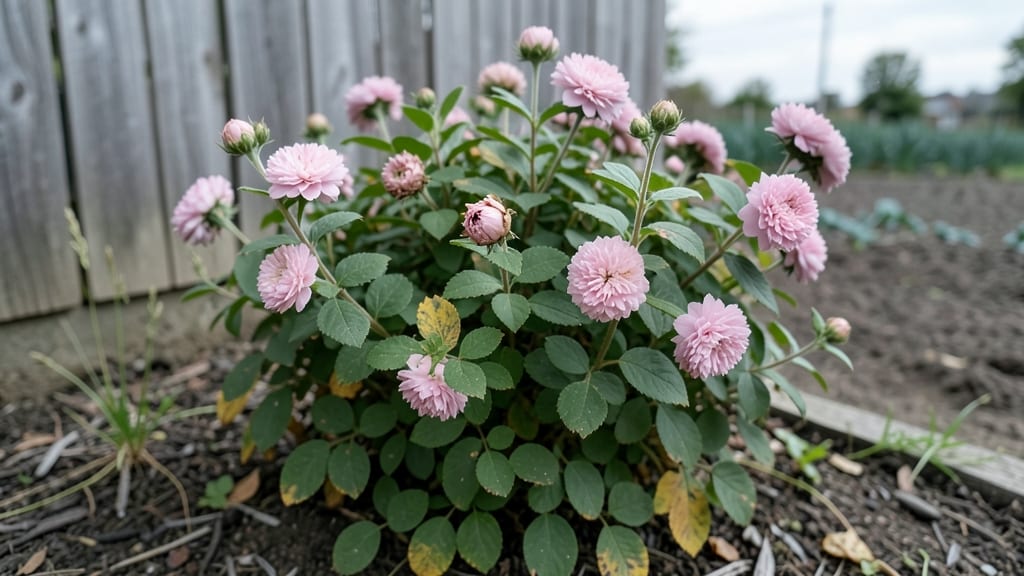
Princess Spirea grows faster than you’d expect for a shrub with such delicate pink blooms—🌸 I’ve seen it fill a gaping hole in my yard in just one season.
This isn’t your typical slow-growing hedge; it’s a fast-growing privacy screen that still looks refined, with glossy foliage and clusters of blooms that last from spring through summer. The best part? It handles partial shade better than most shrubs, making it perfect for tricky spots where other plants struggle.
Plant it in well-draining soil with a little extra compost, and give it morning sun for the best blooms. Water it deeply after planting, then let the soil dry slightly between waterings—overwatering is the quickest way to kill it.
Once established, it’s shockingly drought-tolerant, which means less work for you and more time enjoying its year-round color (yes, even the stems have subtle winter interest).
Pruning is where Princess Spirea really shines—cut it back by one-third in early spring, and it’ll bounce back with fresh growth and even more blooms. The result? A lush, compact screen that’s dense enough to block views but light enough to let sunlight filter through.
It’s the kind of shrub that makes neighbors ask, “What’s that?”—and then you get to brag about how easy it is to grow.
Works in zones 3 through 8, so whether you’re in the South or the Midwest, this shrub won’t flinch. The only real rule? Don’t plant it where it’ll get scorched by afternoon sun—it prefers a little shade to keep its leaves from scorching.
For a privacy screen that grows fast, looks polished, and needs minimal fuss, this is the one to try.
Root Causes Behind Shrub Struggles
Your Princess Spirea (or any Spirea variety) may show signs of stress, poor growth, or decline due to a mix of environmental, cultural, and biological factors. Understanding these root causes is the first step to reviving a struggling plant.
Below, we break down the most common reasons why these vibrant shrubs might not thrive—and how to identify their specific needs.
Princess Spirea thrives in well-draining, slightly acidic to neutral soil (pH 6.0–7.0). When soil conditions are off, the shrub struggles to absorb nutrients and water efficiently, leading to stunted growth, yellowing leaves, or even death.
- Compacted or Clay Soil:
Heavy, dense soil restricts root expansion and oxygen flow. Roots suffocate, leading to root rot or nutrient deficiencies. Look for wilting leaves, even when watered, or a shrub that fails to bloom.
- Poor Drainage:
If water pools around the base after rain or irrigation, the roots drown. Princess Spirea hates soggy feet. Signs include dark, mushy stems at the base or leaves that yellow and drop.
- Nutrient Deficiencies:
Soil lacking essential nutrients (like nitrogen, phosphorus, or potassium) causes pale leaves, slow growth, or sparse flowering. A simple soil test can reveal deficiencies—often corrected with organic compost or balanced fertilizer.
💡 Pro Tip: Amend heavy soil with compost or perlite to improve aeration. For sandy soil, mix in peat moss or coconut coir to retain moisture and nutrients.
Princess Spirea is drought-tolerant once established but despises consistent moisture stress. Overwatering or underwatering can trigger a cascade of problems, from fungal diseases to leaf scorch.
- Underwatering:
Dry, crispy leaf edges or wilting in hot weather signal thirst. The shrub may drop buds or flowers if stressed. Action: Water deeply 1–2 times per week (more in extreme heat) and mulch to retain moisture.
- Overwatering:
Soggy soil encourages root rot (a fungal infection). Watch for yellowing leaves, blackened stems, or a foul smell at the base. Action: Let the top 2 inches of soil dry out between waterings and improve drainage.
- Inconsistent Watering:
Fluctuating moisture levels cause leaf drop or bud blast (flowers fail to open). Princess Spirea prefers steady hydration, especially during its first growing season.
🌡️ Key Reminder: Check soil moisture by sticking your finger 2 inches deep—if it’s dry, water; if damp, wait. Drip irrigation or soaker hoses provide consistent, deep watering without wetting foliage (which promotes disease).
Princess Spirea loves full sun to partial shade (6+ hours of sunlight daily), but improper light exposure weakens its structure and color vibrancy.
- Too Much Sun (Heat Stress):
In scorching climates, excessive sun causes leaf scorch (brown, crispy edges) or sunburn. The shrub may also produce fewer flowers. Action: Provide afternoon shade in extreme heat or plant in a location with filtered light.
- Too Little Sun (Leggy Growth):
Shady spots lead to weak, stretched stems with sparse foliage and blooms. The shrub may lean toward light sources. Action: Prune nearby trees or relocate the shrub to a sunnier spot.
- Wind Exposure:
Strong, dry winds desiccate leaves and stress the plant. Look for bleached or torn foliage. Action: Plant near a windbreak (like a fence or taller shrub) or use wind-resistant varieties if possible.
🎯 Ideal Spot: Choose a location with morning sun and afternoon shade in hot zones, or full sun with afternoon protection in cooler regions.
While Princess Spirea is relatively pest-resistant, it’s not immune to attacks. Common culprits include aphids, spider mites, and fungal diseases, which thrive in stressed or overwatered plants.
- Insect Pests:
Pest Signs Solution Aphids Sticky residue (honeydew), curled leaves, ants (they farm aphids) Spray with soapy water or introduce ladybugs Spider Mites Fine webbing, speckled/yellowing leaves Blast off with water; use neem oil for severe infestations Japanese Beetles Skeletized leaves (chewed patterns), adult beetles on foliage Handpick beetles; use milky spore for long-term control - Fungal Diseases:
Powdery Mildew: White, powdery coating on leaves (common in humid conditions). Action: Improve airflow, avoid overhead watering, and apply baking soda spray (1 tsp baking soda + 1 quart water + drop of soap).
Root Rot: Mushy stems, yellowing leaves, and a foul smell. Action: Remove infected parts, improve drainage, and treat with fungicide.
🔥 Prevention Tip: Keep the area around your shrub clean and mulched to deter pests. Prune for airflow and avoid wetting foliage during watering.
Princess Spirea blooms on new wood, meaning it sets buds in late spring/early summer. Improper pruning—like cutting back too late or too aggressively—can eliminate next year’s flowers or leave the shrub vulnerable to disease.
- Pruning at the Wrong Time:
Cutting back in late fall or winter removes next season’s flower buds. Action: Prune immediately after blooming (late spring/early summer) to shape and encourage new growth.
- Over-Pruning:
Shearing back more than 1/3 of the shrub’s height weakens it and reduces flowering
Quick fixes for common shrub struggles
Revitalizing your Princess Spirea (or any fast-growing privacy shrub) doesn’t have to be a mystery. Whether your plant is looking leggy, sparse, or just plain sad, these targeted solutions will help you restore its lush, vibrant appearance—without overcomplicating things.
Below, we’ve mapped the most common issues to step-by-step fixes, plus prevention tips to keep your shrub thriving for years.
Cause: Fast growth can lead to a wild, untamed look if not pruned regularly.
Fix It: 🔥 Prune for Shape & Size
- When: Late winter or early spring (just before new growth starts).
- How: Use sharp, clean pruners to cut back one-third of the oldest stems to the ground. This encourages fresh, bushier growth.
- Pro Tip: 🌡️ For a denser look, thin out crowded branches from the center to improve airflow.
🍳 Layered Pruning for Privacy Screens
- If your shrub is too tall or sparse, gradually reduce height over 2–3 years. Cut stems back in stages (e.g., 6–12 inches per year) to avoid shocking the plant.
- Avoid: Shearing into a flat top—this can weaken the shrub and invite pests.
⏰ Maintenance Schedule
- Spring: Light trim to shape.
- Fall: Remove dead or diseased branches.
- Year-round: Monitor for overgrowth and prune as needed.
Prevent It: ✨ Regular trims (every 6–12 months) keep growth manageable. 🎯 Choose the right location—plant Princess Spirea where it gets 4–6 hours of sun but isn’t cramped by other plants.
Cause: Poor pruning, overcrowding, or nutrient deficiencies can leave gaps.
Fix It: 🔪 Rejuvenation Pruning (For Severe Cases)
- If your shrub looks half-dead, don’t panic! Cut all stems back to 6–12 inches in late winter. This forces new, vigorous growth from the base.
- Warning: This is a drastic measure—only do it if the shrub is severely neglected.
💡 Boost Nutrients
- Soil Test First: Check pH (ideal: 6.0–7.0) and amend with compost or a balanced fertilizer (10-10-10) in early spring.
- Organic Boost: Mix in aged manure or worm castings for a slow-release nutrient kick.
👨🍳 Thin Out Crowded Branches
- Remove competing stems at the base to redirect energy to stronger growth.
- Focus on the center—this is where airflow and light often get blocked.
Prevent It: 🌱 Mulch well (2–3 inches of organic mulch) to retain moisture and nutrients. 📊 Fertilize lightly in early spring and mid-summer with a low-nitrogen formula (e.g., 5-10-10) to avoid leafy but weak growth.
Cause: Spider mites, aphids, or fungal diseases (like powdery mildew) can stress your shrub.
Fix It: 🔥 Spot-Treat Pests
- Spider Mites/Aphids: Spray with neem oil or insecticidal soap (follow label instructions). Repeat every 5–7 days until pests are gone.
- Scale Insects: Scrape off visible bugs with a plastic scraper and treat with horticultural oil.
🌡️ Fungal Fixes
- Powdery Mildew: Improve airflow by pruning dense areas and spray with baking soda solution (1 tsp baking soda + 1 quart water + a drop of dish soap).
- Root Rot: If soil stays soggy, amend with sand or perlite and avoid overwatering.
Prevent It: ✨ Water at the base (avoid wetting foliage) to deter fungal spores. 🎯 Inspect regularly—catch pests early before they spread.
Cause: Princess Spirea is drought-tolerant but hates soggy roots.
Fix It: 🍳 Watering Routine
- New Plants: Water deeply 2–3 times per week for the first month.
- Established Shrubs: 1 inch of water per week (check soil—top 2 inches should be dry before watering).
- Drought Stress? Give a deep soak (1–2 inches of water) once a week if no rain falls.
🔪 Drainage Check
- If water pools around the base, amend soil with compost or plant in a slightly raised bed.
Prevent It: 💡 Mulch heavily (3 inches) to retain moisture and regulate soil temperature. 🌱 Group with thirsty plants to create a microclimate that reduces evaporation.
Final Pro Tip: 🎯 Observe your shrub—Princess Spirea is forgiving! Most issues can be reversed with one season of proper care. If all else fails, a hard prune in late winter can often bring it back to life. Happy gardening!
Frequently asked questions about Princess Spirea
How fast does Princess Spirea grow compared to other shrubs?
Princess Spirea grows surprisingly quickly for its size, often reaching 3-5 feet tall and wide in just 3-5 years. This makes it one of the faster-growing ornamental shrubs, perfect for quick privacy screens or filling garden gaps. Its compact growth habit means it won't outpace other plants like bamboo or willow, but it will establish much faster than slower varieties like boxwood.
Can I plant Princess Spirea in full shade?
While it tolerates partial shade, Princess Spirea thrives best with 4-6 hours of sunlight daily. In full shade, it may produce fewer blooms and develop leggy growth. For shady spots, choose the sunniest location possible or consider varieties better suited for low-light conditions. The pink flowers will be most vibrant with adequate sunlight.
What's the best time to prune Princess Spirea for maximum blooms?
Prune immediately after flowering (late spring/early summer) to encourage new growth and next year's blooms. Avoid pruning in fall or winter as this removes flower buds. For shaping, you can do light trims throughout the growing season, but the key pruning should happen right after the pink blooms fade. This timing ensures you don't accidentally cut off potential flowers.
Does Princess Spirea attract butterflies or other pollinators?
Yes! The clusters of pink flowers are highly attractive to butterflies, bees, and hummingbirds. Planting Princess Spirea creates a pollinator-friendly garden spot that supports local ecosystems. The blooms appear from late spring through summer, providing a long season of interest for both gardeners and wildlife. It's an excellent choice for pollinator gardens.
How cold-hardy is Princess Spirea compared to other Spirea varieties?
Princess Spirea handles cold well, thriving in USDA zones 3 through 8. This makes it more cold-tolerant than many other Spirea varieties, which often struggle below zone 5. Its compact growth and glossy foliage also help it withstand winter conditions better than some taller, more delicate shrubs. Just avoid planting it in exposed, windy locations where cold winds could damage the stems.