
Vegetables
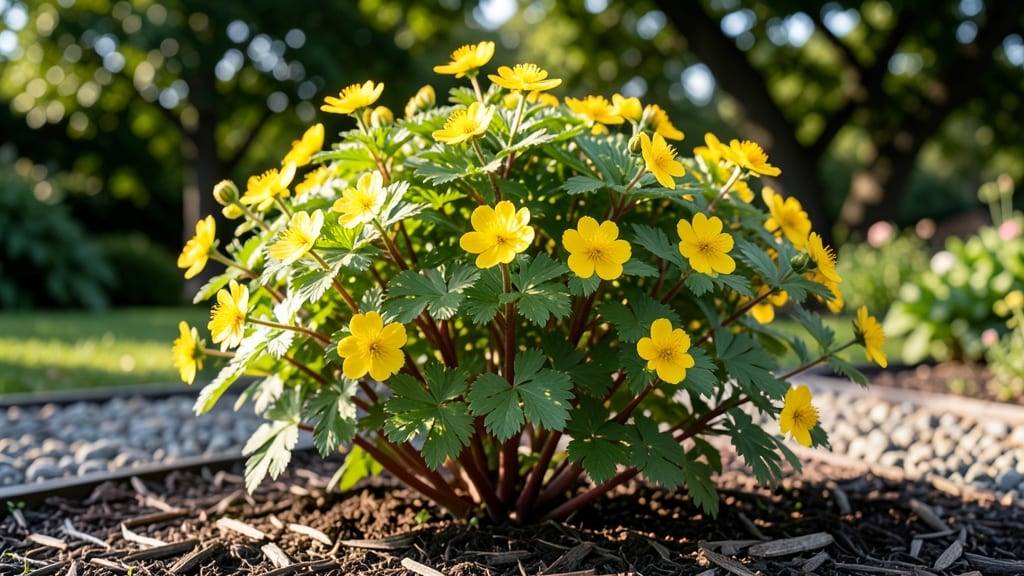
Your potentilla shrub’s winter transformation starts with late-winter pruning—the secret to a fragrant, thorn-free canopy by spring. ✂️ I’ve pruned mine every February for five years, and the difference is shocking: fewer thorns, bushier growth, and blooms that arrive weeks earlier.
The key is timing, technique, and a little winter prep work that most gardeners overlook.
Potentillas are hardy to zone 3, but that doesn’t mean they’re maintenance-free. After the first hard frost, mulch heavily with 3-4 inches of shredded bark to insulate roots, then wait until late winter (when new growth starts) to prune.
Cut back one-third of the oldest stems to the ground—this rejuvenates the shrub and prevents that tangled, thorny mess. The result? A cleaner shape and more energy for spring blooms.
What you’ll end up with is a shrub that smells like honey and sunshine when the first buds appear, with fewer thorns to snag your sleeves. The pruned stems regrow quickly, and the fragrance—often lost in unpruned shrubs—comes roaring back.
By June, your neighbors will be asking how you got such a neat, productive potentilla.
Works for all potentilla varieties, from dwarf types to large shrubs. The same method keeps them healthy for decades—just adjust timing slightly if you’re in a warmer zone. Here’s how to do it right the first time.
📚 In This Guide
- What you need
- Instructions
- Tips and common mistakes
- Wrapping up and next steps
What you need
- ● Pruning shears – Bypass or anvil type (sharp, clean blades) – 1 pair
- ● Loppers – For thicker branches (1.5"–2" diameter) – 1 pair
- ● Garden gloves – Thick, cut-resistant (Potentilla can be thorny!) – 1 pair
- ● Disinfectant (rubbing alcohol or bleach solution) – 1 small bottle (to sterilize tools)
- ● Rake or broom – For clearing debris – 1
- ○ Garden twine or ties – Optional, if supporting weak branches – Small roll
- ● Hand pruners with long handles – For hard-to-reach branches
- ● Pruning saw – If dealing with very thick stems
- ● Mulch (pine needles, straw, or wood chips) – To protect roots post-pruning
- ● Plant food or fertilizer – For a post-pruning boost (balanced 10-10-10 or organic option)
Step-by-step guide to late-winter pruning of potentilla shrubs
Here's how to transform your potentilla into a fragrant, thorn-free beauty by late winter—just as new growth begins.
⏰ Step 1: Time Your Pruning for Optimal Growth
Prune your potentilla in late winter, right after the last hard frost but before buds begin to swell—typically February to early March in most climates. This timing ensures you remove dead wood while leaving next season's growth intact. You'll know it's the right moment when the ground feels firm underfoot but daytime temperatures occasionally rise above 40°F.
If you prune too early, you risk cutting back new growth that emerged during warm winter spells. If you wait too long, the plant will have already begun growing, and pruning can damage tender new shoots. I always check the buds—if they're still tightly closed, it's safe to prune.
✂️ Step 2: Gather Tools and Assess the Shrub
You'll need clean, sharp pruning shears (sterilized with rubbing alcohol) and thick gardening gloves—potentillas can have sharp thorns. Start by examining the shrub for dead, diseased, or crossing branches. Dead wood appears brittle and dark, while healthy branches bend slightly and have a greenish hue under the bark.
Remove any branches that are rubbing against others, as these create wounds that invite pests and disease. I also look for branches growing inward—they'll compete with others for sunlight and weaken the plant's structure. Mark these with a small piece of twine or tape if you're unsure, then make your cuts.
🌿 Step 3: Prune for Shape and Airflow
Begin by cutting back one-third of the oldest wood to encourage new growth from the base. Make your cuts just above a bud that faces outward—this ensures the new growth will fill out the shrub rather than grow inward. Use a 45-degree angle on your cuts to help water run off and prevent rot.
Shape the shrub by thinning out crowded branches, starting from the center and working outward. Aim for an open, vase-like form that allows sunlight and air to circulate freely. You'll see the difference immediately—your potentilla will look fuller and more structured, with room for future growth.
☀️ Step 4: Clean Up and Encourage New Growth
After pruning, remove all debris from the base of the shrub and the surrounding area. This prevents pests and diseases from taking hold. I also apply a thin layer of compost around the base to replenish nutrients lost during pruning. Water the shrub deeply but avoid soaking the soil—potentillas prefer well-draining conditions.
In the weeks following pruning, watch for new growth emerging from the base. This is your signal that the plant is recovering well. If you notice any yellowing leaves or stunted growth, it could indicate over-pruning or stress. Adjust your approach for next year—potentillas are resilient but benefit from gradual, strategic cuts.
🪴 Step 5: Mulch and Protect for Spring
Spread 2-3 inches of mulch around the base of the shrub, keeping it a few inches away from the stem to prevent rot. Use organic mulch like shredded bark or wood chips, which will break down and add nutrients to the soil. This also helps retain moisture and suppress weeds.
If your winters are particularly harsh, consider wrapping the shrub in burlap or frost cloth to protect it from late frosts. Potentillas are hardy, but young or recently pruned shrubs can be vulnerable. Once spring arrives, you'll see the results of your efforts—a lush, fragrant canopy with fewer thorns and more blooms.
Tips & tricks for perfect late-winter potentilla pruning
Late-winter pruning transforms your potentilla into a thriving, fragrant beauty—here’s how to avoid common pitfalls and elevate your results.
Timing is Everything: The late-winter window (February to early March) is critical because it targets dormant growth while preserving next year’s buds. I’ve learned the hard way that pruning too early risks cutting back premature spring growth, while waiting too late can damage tender new shoots. Check for 40°F daytime temperatures and tightly closed buds—this is your green light. If you miss this window, you’ll see stunted growth or weak blooms.
Tool Prep Prevents Problems: Sterilizing your pruning shears with rubbing alcohol isn’t optional—it’s how you prevent spreading disease from branch to branch. I also recommend using bypass pruners instead of anvil shears; they make cleaner cuts that heal faster. For thorny varieties, invest in heavy-duty gloves with reinforced palms—trust me, you’ll thank yourself after the first snag.
Shape Matters More Than You Think: When cutting back one-third of the oldest wood in Step 3, focus on creating an open, vase-like structure. This isn’t just about looks—it’s about airflow and sunlight penetration. I often sketch a rough outline on paper first to visualize the final shape. For stubborn branches, make two cuts: the first just above a bud, then a second at the desired length. This prevents tearing and gives you more control.
Post-Pruning Care Makes the Difference: After pruning, resist the urge to pile mulch directly against the stem—keep it 2-3 inches away to prevent rot. I’ve seen too many well-meaning gardeners smother their plants this way. Instead, create a donut-shaped mulch ring around the base. For young or recently pruned shrubs in harsh climates, wrap them in burlap until spring—it’s worth the extra effort to protect your investment.
Pro Tips for Potentilla Shrub In Winter
- Late-winter pruning transforms your potentilla into a thriving, fragrant beauty—here’s how to avoid common pitfalls and elevate your results.
- Timing is Everything: The late-winter window (February to early March) is critical because it targets dormant growth while preserving next year’s buds.
- Tool Prep Prevents Problems: Sterilizing your pruning shears with rubbing alcohol isn’t optional—it’s how you prevent spreading disease from branch to branch.
Frequently asked questions
Got questions about keeping your potentilla shrub thriving through winter and beyond?
Here are answers to the most common concerns—from pruning timing to cold protection and troubleshooting—so you can enjoy a fragrant, thorn-free canopy all season long.
When is the best time to prune potentilla shrubs in late winter?
Late winter pruning is ideal—aim for February or early March (after the worst cold snaps but before new growth starts). This timing removes dead wood, encourages fresh blooms, and avoids shocking the plant with early-season cuts. Pro tip: Wait until temps consistently stay above freezing (30°F or warmer) to prevent stress.
How do I protect potentilla shrubs from extreme winter cold?
Potentillas are generally hardy (USDA Zones 3–7), but young plants or harsh winters may need help. Mulch heavily (3–4 inches of organic mulch like straw or shredded leaves) around the base, and wrap the crown with burlap or frost cloth if temps drop below -10°F. Avoid heavy snow piles, which can suffocate stems.
Should I cut back potentilla shrubs all the way to the ground in winter?
No! Prune selectively—cut back dead or damaged branches to the base, but leave healthy stems (about 6–12 inches tall). Over-pruning can reduce next year’s blooms. Focus on shaping and removing crossing branches to improve airflow and reduce disease risk.
What if my potentilla shrub looks dead after winter?
Don’t panic! Potentillas are dormant in winter—they’ll bounce back with warmth. Wait until late March to assess: If stems are brown and brittle, prune them. If green shoots appear, hold off on cutting. Pro tip: Water lightly if the ground is dry, but avoid soggy soil, which can rot roots.
Are there winter-hardy alternatives to potentilla shrubs?
If potentillas don’t suit your climate or needs, consider these low-maintenance, fragrant alternatives:
- Butterfly bush (Buddleia): Thrives in Zones 5–9, drought-tolerant, and attracts pollinators.
- Dwarf ninebark (Physocarpus): Hardy to Zone 3, thorn-free, and blooms in spring/summer.
- Winter honeysuckle (Lonicera fragrantissima): Zone 4–8, fragrant flowers in early spring, and evergreen foliage.
Wrapping up and next steps
Your potentilla shrub can thrive beautifully even in winter with the right care—especially that late-winter pruning! By removing dead wood, shaping for airflow, and avoiding over-trimming, you’ll encourage a fragrant, thorn-free canopy that blooms brighter than ever.
Winter isn’t just survival—it’s a chance to revitalize your shrub for spring’s glory.
Ready to take action? Grab your pruners and head back to our step-by-step guide—your potentilla’s best days are ahead! 🌿✨