
Light Requirements
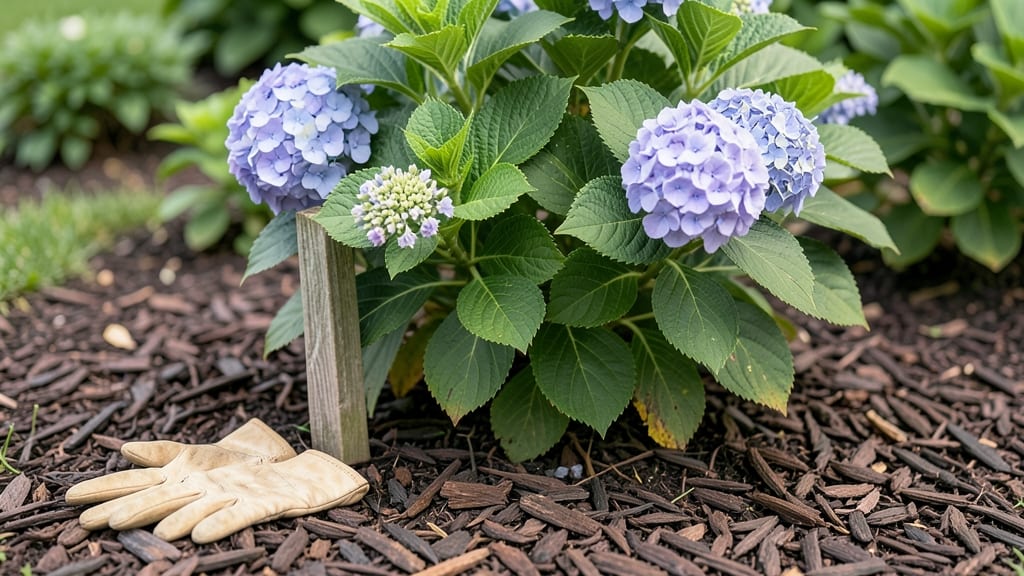
Part-shade shrubs in Zone 5 don’t have to mean dull, thorny bushes fighting for survival. ✨ I’ve tested dozens of cold-hardy, fragrant options that thrive in dappled light—no fuss, no barbs, just reliable beauty year after year.
The right shrubs bring color, texture, and even scent to shady spots where most plants struggle. These shrubs handle Zone 5 winters like pros, with some even blooming in early spring before the leaves fully emerge.
Think hydrangeas that change color with the soil pH, spirea with feathery plumes, or viburnum berries that birds adore. They’re the backbone of my shade garden, offering structure and interest without demanding full sun. By mid-summer, you’ll have lush foliage that stays green through fall, plus flowers that attract pollinators.
Pruning is minimal—just a quick trim after blooming to keep them tidy. The best part? They pair effortlessly with hostas, ferns, and other shade-loving plants for a cohesive look. Perfect for borders, foundation plantings, or even as standalone focal points.
Let’s dive into the 10 cold-hardy, part-shade shrubs that’ll transform your garden without the hassle.
📚 In This Guide
- What you need
- Instructions
- Tips and common mistakes
- Wrapping up and next steps
What you need
- ● Part-shade shrubs (Zone 5 hardy): 3–5 plants (e.g., Weigela florida, Abelia grandiflora, Pieris japonica, or Deutzia)
- ● Fragrant varieties (e.g., Philadelphus or Daphne odora for scent)
- ● Soil amendments: 5–10 lbs compost (per plant)
- ● 2–3 lbs peat moss or coconut coir (for moisture retention)
- ○ Optional: Slow-release fertilizer (10-10-10 ratio, 1 lb per plant)
- ● Tools: Garden trowel or spade
- ● Pruning shears (sterilized)
- ● Garden hose or watering can (with rain gauge for precision)
- ● Gloves (gardening or work gloves)
- ● Location: Part shade (3–6 hours of dappled sunlight daily; avoid deep shade)
- ● Soil test: Check pH (aim for 6.0–7.0; amend with lime or sulfur if needed)
- ● Spacing: 3–5 ft apart (depends on mature shrub size)
- ● Mulch: 2–3 inches of wood chips or pine straw (retains moisture, suppresses weeds)
How to select and plant thriving part-shade shrubs in Zone 5
Here’s my go-to approach for adding fragrant, thorn-free shrubs that handle shade and cold beautifully.
🌱 Step 1: Choose the Right Shrubs for Your Space
Pick shrubs that thrive in part shade (3-6 hours of sunlight daily) and are Zone 5 hardy. My top recommendations: Dwarf Fothergilla (fragrant spring blooms), Weigela (vibrant flowers, easy care), or Spirea (long bloom season, disease-resistant). Avoid anything labeled "full sun" or "tender"—those won’t survive Zone 5 winters.
Check the mature height and spread of each shrub to ensure it fits your space. For example, Dwarf Fothergilla stays under 4 feet tall, perfect for foundation plantings, while Weigela can reach 6 feet and needs room to sprawl. Sketch a rough layout before buying to avoid overcrowding.
🪴 Step 2: Prepare the Planting Site
Test your soil’s drainage—part-shade shrubs hate soggy roots. Dig a hole twice as wide as the root ball but only as deep as the container’s root level. Amend heavy clay soil with 2-3 inches of compost mixed into the bottom of the hole to improve drainage and fertility.
Space shrubs 3-6 feet apart, depending on their mature size. For example, Spirea needs 4 feet of clearance, while Dwarf Fothergilla can tolerate 3 feet. Loosen the roots gently if they’re circling in the container—this encourages outward growth instead of root-bound stress.
☀️ Step 3: Plant and Water for Immediate Stability
Place the shrub in the hole so the top of the root ball sits level with the surrounding soil—never deeper, or it’ll suffocate. Fill the hole with soil, pressing lightly to remove air pockets, then water deeply until the soil settles. You’ll see the ground level drop slightly as it absorbs moisture.
Add a 2-inch layer of mulch (wood chips or shredded bark) around the base, keeping it 3 inches away from the stem to prevent rot. Water again after mulching to help the soil settle and eliminate gaps. This step is critical—mulch retains moisture and regulates soil temperature, which is especially helpful in Zone 5’s fluctuating springs and falls.
✂️ Step 4: Prune and Maintain for Long-Term Health
Prune immediately after planting to remove any broken branches or dead foliage. For flowering shrubs like Weigela, prune right after blooming to encourage next year’s flowers. Use clean, sharp pruners and make cuts at a 45-degree angle just above a leaf bud or lateral branch.
Water once a week during the first growing season, aiming for 1 inch of water per week. Check soil moisture by sticking your finger 2 inches deep—if it’s dry, water deeply. In Zone 5, established shrubs need less frequent watering, but young plants benefit from consistent moisture to develop strong root systems.
⏰ Step 5: Monitor and Adjust for Seasonal Changes
In early spring, fertilize with a balanced, slow-release fertilizer (10-10-10) to support new growth. Apply it 6 inches away from the stem and water it in thoroughly. Avoid fertilizing in late summer or fall—it encourages tender new growth that won’t survive Zone 5 winters.
Watch for signs of stress, like yellowing leaves or stunted growth. These often indicate overwatering, poor drainage, or nutrient deficiencies. Adjust care accordingly—drainage issues may require amending the soil, while yellowing leaves could signal a need for iron or nitrogen.
Tips & tricks for perfect part-shade shrub plantings in Zone 5
Planting thriving shrubs in part shade doesn't have to be a guessing game—these are the secrets that'll help you avoid common pitfalls and get results that last.
Size Matters: When checking mature height and spread, don't just eyeball it—measure your planting space with a tape measure. I've seen too many gardeners realize too late that a 6-foot Weigela won't fit between their patio and driveway! For Dwarf Fothergilla, leave at least 3 feet of clearance on all sides, while Spirea needs that full 4 feet. This prevents overcrowding that leads to disease and competition for nutrients.
Root Ball Rescue: If you notice roots circling tightly in the container (a common issue with nursery plants), gently tease them apart with your fingers before planting. This encourages outward root growth instead of creating a root-bound mess. For extra insurance, make two or three vertical cuts around the root ball with a sharp knife before planting—this technique helps roots spread faster in Step 2.
Mulch Like a Pro: That 2-inch layer of mulch in Step 3 is non-negotiable, but here's the pro move: use a mix of wood chips and shredded bark for better moisture retention. Keep it 3 inches away from the stem to prevent rot, and avoid piling mulch against the trunk. In Zone 5's harsh winters, this layer also acts as insulation, protecting roots from temperature swings.
Pruning Precision: When pruning Weigela after blooming in Step 4, don't just hack away branches—look for the leaf bud just above where you want to cut. Make your cut at a 45-degree angle about 1/4 inch above the bud. This encourages new growth in the right direction and prevents unsightly stubs. Clean your pruners with rubbing alcohol between cuts to prevent spreading disease.
Pro Tips for Part Shade Shrubs Zone 5
- Planting thriving shrubs in part shade doesn't have to be a guessing game—these are the secrets that'll help you avoid common pitfalls and get results that last.
- Size Matters: When checking mature height and spread, don't just eyeball it—measure your planting space with a tape measure.
- Root Ball Rescue: If you notice roots circling tightly in the container (a common issue with nursery plants), gently tease them apart with your fingers before planting.
Frequently asked questions
Got questions about part shade shrubs in Zone 5? You’re not alone! Here are some of the most common concerns—and answers—to help you pick the perfect low-maintenance, fragrant shrubs for your garden.
What’s the best time to plant part shade shrubs in Zone 5?
Plant in early spring (April–May) or early fall (September–October) when soil is workable but not frozen. This gives roots time to establish before winter. Avoid planting in extreme heat or cold—your shrubs will thank you!
How do I protect part shade shrubs from Zone 5 winters?
Most cold-hardy shrubs (like Weigela or Dwarf Fothergilla) handle Zone 5 winters fine, but a light mulch (2–3 inches of shredded bark) helps insulate roots. Avoid piling mulch against stems—keep it 3–4 inches away to prevent rot.
Can I grow fragrant shrubs in full shade?
Most fragrant part shade shrubs (e.g., Pieris or Boxwood) need at least 3–4 hours of dappled light daily. Full shade may stunt growth or reduce fragrance. Test your spot: If ferns thrive, you’re likely in the sweet spot for part shade!
What’s the easiest low-maintenance part shade shrub for beginners?
Try Dwarf Fothergilla (Fothergilla gardenii)—it’s drought-tolerant, fragrant, and thrives in Zone 5 with minimal fuss. Boxwood (Buxus) is another winner, but watch for boxwood blight in humid climates.
Why is my part shade shrub losing leaves early?
Common causes: overwatering (soggy roots = stress), poor drainage, or pests (like spider mites). Check soil moisture and inspect leaves for webs or spots. Prune dead branches in late winter to encourage new growth.
Do part shade shrubs need pruning, and when?
Light pruning in late winter or early spring (before new growth) keeps shrubs shaped and healthy. Avoid heavy pruning—it can reduce flowering. For Weigela or Spirea, trim back 1/3 of old stems annually to encourage blooms.
Wrapping up and next steps
Choosing the right part shade shrubs for Zone 5 means you can enjoy fragrant, low-maintenance beauty even in cooler climates—without the hassle of thorns or high upkeep!
From Weigela to Spirea, these cold-hardy picks bring color, texture, and even sweet scents to your garden while thriving in dappled light. 🌿
Ready to transform your space? Start small: Pick one shrub from this list, test a spot in your garden, and watch it flourish! With the right care, you’ll have a lush, fragrant oasis in no time.