
Trees
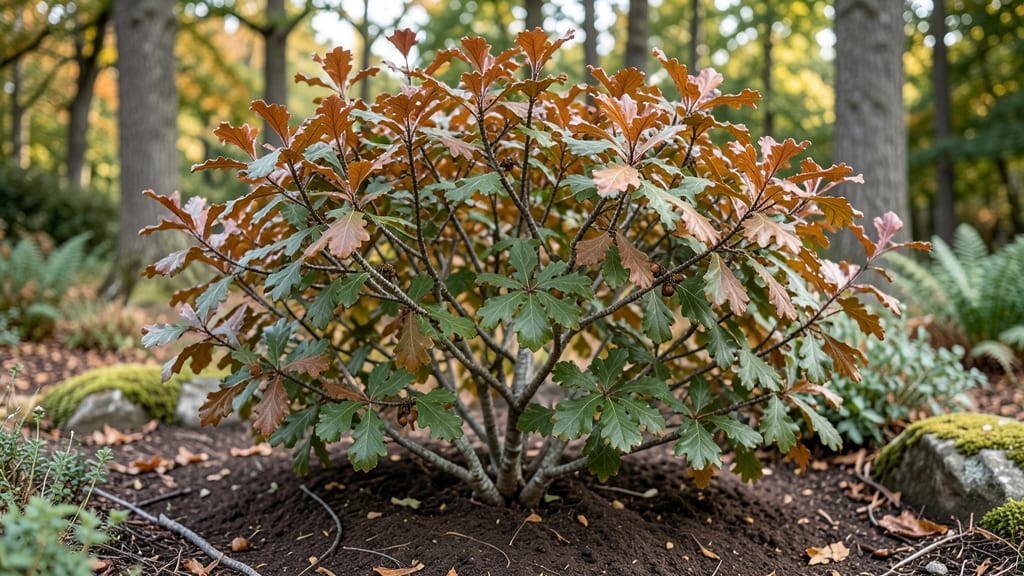
Oak leaf shrubs transform your yard into a lush, low-maintenance retreat without the thorns or fuss. 🌿 I’ve grown them for years, and they’ve become my go-to for structure, texture, and that satisfying rustle of leaves in the breeze—especially varieties like Quercus ilex (evergreen) or Acer palmatum (deciduous).
The best part? They thrive in cold climates where other shrubs struggle, and their glossy foliage stays vibrant even in tough winters.
These shrubs love well-draining soil—think sandy loam or amended clay—and 6+ hours of sunlight daily, though some tolerate partial shade. Water deeply once established, but avoid soggy roots; mulch helps retain moisture while keeping weeds at bay.
Prune in late winter or early spring to shape them, and you’ll see fresh growth within weeks. The key is patience—they grow slowly but build a sturdy framework that lasts decades.
Imagine a backdrop for perennials that stays green all winter, or a focal point with year-round interest. Oak leaf shrubs deliver fragrant foliage (yes, some varieties even smell like cinnamon!) and a natural, layered look that feels effortless.
They’re perfect for hedges, specimen planting, or even container gardens if you choose dwarf varieties. Once planted, they require minimal fuss—just occasional pruning and a watchful eye for pests.
Whether you’re adding height to a border or creating a privacy screen, these shrubs adapt to almost any landscape. Start with a young plant in spring or fall, give it space to grow (most need 8-12 feet of room), and let it do the work.
Your yard will thank you with decades of reliable beauty—and zero thorns to worry about.
📚 In This Guide
- What you need
- Instructions
- Tips and common mistakes
- Wrapping up and next steps
What you need
- ● Oak leaf shrub (Quercus ilex ‘Argentea’ or similar): 1 nursery-grown plant (3–5 gallons, 18–24" tall) or
- ● 10–20 seeds (if starting from scratch) or
- ● 3–5 healthy cuttings (4–6" long, ½" thick) for propagation
- ● Well-draining soil: 1–2 cubic yards of a mix of: 60% native soil
- ● 30% compost
- ● 10% coarse sand or perlite
- ● Planting site: Full sun to partial shade (6+ hours of sunlight daily)
- ● Space: 10–15 feet apart for mature shrubs (or 5–8 feet for dwarf varieties)
- ● Digging tools: 1 shovel (round-point for digging, flat for edging)
- ● 1 garden trowel (for transplanting seeds/cuttings)
- ● Pruning supplies: 1 pair of bypass pruners (sharp, sterilized)
- ● 1 pair of loppers (for thicker branches)
- ● 1 small saw (for stubborn stems)
- ○ Optional but helpful: Mulch (2–3 inches of pine bark or wood chips)
- ● Slow-release fertilizer (10-10-10 or oak-specific blend)
- ● Drip irrigation system or soaker hose
- ● Rooting hormone (for cuttings)
- ● Garden gloves (to protect from rough bark)
- ● Climate: USDA Zones 6–9 (cold-hardy but prefers mild winters)
- ● Water source: Access to water for initial 2–3 weeks post-planting
- ● Patience: Oak leaf shrubs grow slowly—expect 1–2 feet of growth per year!
- ● Knowledge: Basic pruning skills (or willingness to learn—YouTube tutorials help!)
Step-by-Step instructions for planting and caring for oak leaf shrubs
Here’s how to establish these fragrant, thorn-free beauties with minimal fuss—my go-to method for lush, cold-resistant foliage.
🌱 Step 1: Choose the Perfect Planting Site and Prepare the Soil
Oak leaf shrubs thrive in full sun to partial shade (at least 6 hours of direct light daily), but they tolerate light shade in hotter climates. I always pick a spot with well-draining soil—they hate soggy roots. If your soil is heavy clay, amend it with 2-3 inches of compost mixed into the top 12 inches of soil before planting. This improves aeration and nutrient availability.
Dig a hole twice as wide as the root ball but only as deep. The top of the root ball should sit 1 inch above ground level—this prevents water from pooling around the stem. Gently loosen the roots if they’re circling tightly in the container. Here’s the thing: oak leaf shrubs establish best when planted in early spring or fall, when temperatures are mild but not extreme.
🪴 Step 2: Plant and Water for Immediate Stability
Place the shrub in the hole and backfill with the native soil, tamping lightly around the edges to remove air pockets. Water deeply (about 1 gallon per plant) to settle the soil and encourage root contact. You’ll see the soil sink slightly—this is normal. After watering, add a 2-inch layer of mulch (like pine bark or shredded leaves) around the base, keeping it 3 inches away from the stem to prevent rot.
Don’t overwater now. The goal is to keep the soil evenly moist but not soggy for the first 2-3 weeks. You’ll know it’s right when the top 1-2 inches of soil feel damp but not wet. Oak leaf shrubs are drought-tolerant once established, but young plants need consistent moisture to root deeply.
☀️ Step 3: Prune for Shape and Health in Early Spring
Wait until late winter or early spring (just as new growth begins) to prune. Remove dead, diseased, or crossing branches first—this improves airflow and prevents fungal issues. Then, shape the shrub by cutting back overly long or leggy stems to encourage bushier growth. I like to trim just above a leaf node or outward-facing bud to promote new shoots.
Here’s where it gets fun: oak leaf shrubs respond well to light annual pruning. If you’ve let one get too large, you can rejuvenate it by cutting back one-third of the oldest stems to the ground in early spring. New growth will sprout from the base, giving you a fresh start. Just avoid heavy pruning in fall or winter—it stresses the plant before dormancy.
💧 Step 4: Maintain Through Seasons for Long-Term Beauty
Water deeply once a week during the first growing season, then taper to every 2-3 weeks once established (unless it’s an extended dry spell). Oak leaf shrubs are drought-resistant but look their best with consistent moisture. You’ll notice the leaves stay deep green and glossy when watering is right—wilting or yellowing means it’s time to hydrate.
Fertilize once in early spring with a balanced, slow-release fertilizer (10-10-10 or similar). Too much nitrogen makes them grow fast but weak—stick to the recommended rate on the package. In late fall, add a 2-inch layer of mulch to insulate roots over winter. These shrubs are cold-hardy, but extra protection helps them bounce back stronger in spring.
✂️ Step 5: Harvest and Enjoy the Fragrance Year-Round
The real magic? Oak leaf shrubs offer fragrant foliage that’s just as lovely when dried. Harvest sprigs in late summer (when the scent is strongest) and hang them upside down in a dry, dark place for 1-2 weeks. Once dry, store in an airtight container for potpourri, sachets, or wreaths. You’ll love the leathery, oak-like aroma that lingers for months.
For a low-maintenance hedge, prune twice a year—lightly in spring and lightly again in summer—to keep the shape tidy. If you’re growing a single specimen, let it mature naturally for bold, textured foliage. Real talk: these shrubs are pest-resistant and disease-free when cared for properly, making them a gardener’s dream.
Tips & tricks for perfect oak leaf shrub planting
A few simple strategies that'll help your oak leaf shrubs thrive from day one—no gardening degree required.
Soil Prep Secret: Before planting, I always test my soil's drainage by digging a small hole and filling it with water. If it doesn't drain within 30 minutes, you definitely need to amend with compost. Oak leaf shrubs despise soggy roots, and proper drainage is their #1 need. For heavy clay soil, mix in 2-3 inches of compost into the top 12 inches of soil as instructed—this creates that perfect airy environment their roots crave.
Planting Depth Matters: The 1-inch elevation above ground level isn't just a suggestion—it's crucial. This tiny adjustment prevents water from pooling around the stem, which can cause rot. I've seen many gardeners skip this and wonder why their plants struggle. Pro tip: Use a level to check that your planting hole is perfectly even before placing the shrub.
Watering Wisdom: Those first 2-3 weeks are critical for root establishment. I check soil moisture by sticking my finger 1-2 inches deep—if it feels dry, it's time to water. A good rule of thumb is to water when the top layer of mulch starts looking dry. Too much water now can suffocate young roots, while too little means they won't grow strong enough to handle drought later.
Pruning Precision: When shaping your shrub in Step 3, always cut just above a leaf node or outward-facing bud. This simple technique encourages new growth in the right direction. I like to make my cuts at a 45-degree angle to increase surface area for water absorption. And remember—never remove more than one-third of the oldest stems at once during rejuvenation pruning.
Pro Tips for Oak Leaf Shrub
- A few simple strategies that'll help your oak leaf shrubs thrive from day one—no gardening degree required.
- Soil Prep Secret: Before planting, I always test my soil's drainage by digging a small hole and filling it with water.
- Planting Depth Matters: The 1-inch elevation above ground level isn't just a suggestion—it's crucial.
Frequently asked questions
Got questions about growing oak leaf shrubs?
Here are some of the most common ones—plus quick answers to help you thrive with these fragrant, thorn-free beauties!
What’s the best time of year to plant an oak leaf shrub?
Plant your oak leaf shrub in early spring or fall when temperatures are mild (50–70°F). Avoid extreme heat or frost—roots need time to establish before winter. If planting in summer, water deeply daily for the first 2 weeks to prevent transplant shock.
How cold-hardy are oak leaf shrubs, really?
Most varieties tolerate USDA Zones 5–9, withstanding temps down to -20°F once established. Young plants may need winter mulch (2–3 inches of shredded bark) in colder zones to protect roots. Prune back dead stems in early spring to encourage new growth.
Why aren’t my oak leaf shrubs blooming?
Blooms thrive with full sun (6+ hours daily) and well-draining soil. If your shrub is in shade or overwatered, it may skip flowers. Fertilize lightly in spring with balanced 10-10-10 and prune spent blooms to encourage more flowers. Patience helps—some varieties take 2–3 years to mature!
Can I grow oak leaf shrubs in containers?
Yes! Choose large pots (18+ inches wide) with drainage holes and use a fast-draining mix (60% soil, 30% perlite, 10% compost). Repot every 2–3 years and fertilize monthly in growing season. Place containers in morning sun to avoid heat stress.
Are oak leaf shrubs pest-prone? How do I prevent issues?
They’re generally low-maintenance, but watch for aphids or spider mites in dry conditions. Spray with neem oil or introduce ladybugs for natural control. Overwatering can attract fungal diseases—ensure soil dries slightly between waterings. Healthy plants resist pests best!
What’s a good alternative if I want a thorn-free, fragrant shrub?
Try Abelia (Abelia × grandiflora) for similar fragrance and cold-hardiness (Zones 6–9) or Dwarf Fothergilla (Zones 4–8) for showy spring blooms. Both are pest-resistant and thrive in partial shade—perfect for smaller spaces!
Wrapping up and next steps
Growing an oak leaf shrub is a rewarding way to bring timeless beauty and fragrance to your landscape—without the hassle of thorns! These cold-hardy plants thrive with minimal fuss, offering lush foliage and a delightful aroma that brightens any space.
Whether you're a beginner or a seasoned gardener, their resilience and adaptability make them a perfect choice for year-round interest.
Ready to transform your garden? Start by selecting the right variety for your climate, then gather your tools and get planting! With a little patience, you’ll soon enjoy a fragrant, low-maintenance shrub that stands the test of time. Happy gardening! 🌿✨