
Shrubs
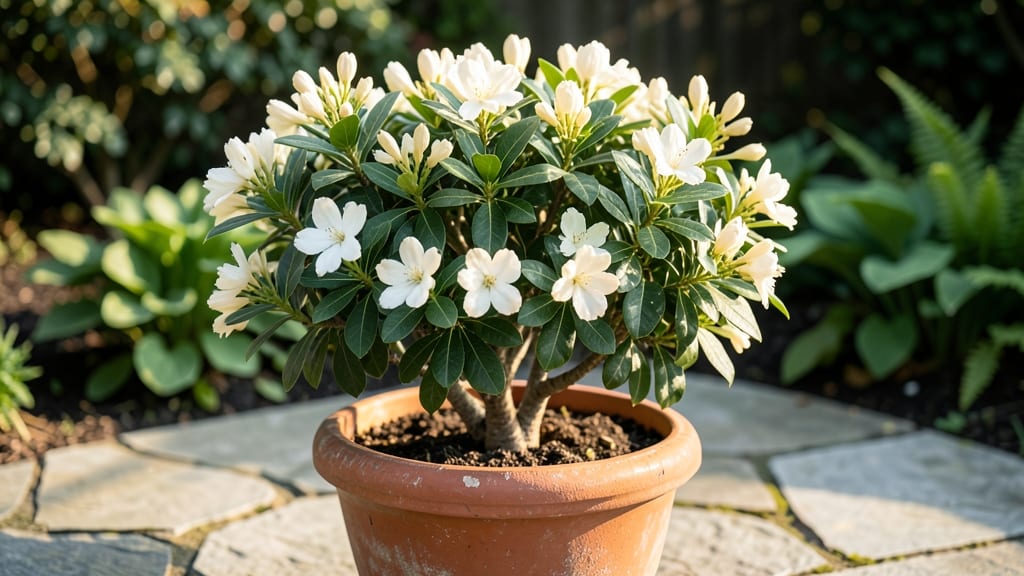
The mock orange shrub size you end up with depends entirely on the variety you choose—some stay neatly below 4 feet, while others stretch toward 12 feet if left unchecked.
If you're dreaming of fragrant blooms but limited space, understanding this shrub’s growth habits is your first step. A compact Philadelphus like 'Valley View' fits snugly in a small garden, while 'Belle Etoile' reaches for the sky like a tree. The difference? Pruning, soil, and sunlight.
Below, I break down the mature height and spread of 10+ popular varieties, plus the pruning tricks that keep even the largest shrubs in check. Whether you’re planning a hedge or a statement plant, knowing these details saves you from overcrowded beds or underwhelming blooms.
Ready to pick the perfect size? We’ll cover dwarf options for containers, standard varieties for hedges, and even tree-form mock oranges that double as small shade trees—all while keeping your garden looking intentional, not accidental.


Mock orange shrub size guide: mature height & spread by popular varieties
Choosing the right mock orange shrub for your garden starts with understanding their mature height and spread. These fragrant beauties (genus Philadelphus) vary dramatically—from petite patio plants to towering garden staples. The key?
Selecting a variety that matches your space while still delivering those intense citrus-like blooms that attract pollinators. Let’s break down six of the most popular varieties and their growth expectations to help you plan your landscape with confidence.
First, consider that mock orange shrubs typically reach maturity in 3-5 years, but their final size depends heavily on the variety. Some stay under 3 feet tall, perfect for containers or small gardens, while others stretch toward 12 feet, making them ideal for hedges or privacy screens.
Below, we’ll explore how each variety grows—including their spread width—so you can visualize their impact before planting.
🌸
| Variety | Mature Height | Mature Spread | Growth Habit | Best For |
|---|---|---|---|---|
| Philadelphus coronarius (Common Mock Orange) | 6–10 ft | 5–8 ft | Upright, multi-stemmed | Hedges, borders, specimen plants |
| 'Manteau d’Hermine' | 4–6 ft | 4–5 ft | Compact, rounded | Containers, small gardens, foundation plantings |
| 'Aureus' | 5–7 ft | 5–6 ft | Upright, slightly weeping | Woodland gardens, shade gardens |
| 'Virginal' | 3–5 ft | 3–4 ft | Dwarf, bushy | Containers, rock gardens, urban courtyards |
| 'Belle Etoile' | 6–8 ft | 5–7 ft | Upright, dense | Privacy screens, mixed borders |
How to control mock orange shrub size: pruning & planting tipsManaging your mock orange shrub size starts with smart planting. These fragrant beauties thrive in well-draining soil with 6+ hours of sunlight, but their final size depends heavily on where you place them. For compact varieties, plant in partial shade to slow growth—this works especially well for 'Valley View', which stays under 5 feet. If you want a taller specimen, full sun will encourage that 6-10 foot mature height common in 'Belle Etoile'. Spacing is another game-changer. Give your mock orange 4-6 feet of clearance from other plants or structures. This prevents overcrowding, which can stunt growth or lead to pests and diseases. In small gardens, consider container gardening—use pots at least 24 inches wide for dwarf varieties like 'Manteau d’Hermine', which tops out around 4 feet.
💡 Pro Tip: Prune mock orange shrubs right after blooming to control size. Cut back 1/3 of the oldest stems to the ground—this encourages bushier growth and prevents legginess. For tree-form varieties, prune to maintain a single trunk and open canopy. Always use sterilized shears to avoid disease spread! ✂️
When it comes to pruning techniques, timing matters. Lightly shape your shrub in late winter to remove dead or crossing branches. For heavier size control, do a renewal pruning every 2-3 years—cut back 1/3 of the oldest wood to rejuvenate growth. Avoid pruning in fall, as this can stimulate tender new growth that won’t survive winter. Soil type plays a surprising role in mock orange shrub size. These plants prefer loamy, slightly acidic soil (pH 6.0-7.0). If your soil is heavy clay, amend it with compost or sand to improve drainage. Poor soil conditions can lead to stunted growth or weak stems. Test your soil before planting—this simple step can mean the difference between a 3-foot shrub and a 10-foot monster. For container-grown mock orange, choose a pot with drainage holes and use a well-draining potting mix. Root-bound plants grow slower, so repot every 2-3 years if you notice roots circling the container. In pots, these shrubs may stay 1-2 feet smaller than their in-ground counterparts. Fertilize lightly in early spring with a balanced 10-10-10 formula to support controlled growth. Remember, mock orange shrubs are forgiving. Even if you miss a pruning cycle, they’ll bounce back. Focus on consistent care—proper watering, sunlight, and pruning—and your shrub will stay within your desired mock orange shrub size while still bursting with those sweetly fragrant blooms. 🌸 |