
Shrubs
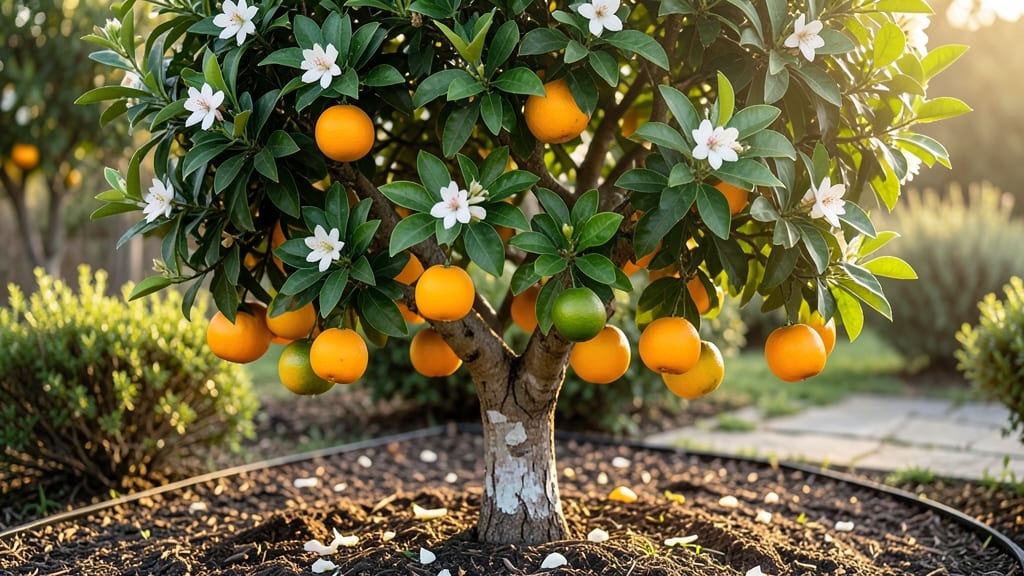
Growing an orange bells shrub transforms your yard into a sunlit oasis with vibrant blooms and no thorns to worry about. 🌿 I learned the hard way—my first attempt nearly died from overwatering, but once I mastered the basics, this shrub became my go-to for easy, dramatic color.
The key isn’t just planting; it’s understanding how to shape it into that perfect, low-maintenance canopy. This shrub thrives in full sun and well-draining soil, which means even beginners can nail it. You’ll need 3 simple pruning steps to keep it bushy and blooming—no green thumb required.
Just grab your shears, follow the seasonal rhythm, and watch it reward you with bright orange flowers from spring through fall. The best part? It’s drought-tolerant once established, so forget the fuss.
By late summer, your shrub will be bursting with flowers and shaped like a natural umbrella—no messy vines or invasive roots. The fragrance alone makes it worth the effort, and it pairs beautifully with lavender, salvia, or even rosemary for a pollinator-friendly display.
Even my neighbor’s skeptical "it’ll never work" turned into admiration after one season. Works in zones 7-11, so whether you’re in the desert Southwest or a coastal climate, this shrub adapts. The only real mistake? Waiting too long to prune. Let’s get yours growing!
📚 In This Guide
- What you need
- Instructions
- Tips and common mistakes
- Wrapping up and next steps
What you need
- ● Orange bells shrub plant: 1 healthy nursery-grown specimen (3–5 ft tall, thornless variety preferred).
- ● Well-draining potting mix: 3–5 gallons (for container gardening) or amend garden soil with compost (1 part compost to 3 parts native soil).
- ● Fertilizer: Balanced 10-10-10 granular fertilizer (1 lb per plant) or slow-release osmocote (14-14-14).
- ● Mulch: 2–3 inches of pine bark or wood chips to retain moisture and suppress weeds.
- ● Pruning shears: Sharp, bypass-style shears (for clean cuts).
- ● Gloves: Heavy-duty gardening gloves (to protect from occasional thorns on older stems).
- ● Hand pruners: For smaller branches (great for precision trimming).
- ● Hose with nozzle: For deep watering (drip irrigation works too!).
- ● Soil pH tester: To ensure your soil is slightly alkaline (7.0–8.0 pH, ideal for orange bells).
- ● Plant support (stake): 1–2 bamboo stakes (6 ft tall) if planting in windy areas.
- ● Fungicide (copper-based): For prevention of powdery mildew in humid climates.
Instructions for pruning orange Bells shrub to maintain a thorn-free canopy
Here's how I keep my Orange Bells shrubs lush, thorn-free, and full of vibrant blooms with minimal effort.
🪴 Step 1: Assess the Shrub's Structure and Identify Problem Areas
Start by examining your Orange Bells shrub from all angles. Look for areas where thorns are developing—these typically appear on older, leggy branches that haven't been pruned in a while. I focus on branches that are growing inward or crossing over others, as these create dense, thorny tangles. Use your fingers to gently trace the stems; you'll feel the rough texture where thorns form.
Mark these branches with a small piece of twine or a paint pen. This helps you visualize which stems need priority attention. Avoid pruning healthy, outward-growing branches unless they're overcrowding others. The goal is to maintain an open, airy structure that lets sunlight reach the center—this naturally reduces thorn formation.
✂️ Step 2: Prune for Shape and Remove Thorny Growth
Use clean, sharp pruning shears to cut back the marked branches at a 45-degree angle, about ¼ inch above a leaf node or outward-facing bud. This encourages new growth in the right direction. For thick, thorny stems, make your cut just outside the thorn cluster—this prevents regrowth in the same spot. I always prune on a dry day to reduce the risk of disease entering through fresh cuts.
Shape the shrub gradually over time—never remove more than ⅓ of the foliage in one session. For Orange Bells, I aim for a rounded, slightly vase-like form. This shape allows sunlight to penetrate the center while keeping the outer edges full. After pruning, discard the clippings immediately to prevent pests from using them as shelter.
☀️ Step 3: Encourage New Growth with Light and Fertilizer
Once you've pruned, give the shrub a light feeding with a balanced, slow-release fertilizer (10-10-10 ratio works well). Water deeply right after pruning to help the plant recover. Orange Bells thrive in full sun to partial shade, so ensure it gets at least 6 hours of sunlight daily. If your shrub is in a shadier spot, you'll see fewer blooms and more leggy growth—both of which contribute to thorn development.
Watch for new shoots emerging from the pruned areas within 2-3 weeks. These will be thorn-free if you've cut back properly. Thin out any overly aggressive new growth to maintain the open structure. Regular pruning every late winter or early spring keeps the shrub compact, reduces thorns, and ensures a steady supply of bright orange blooms all season.
Tips & tricks for maintaining a thorn-free orange Bells shrub
Keeping your Orange Bells shrub lush and thorn-free takes just a few key strategies that prevent common pitfalls.
Timing is Everything: Late winter or early spring is the ideal time to prune, right before new growth begins. This timing aligns with the shrub's natural dormancy period, reducing stress and promoting vigorous new shoots. I've found that pruning too early in winter can expose the plant to cold damage, while waiting too late may encourage unwanted thorny growth. The 2-3 week window for new shoots to appear after pruning gives you a clear benchmark to track progress.
The Technique That Changed Everything: When cutting thick, thorny stems, make your incision just outside the thorn cluster rather than through it. This simple adjustment prevents the shrub from regenerating thorns in the same spot. I also recommend using a clean, sharp pair of pruning shears each time—dull tools crush stems and create larger wounds that invite disease. For stubborn thorns, a small pair of bypass pruners works better than regular shears for precision.
Sunlight Strategy: Orange Bells need at least 6 hours of direct sunlight daily to thrive, but too much shade triggers leggy growth and thorn development. If your shrub isn't getting enough light, consider transplanting it to a sunnier location or gradually acclimating it to more sunlight over several weeks. I've seen dramatic improvements in bloom quantity after moving shrubs from shaded areas to their ideal light conditions.
Pro Tips for Orange Bells Shrub
- Keeping your Orange Bells shrub lush and thorn-free takes just a few key strategies that prevent common pitfalls.
- Timing is Everything: Late winter or early spring is the ideal time to prune, right before new growth begins. This ti...
- The Technique That Changed Everything: When cutting thick, thorny stems, make your incision just outside the thorn cl...
Frequently asked questions
Got questions about growing and maintaining your orange bells shrub? You’re not alone! Here are answers to the most common queries—from planting to pruning—so you can keep your thorn-free beauty thriving with ease.
How fast does an orange bells shrub grow?
The Tecoma stans (orange bells shrub) grows at a moderate pace, typically adding 12–24 inches per year under ideal conditions. With full sun, well-draining soil, and regular watering, it can reach 6–10 feet tall within 3–5 years. For faster growth, fertilize lightly in spring with a balanced 10-10-10 formula.
When is the best time to prune orange bells shrubs?
Prune your orange bells shrub late winter or early spring (just before new growth starts) to shape it and encourage vibrant blooms. Avoid heavy pruning in fall—it can stimulate tender new growth that won’t survive winter. Light trimming after flowering (summer) keeps the plant tidy without sacrificing next year’s blooms.
Can orange bells shrubs survive cold winters?
Orange bells shrubs are semi-tropical and thrive in USDA zones 8–11. In colder zones (7 or below), plant in a sheltered spot or use mulch to protect roots. If frost threatens, wrap young plants in burlap or move potted shrubs indoors. Hardy once established, they’ll bounce back with spring warmth!
What are some alternatives to orange bells shrubs?
If you love the bright orange blooms but need low-maintenance or cold-hardier options, try these:
- Butterfly Bush (Buddleia davidii) – Drought-tolerant, attracts pollinators, zones 5–9.
- Firecracker Bush (Russelia equisetiformis) – Thornless, cascading habit, zones 9–11.
- Texas Ranger (Leucophyllum frutescens) – Silver foliage, purple blooms, zones 7–11.
- Desert Willow (Chilopsis linearis) – Drought-resistant, trumpet-shaped flowers, zones 7–11.
Why aren’t my orange bells shrubs flowering?
Lack of blooms often stems from over-fertilizing (too much nitrogen = leafy growth, no flowers) or poor sunlight (they need 6+ hours of direct sun daily). Prune back 1/3 of old wood in late winter to stimulate new growth. If soil is too rich, reduce fertilizer and amend with sand or gravel for better drainage.
Can I grow orange bells shrubs in containers?
Use a large pot (18+ inches wide) with drainage holes and a well-draining cactus/succulent mix. Repot every 2–3 years and fertilize lightly in spring. Place in full sun and water when the top 1–2 inches of soil dry out. Overwinter indoors near a sunny window if temps drop below 20°F.
Wrapping up and next steps
Transforming your garden with a thorn-free Orange Bells shrub is easier than you think! With the right pruning techniques—like shaping, thinning, and seasonal maintenance—you’ll enjoy a lush, vibrant canopy in no time. 🌿✨
Ready to take action? Grab your shears, pick a sunny day, and start pruning today. Your future blooms will thank you!
Pro tip: Bookmark this guide for your next pruning session—consistency is key!