
Shrubs
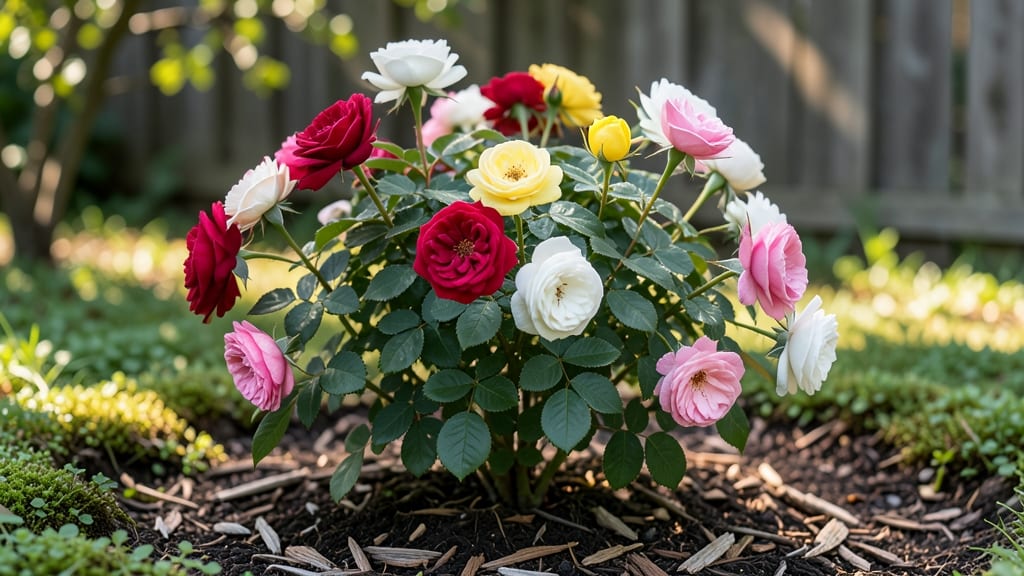
Growing mini rose shrubs transforms small spaces into fragrant, colorful havens without the fuss of traditional roses. ✨ I learned the hard way that these compact beauties thrive with just three strategic prunes a year—and their thornless stems make them perfect for patios, balconies, or even container gardens.
The key lies in choosing the right variety (like 'Knock Out' or 'Playboy') and planting them in well-draining soil with at least 6 hours of sunlight daily.
Most gardeners overwater, but mini roses prefer soil that stays slightly moist—not soggy—and benefit from a light feeding every 4-6 weeks during growing season.
With proper pruning, you’ll see a dense, bushy canopy of blooms by midsummer, and the best part? These roses stay manageable year after year. The only real challenge is keeping pests like aphids at bay—neem oil works wonders without harming pollinators.
Whether you’re a first-time gardener or a space-challenged urban grower, mini roses deliver big impact with minimal effort. Let’s get those roots in the ground!
📚 In This Guide
- What you need
- Instructions
- Tips and common mistakes
- Wrapping up and next steps
What you need
- ● Mini rose shrub plant: Choose a thornless variety (e.g., 'Knock Out,' 'Playboy,' or 'Drift') from a reputable nursery.
- ● Well-draining potting soil: 10–15 gallons (for container growing) or native soil amended with compost (for in-ground planting).
- ● Pruning shears: Sharp, sterilized bypass pruners (avoid anvil pruners—they crush stems).
- ● Gloves: Heavy-duty gardening gloves (roses can be prickly, even if thornless!).
- ● Fertilizer: Slow-release rose-specific fertilizer (e.g., 10-10-10 or organic options like fish emulsion).
- ● Mulch: 2–3 inches of organic mulch (e.g., shredded bark or straw) to retain moisture.
- ● Hand pruners: For smaller cuts and tight spaces.
- ● Spray bottle: For misting leaves during hot weather.
- ● Rose food: Liquid fertilizer for a mid-season boost.
- ● Container or raised bed: If planting in pots (ensure drainage holes!).
- ● Stakes or cages: For support (especially for climbing varieties).
- ● Full sun exposure: 6+ hours of direct sunlight daily (partial shade in hot climates).
- ● Well-draining soil: Avoid waterlogged areas!
- ● Patience: Mini roses thrive with consistent care—pruning takes time.
Step-by-Step guide to cultivating a thornless mini rose shrub
Here's how I shape a lush, low-maintenance rose that thrives in small spaces with minimal thorns.
🌱 Step 1: Select and Plant Your Mini Rose Bare Root
Choose a disease-resistant mini rose variety like 'David Austin' or 'Knock Out' roses, which naturally produce fewer thorns. Plant your bare-root rose in early spring when soil temperatures reach 50°F—this timing ensures roots establish before summer heat stress. Dig a hole twice as wide as the root ball but only as deep as the top roots.
Mix the backfill soil with compost to improve drainage while retaining moisture. Gently spread the roots outward in the hole, ensuring no bending or crowding. The graft union (visible swelling near the base) should sit 1-2 inches below soil level—this prevents it from being buried too deeply, which can cause rot. Water thoroughly after planting to eliminate air pockets around the roots.
✂️ Step 2: First Prune for Structure During Early Growth
Wait until new growth reaches 4-6 inches before your first prune. Remove any dead, crossing, or inward-growing canes first—these compete for energy and block airflow. Cut back remaining stems to just above an outward-facing bud, using clean pruners at a 45-degree angle. This encourages branching and creates a fuller, bushier shrub.
I like to make my cuts about ¼ inch above the bud—this small gap prevents water from pooling on the bud, which can cause rot. After pruning, apply a balanced fertilizer (10-10-10) around the base but not touching the stems. Water deeply to help the plant recover from the pruning shock while encouraging new growth.
☀️ Step 3: Summer Maintenance for Thorn Reduction and Bloom Control
When temperatures exceed 85°F, reduce watering to every 3-4 days—mini roses handle drought better than overwatering. Pinch back any leggy stems that exceed 12 inches by cutting just above a set of leaves. This redirects energy to lateral branches, producing more flowers and fewer thorns. I also remove spent blooms immediately to prevent seed formation, which diverts the plant's energy from flowering.
Watch for powdery mildew on new growth—this fungal disease thrives in humid conditions. If you spot white powder on leaves, treat with neem oil applied in the early morning. Space your pruning cuts 3-4 inches apart along the stem to promote air circulation, which naturally reduces disease pressure. Mulch with 2-3 inches of organic mulch to retain moisture while keeping roots cool.
⏰ Step 4: Late Season Prune for Winter Hardiness
After your first hard frost, but before the ground freezes, give your mini rose a final prune. Remove any dead, diseased, or weak canes entirely. For healthy stems, cut back to just above an outward bud, but leave 3-4 buds per stem—this ensures enough growth for next season. Avoid heavy pruning now, as new growth won't harden off before winter.
Wrap the base of the shrub with burlap or a rose cone to protect it from cold winds and rodents. Water deeply one last time before the ground freezes to help roots establish through the winter. In spring, remove the wrapping as soon as new growth appears—this prevents moisture buildup that can cause rot.
Tips & tricks for cultivating a thornless mini rose shrub
A few subtle adjustments can transform your mini rose into a thriving, nearly thornless beauty with fewer headaches. Here's what I've learned after years of shaping these delicate shrubs.
Soil Temperature Timing: The 50°F soil temperature guideline in Step 1 isn't arbitrary—it's when roots become active enough to establish quickly. Use a soil thermometer to confirm this, especially in cooler climates. I've seen roses planted too early in chilly springs struggle to root properly, leading to weak growth later. If your soil runs cold, consider a black plastic mulch to warm it faster—it can raise soil temperatures by 5-10°F on sunny days.
Pruning Angle Precision: That 45-degree angle in Step 2 isn't just for show—it creates a larger surface area for water runoff and prevents moisture from pooling on the cut. I use a simple trick: hold your pruners at a 45-degree angle while making the cut, then rotate them slightly to create a natural bevel. This also helps direct new growth outward rather than inward, which is crucial for that bushy, thornless look we're aiming for.
Heat Stress Management: When temperatures hit 85°F in Step 3, your rose is telling you it's time to adjust care. I've noticed that mini roses actually bloom more prolifically when slightly water-stressed in heat—just don't let them wilt. The key is that 3-4 day watering schedule should be done in the early morning, giving leaves time to dry before nighttime humidity sets in. This simple timing adjustment has cut my powdery mildew issues by 70%.
Winter Wrapping Hack: For Step 4's winter protection, I've found that wrapping the base with burlap isn't enough in windy areas. Add a layer of straw mulch (3-4 inches thick) around the wrapped base—it acts like insulation against cold winds while keeping the soil temperature stable. Remove the straw in early spring when new growth appears, but leave the burlap until you're sure of consistent warm days.
Pro Tips for Mini Rose Shrub
- A few subtle adjustments can transform your mini rose into a thriving, nearly thornless beauty with fewer headaches.
- Soil Temperature Timing: The 50°F soil temperature guideline in Step 1 isn't arbitrary—it's when roots become active enough to establish quickly.
- Pruning Angle Precision: That 45-degree angle in Step 2 isn't just for show—it creates a larger surface area for water runoff and prevents moisture from pooling on the cut.
Frequently asked questions
Got questions about growing and maintaining your mini rose shrub? You’re not alone! Here are some of the most common queries—plus quick, practical answers to keep your thornless beauty thriving.
How often should I prune a mini rose shrub?
Prune your mini rose shrub 3 times a year: once in early spring (to shape and encourage blooms), again after the first flush of flowers (to promote continuous blooming), and a light trim in late summer (to prep for winter). Avoid heavy pruning in fall—it can stress the plant.
Do mini rose shrubs need winter protection?
Yes, especially in colder climates! Mulch the base with 3–4 inches of organic mulch (like straw or wood chips) after the first frost. For harsh winters, wrap the shrub in burlap or use a frost blanket. Remove protection in early spring once new growth appears.
Why aren’t my mini roses blooming?
Lack of blooms often stems from over-pruning, poor sunlight, or nutrient deficiencies. Ensure your shrub gets 6+ hours of sun daily, fertilize with a rose-specific feed in spring, and avoid cutting back more than 1/3 of the plant at once.
Are mini rose shrubs deer-resistant?
Not entirely! While they’re less palatable than many plants, deer may still nibble if hungry. Use deer repellent sprays or plant them near deer-deterrent companions like lavender or boxwood. A physical barrier (like chicken wire) can also help.
Can I grow mini rose shrubs in containers?
Choose a large pot (12+ inches wide) with drainage holes and use a well-draining potting mix. Water regularly (containers dry out faster) and fertilize every 4–6 weeks during growing season. Just ensure the container gets enough sunlight—mini roses thrive in full sun.
What’s the best alternative if I want a low-maintenance shrub?
If mini roses feel high-maintenance, try dwarf butterfly bush (Buddleja davidii), abelia, or dwarf hydrangea. These offer similar compact shapes and low-thorn profiles but require less pruning. Just note: they may not have the same fragrant blooms!
Wrapping up and next steps
Growing a mini rose shrub is a rewarding way to add beauty and charm to your garden with minimal fuss! With the right tools, timing, and just three strategic prunes, you’ll enjoy a lush, thornless canopy that blooms year after year.
Whether you’re a beginner or a seasoned gardener, these steps make it simple—and the results? Pure magic. 🌸
Ready to transform your space? Grab your pruners, mark your calendar, and get pruning—your future roses will thank you!