
Planting
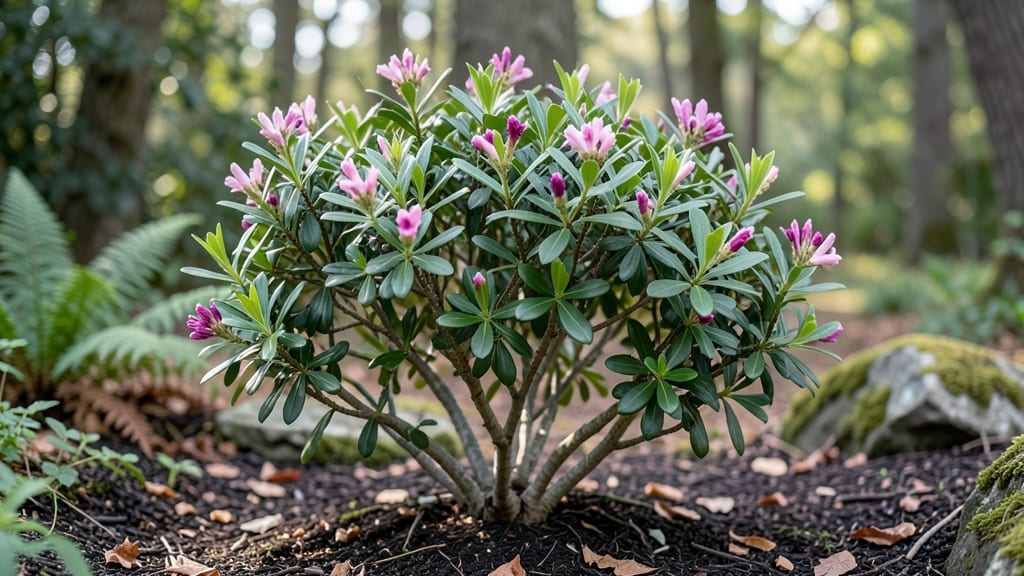
Your fragrant daphne shrub plant will transform your garden into a springtime perfume factory—if you nail the three pruning seasons that keep it thriving. ✨ I learned the hard way that skipping pruning means fewer blooms and scraggly growth, but once I mastered the timing, my daphne became the most fragrant corner of my yard every spring.
The secret starts with well-draining soil and full sun to partial shade—daphne loves it moist but hates soggy roots. Plant in early fall or spring, and water deeply but infrequently once established. Overwatering is the #1 killer, so let the top inch dry out between drinks.
By late winter, you’ll see those first delicate buds forming. That’s your cue to prune lightly to encourage bushier growth. Repeat in early summer after flowering and again in fall to shape the plant. Each cut opens the door to more blooms next season.
Works beautifully as a hedge, foundation planting, or standalone specimen. Here’s how to keep it lush and fragrant year after year—without the guesswork.
📚 In This Guide
- What you need
- Instructions
- Tips and common mistakes
- Wrapping up and next steps
What you need
- ● Daphne shrub plant: Choose between Daphne odora (winter-flowering) or Daphne mezereum (spring blooms). Buy from a reputable nursery (1–3 plants, depending on desired coverage).
- ● Well-draining soil: Mix 50% garden soil with 50% organic matter (compost or leaf mold). Avoid heavy clay!
- ● Mulch: 2–3 inches of organic mulch (pine bark or wood chips) to retain moisture and regulate temperature.
- ● Slow-release fertilizer: Balanced 10-10-10 or acid-loving plant fertilizer (apply sparingly in early spring).
- ● Garden trowel or spade: For planting and soil prep.
- ● Pruning shears: Bypass pruners (sharp, clean, and sterilized with rubbing alcohol).
- ● Gloves: Heavy-duty to protect from thorns (especially Daphne mezereum).
- ● Watering can or hose: With a gentle spray nozzle for hydration.
- ○ pH test kit (optional): Daphne thrives in acidic soil (pH 5.0–6.5).
- ● Sunlight: Partial shade (4–6 hours of morning sun) or dappled light (avoid harsh afternoon sun).
- ● Climate: Hardy in USDA Zones 5–9 (protect from frost if in Zone 5).
- ● Space: 3–6 feet wide and 3–5 feet tall at maturity (plan spacing for airflow).
- ● Toxicity awareness: Daphne mezereum is toxic if ingested—keep away from pets/kids!
How to prune Daphne shrubs for year-round fragrance
Here’s how I keep my daphne shrubs blooming lushly through all three pruning seasons—no guesswork, just results.
✂️ Step 1: Light Pruning After Spring Blooms
Once your daphne finishes flowering in late spring, it’s time for the first prune. I wait until after all blooms have faded—usually 4-6 weeks post-bloom—when you’ll notice new growth starting at the tips of branches. This ensures you don’t cut off next year’s flower buds, which form on last year’s wood.
Use clean, sharp pruners to trim back any dead or crossing branches first. Then, cut back 1/3 of the oldest stems to the base. Daphne responds well to this renewal prune, and you’ll see fresh, vigorous growth within weeks. Avoid heavy pruning now—just shape lightly and remove any leggy stems that spoil the canopy’s neat form.
✂️ Step 2: Summer Maintenance for Airflow
Mid-summer is about preventative care, not aggressive pruning. I focus on removing any branches that look crowded or are growing inward. Daphne’s fragrant blooms thrive when air circulates freely, so thin out stems that rub against each other. You’ll spot these easily—they’ll have yellowing leaves or small wounds where they touch.
Don’t cut more than 10-15% of the plant’s total growth in summer. Instead, just snip off the tips of overly long branches to encourage bushier growth. This keeps the shrub compact and prevents disease from trapped humidity. Water deeply after pruning to help the cuts heal faster.
✂️ Step 3: Heavy Renewal Prune in Late Winter
The most dramatic prune happens in late winter, just as new growth begins—6-8 weeks before your last frost date. This is when daphne’s dormant season ends, and you’ll see tiny buds swelling along the stems. Prune back 1/3 of the oldest stems to the ground, and trim the remaining branches by half their height to encourage a dense, fragrant canopy.
I like to shape the shrub into a rounded mound at this stage, which maximizes bloom exposure. After pruning, apply a 2-3 inch layer of mulch around the base to protect roots from freezing temperatures. Daphne’s flowers form on last year’s growth, so this winter prune sets the stage for next spring’s spectacular display.
🌱 Step 4: Post-Prune Care for Strong Regrowth
After any major pruning, daphne needs extra attention to bounce back. Water deeply once a week until new growth appears—usually within 3-4 weeks. I also fertilize lightly with a balanced 10-10-10 formula in early spring to support the fresh flush of leaves and buds.
Watch for new shoots emerging from the base or along the stems. These are your signal that the prune worked! If you see any blackened or mushy cuts, it’s a sign of infection—trim those areas immediately and avoid watering overhead to keep the wounds dry. Daphne is tough, but it rewards careful aftercare with years of fragrant blooms.
Tips & tricks for perfect Daphne shrub pruning
These practical insights will help you keep your daphne shrubs thriving with minimal effort—and maximum fragrance.
Timing is Everything: The 4-6 week window after spring blooms is critical for Step 1. I mark my calendar after the last flower falls to avoid cutting off next year's buds. If you're unsure, look for new growth at branch tips—this confirms it's safe to prune. For late bloomers, extend this window by 1-2 weeks, but never prune when buds are still visible.
Tool Prep Matters: Before you start Step 1 or Step 3, clean your pruners with rubbing alcohol to prevent disease spread. I also sharpen my blades annually—dull tools crush stems instead of making clean cuts. For larger branches, use loppers with bypass blades to avoid tearing the bark, which can invite pests.
Visual Cues for Summer Pruning: In Step 2, look for these signs of overcrowding: branches rubbing together, yellowing leaves, or small wounds where stems touch. I like to step back and photograph my shrub from all angles before pruning—this helps me spot hidden problem areas. Remember, you're aiming for a 10-15% reduction, not a drastic makeover.
Winter Pruning Strategy: When shaping your daphne in Step 3, focus on creating a rounded mound rather than a perfect geometric shape. This natural form allows better air circulation while maximizing bloom exposure. I find that pruning to an outward-facing bud encourages new growth in the right direction—just look for those tiny swellings along the stems.
Pro Tips for Daphne Shrub Plant
- These practical insights will help you keep your daphne shrubs thriving with minimal effort—and maximum fragrance.
- Timing is Everything: The 4-6 week window after spring blooms is critical for Step 1.
- Tool Prep Matters: Before you start Step 1 or Step 3, clean your pruners with rubbing alcohol to prevent disease spread.
Frequently asked questions
How often should I prune my Daphne shrub?
Prune your Daphne twice a year: right after flowering (late spring) and again in early fall. This timing ensures you don’t cut off next year’s blooms while keeping the shape tidy. Avoid heavy pruning in winter—Daphne is dormant and sensitive to cold stress!
Can Daphne shrubs survive winter in cold climates?
Most Daphne varieties (like Daphne odora) are hardy in USDA Zones 7-9. For colder areas (Zone 6 or below), mulch heavily and protect with burlap if frost threatens. Choose Daphne × burkwoodii—it’s the hardiest option, tolerating down to -15°F (-26°C)!
Why aren’t my Daphne flowers blooming?
Lack of blooms often stems from over-pruning or poor sunlight. Daphne loves full sun to partial shade—if it’s too shady, it may skip flowers. Also, feed with acid-loving plant fertilizer in early spring to encourage robust growth (and blooms!).
Are Daphne shrubs prone to pests or diseases?
While generally pest-resistant, Daphne can attract aphids or spider mites if stressed. Treat with neem oil if you spot them. Root rot is the biggest disease risk—ensure well-draining soil and avoid soggy conditions. Yellow leaves? Likely overwatering!
What’s a good alternative if my Daphne isn’t thriving?
If your Daphne struggles with your climate or soil, try these fragrant, low-maintenance shrubs:
- Pieris japonica (hardy, evergreen, white blooms)
- Abelia grandiflora (tough, blooms summer-fall)
- Viburnum odoratissimum (sweetly fragrant, shade-tolerant)
Wrapping up and next steps
From fragrant blooms to pruning precision, the Daphne shrub is a rewarding addition to any garden—if you know how to nurture it through its three key pruning seasons. 🌿 Whether you’re a beginner or a seasoned gardener, mastering these techniques ensures a lush, fragrant canopy year after year.
Now that you’re armed with the right tools and timing, it’s time to roll up your sleeves and give your Daphne the care it deserves!
Ready to transform your outdoor space? Start with one small step:
- 📅 Mark your calendar for early spring, summer, and late winter—your Daphne’s pruning schedule awaits!
- 🌱 Observe your plant’s growth and adjust as needed; every garden is unique!