
Shrubs
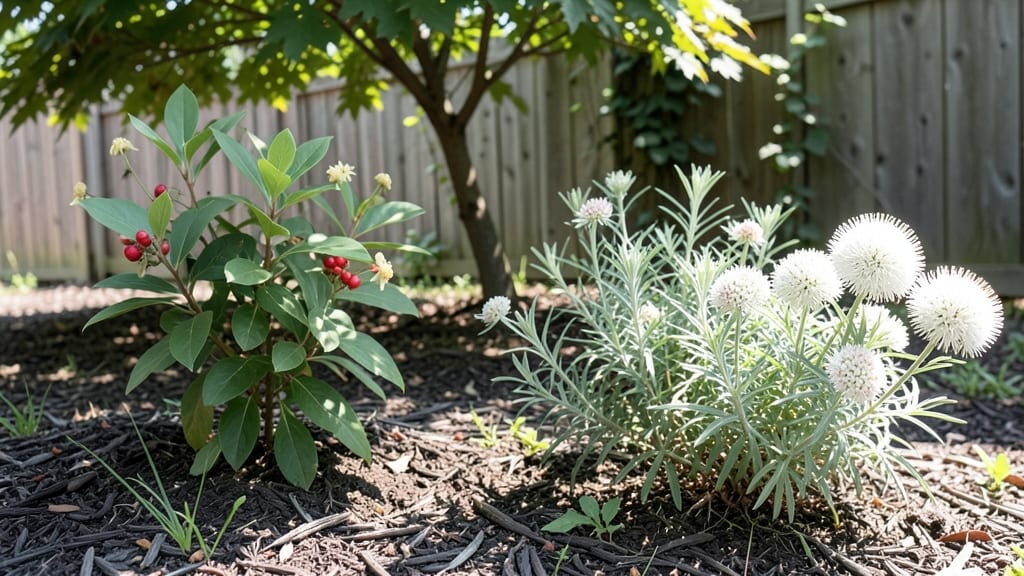
The identification of Michigan shrubs can turn a confusing tangle of stems into a rewarding puzzle—each leaf shape and flower cluster tells a story about the plants thriving right under your nose. 🌿 I’ve spent years sorting through my own yard’s mix. of native and invasive shrubs, and once you learn the key traits, you’ll spot them everywhere: the jagged edges of a serviceberry leaf or the fuzzy catkins of a staghorn sumac.
These plants aren’t just survivors—they’re the backbone of Michigan’s wildlife habitats and the easiest way to add year-round interest to your landscape.
Start with the basics: leaf arrangement (opposite or alternate), edge shape (smooth, serrated, lobed), and flower structure (clusters, single blooms, or cones). A simple magnifying glass helps spot tiny details like hairy stems or waxy coatings that make identification foolproof.
For example, the smooth, oval leaves of a winterberry holly stay bright red into winter, while the fragrant white flowers of a spicebush appear in early spring—both dead giveaways for native species.
Most of these shrubs handle Michigan’s harsh winters with ease, so once you know what to look for, your property becomes a living field guide.
You’ll quickly learn which shrubs belong in your yard and which should stay in the wild. Serviceberries produce edible fruit, while chokecherries need pruning to stay tidy, and buttonbush thrives in wet areas where other plants fail.
By the end, you’ll confidently match leaves to names and know exactly where to plant each species for maximum impact. The best part? These shrubs require minimal care once established—just the right spot and occasional pruning to keep them looking their best.
This guide works for gardeners in all of Michigan’s climate zones, from the Upper Peninsula’s cooler temps to southern Michigan’s hotter summers. Whether you’re restoring a native landscape or just curious about the plants growing wild in your neighborhood, these identification tips will transform your walks into a discovery tour.
Grab a notebook and let’s get started—your yard’s secret shrubs won’t stay hidden for long.
📚 In This Guide
- What you need
- Instructions
- Tips and common mistakes
- Wrapping up and next steps
What you need
- ● Field Guide or App: A printed guide (e.g., Michigan Wildflowers & Shrubs) or a smartphone app like iNaturalist or PictureThis for instant ID help.
- ● Magnifying Glass: A 10x handheld magnifier to inspect leaf veins, bark texture, and tiny details (e.g., blank">National Geographic 10x).
- ● Notebook & Pen: A waterproof journal (e.g., Rite in the Rain) to jot down notes on height, color, and habitat.
- ● Ruler or Measuring Tape: A 6-inch ruler (for leaves/stems) or a 10-foot tape measure (for shrub height).
- ● Camera or Smartphone: For close-up shots of flowers, buds, and bark—use natural light!
- ● Pruning Shears: Small, sharp shears (e.g., Fiskars 8-inch) to snip a leaf or twig for texture checks.
- ● Gloves: Lightweight gardening gloves (e.g., Cotton or nitrile-coated) to protect from thorns or sap.
- ● Trowel or Spade: A 6-inch trowel to gently dig a small sample (if needed) to check roots.
- ● UV Flashlight: Reveals hidden patterns in leaves (e.g., blank">Black Diamond Spot 400).
- ● Field Press: A lightweight plant press (e.g., National Geographic) to preserve samples for later study.
- ● Local Flora Map: A printed MDNR (Michigan DNR) habitat map to cross-reference shrub locations.
- ● Binoculars: 8x42 magnification to spot shrubs in wooded or elevated areas.
How to identify Michigan native shrubs in the wild
Here's my go-to method for spotting and distinguishing Michigan's toughest native shrubs—no botanist degree required.
🌿 Step 1: Master the Leaf Shape and Arrangement Clues
Start with leaves—they're your best ID shortcut. Michigan's native shrubs often have distinctive leaf patterns. For example, serviceberry leaves are oval with finely serrated edges and grow alternately along the stem, while wintergreen leaves are round, waxy, and arranged in a rosette at the base. I always check leaf arrangement first: opposite leaves (like spicebush) mean two leaves grow directly across from each other at each node.
Run your fingers along a stem and count leaf pairs. If leaves alternate, note their shape—needle-like (like lowbush blueberry), lobed (like staghorn sumac), or smooth-edged. Pro tip: Crushed leaves often release scents—spicebush smells like licorice, wintergreen like mint. This sensory trick works even when leaves are dry.
🌱 Step 2: Observe Bark and Branch Patterns
Bark texture becomes your secret weapon in winter when leaves are gone. Ironwood (aka hop hornbeam) has shaggy, peeling bark that looks like elephant skin, while silky dogwood sports smooth, silvery-gray bark that peels in long strips. I always examine branch patterns too—sumacs have red, fuzzy twigs, and buttonbush has distinctive knobby buds that look like tiny buttons.
Look for lenticels (those tiny raised dots on branches) on chokecherry—they're a dead giveaway. Scratch the bark: if it's green underneath (like wintergreen), that's your plant. For blackhaw viburnum, watch for the zigzag branch pattern that's unique among Michigan shrubs. This step is where I catch most mistakes—assuming a shrub is one thing because of leaves, only to find the bark tells a different story.
☀️ Step 3: Time Your Search with Flower and Fruit Seasons
Timing is everything. In late spring, look for wild raisin (Viburnum cassinoides) with its flat-topped white flower clusters that smell like vanilla. By early summer, black chokecherry bursts with white blossoms followed by dark purple berries. I always make a mental note: "If I see these berries in July, it's definitely chokecherry." In fall, sumacs turn fiery red while serviceberries produce small, edible fruits that birds love.
Don't overlook winter clues—dogwood berries often persist through snow, and wintergreen leaves stay green underfoot. I carry a small notebook to jot down when I see flowers/fruit, as this narrows options dramatically. For example, if you spot white flowers in May but no berries until August, it's likely highbush cranberry (Viburnum trilobum).
⏰ Step 4: Check Growth Habit and Habitat Preferences
Where a shrub grows tells you a lot. Swamp shrubs like winterberry holly love wet feet, while upland species such as new jersey tea thrive in dry, sandy soils. I notice sumacs often dominate disturbed areas, while serviceberries grow under oaks in rich woodland soil. Look at the overall shape: buttonbush grows in rounded clumps, while silky dogwood has an open, airy habit.
Height matters too—ironwood stays under 10 feet, while blackhaw viburnum can reach 15 feet. If you see a shrub with arching branches and red stems, it's probably red osier dogwood. Pay attention to how it interacts with its neighbors: spicebush often grows in colonies, while wintergreen prefers shady, acidic soils. This habitat check eliminates half the possibilities right away.
🪴 Step 5: Verify with Twig and Bud Characteristics
Examine the twigs closely—chokecherry has bitter almond-scented twigs when crushed, while black cherry smells sweet. Buttonbush has distinctive, rounded buds that look like tiny buttons. I always check bud arrangement: opposite (like spicebush) or alternate (like serviceberry). For winterberry holly, look for the spiny leaves and bright red berries that persist through winter.
Here's my foolproof trick: snap a twig and look at the pith (the center). If it's chambered (like ironwood), it's a member of the birch family. If it's solid, it's likely a viburnum. I keep a small magnifying glass in my pocket for this step—it's worth the investment. When in doubt, take a photo and compare with a field guide later.
Tips & tricks for mastering Michigan native shrub identification
These field-tested tips will help you spot Michigan's native shrubs with confidence, even when they look confusingly similar.
Leaf Arrangement is Your First Clue: In Step 1, when checking leaf arrangement, remember that opposite leaves (two leaves growing directly across from each other) immediately narrow your options to shrubs like spicebush or silky dogwood. I always run my fingers along the stem to count leaf pairs—this simple action eliminates half the possibilities right away. For example, serviceberry's alternate leaves with serrated edges are completely different from wintergreen's rosette pattern at the base. This visual trick saves me from overthinking every single shrub I encounter.
Seasonal Timing is Everything: Step 3's seasonal clues are where I catch most identification mistakes. I keep a small notebook to record when I see flowers or fruit—this creates a timeline that narrows options dramatically. For instance, if you spot white flowers in May but no berries until August, it's almost certainly highbush cranberry. I've seen beginners assume a shrub is one species in summer only to discover it's something completely different in winter when the leaves are gone. Timing is your secret weapon for eliminating possibilities.
Bark Texture Reveals Winter Secrets: When leaves disappear in winter, bark becomes your best friend in Step 2. I've made the mistake of assuming a shrub's identity based on summer leaves, only to realize in winter it was something completely different. The shaggy, peeling bark of ironwood or the smooth silver-gray bark of silky dogwood are unmistakable once you know what to look for. Pro tip: Scratch the bark—if it's green underneath like wintergreen, that's your plant. This simple test works even when everything else looks confusing.
Habitat Hints Tell the Whole Story: Step 4's habitat preferences often give away the identity before you even examine the plant. I notice that sumacs dominate disturbed areas while serviceberries grow under oaks in rich woodland soil. The height and growth habit also matter—buttonbush's rounded clumps or red osier dogwood's arching branches are distinctive once you know what to watch for. Pay attention to how the shrub interacts with its neighbors: spicebush often grows in colonies, while wintergreen prefers shady, acidic soils. This habitat check eliminates half the possibilities right away.
Pro Tips for Michigan Shrubs Identification
- These field-tested tips will help you spot Michigan's native shrubs with confidence, even when they look confusingly similar.
- I always run my fingers along the stem to count leaf pairs—this simple action eliminates half the possibilities right away.
- Seasonal Timing is Everything: Step 3's seasonal clues are where I catch most identification mistakes.
Frequently asked questions
Got questions about identifying Michigan shrubs? You’re not alone!
Here are answers to the most common queries—from seasonal care to troubleshooting—so you can confidently spot, plant, and maintain native shrubs in your yard.
What’s the best time of year to plant Michigan native shrubs?
Fall (September–November) is ideal! Cooler temps and moist soil help roots establish before winter. Spring planting (March–April) works too, but avoid extreme heat or drought. Pro tip: Water deeply after planting and mulch to retain moisture.
How do I tell the difference between a sumac and a staghorn sumac?
Both are common in Michigan, but staghorn sumac (Rhus typhina) has velvety, rusty-red stems and hairy leaves, while smooth sumac (Rhus glabra) has smooth, green stems. Staghorn’s berry clusters also form horn-like shapes! Compare leaves and bark closely.
Are Michigan native shrubs truly cold-hardy? What zones do they thrive in?
Most Michigan natives handle USDA Zones 4–6 with ease. Species like spicebush and winterberry tolerate -30°F, while butterfly bush (Zone 5) needs winter protection in colder microclimates. Pro tip: Mulch heavily in late fall for extra insulation.
Why are my shrubs losing leaves early, or what pests should I watch for?
Early leaf drop often signals spider mites, aphids, or fungal diseases (like powdery mildew). Check for yellowing, webbing, or sticky residue. Treat mites with horticultural oil; aphids respond to soapy water sprays. Preventative tip: Prune for airflow and avoid overhead watering.
Can I replace invasive shrubs (like burning bush) with native alternatives?
Yes! Swap Euonymus alatus (burning bush) for native viburnums (like Viburnum lentago) or serviceberry (Amelanchier). Natives support wildlife, require less maintenance, and thrive in Michigan’s climate. Bonus: Check local nurseries for certified native stock!
How do I measure a shrub’s mature size before planting?
Check the plant tag or species database for width × height (e.g., "6’ tall × 5’ wide"). For example, highbush blueberry needs 6–8’ spacing, while dwarf ninebark stays compact (3–4’). Design tip: Sketch your landscape to avoid overcrowding.
Wrapping up and next steps
Identifying Michigan’s native shrubs is your first step toward creating a thriving, low-maintenance landscape that supports local wildlife and boosts biodiversity! 🌿 From the vibrant Viburnum to the hardy Spicebush, these cold-hardy species offer beauty, resilience, and ecological benefits year-round.
Now that you’re equipped with visual cues and key traits, why not take the next step?
🌱 Ready to Explore Further?
- Plant a few: Start small with one or two shrubs in your garden—visit local nurseries specializing in native plants for healthy, region-appropriate specimens.
- Join a community: Connect with Michigan gardening groups (online or in-person) to swap tips, share photos, and learn from fellow enthusiasts.
- Go on a scavenger hunt: Grab a notebook and explore local parks or trails to spot these shrubs in the wild—turn identification into an adventure!
Your green thumb and curiosity are all you need to make a difference—one shrub at a time! 🌟