
Plants
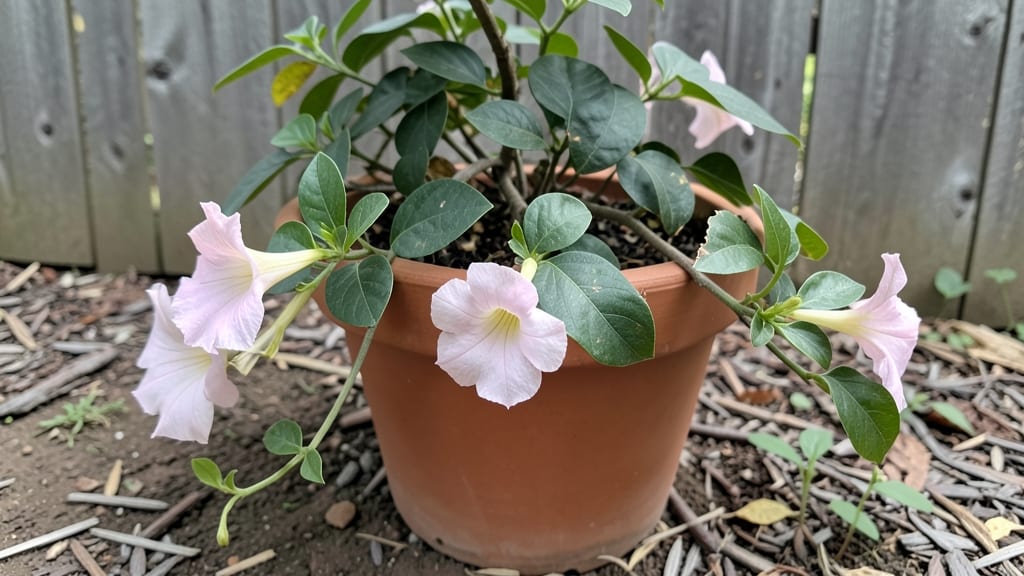
Caring for a mandevilla vine transforms any space into a tropical oasis with glossy, deep green leaves and clusters of trumpet-shaped blooms that last all summer. 🌿 I’ve grown these vines for years, and the secret to their effortless beauty lies in just a few key habits—like watering only when the top inch of soil feels dry and giving them bright, indirect light.
Most people overwater or underlight them, which is why so many struggle with droopy leaves or sparse flowers.
The right setup makes all the difference: a well-draining potting mix, a container with drainage holes, and a spot where they’ll get at least 6 hours of morning sun (afternoon shade in hot climates).
Pruning after blooming encourages bushier growth, and a light fertilizer feed every 4-6 weeks keeps them thriving. Once you nail these basics, your mandevilla will reward you with nonstop blooms from spring through fall—and minimal fuss in between.
You’ll notice the difference within weeks: vibrant new growth, fuller foliage, and flowers that seem to multiply overnight. The best part? These vines handle neglect better than most tropicals—just don’t let them sit in soggy soil or freeze, and you’re golden.
Even black thumbs can keep these alive, which is why they’re a favorite for patios, balconies, and even indoor growing under grow lights.
Whether you’re dealing with leggy growth, yellowing leaves, or pests, there’s a simple fix. Let’s troubleshoot the most common issues so your mandevilla stays lush and blooming all season long—no guesswork required.
📚 In This Guide
- What you need
- Instructions
- Tips and common mistakes
- Wrapping up and next steps
What you need
- ● Mandevilla Vine Plant: Choose a healthy, well-rooted vine (potted or bare-root). Opt for varieties like Mandevilla sanderi (red) or Mandevilla boliviana (pink) for vibrant blooms!
- ● Well-Draining Potting Mix: 1 gallon (or size of your pot) of a mix designed for tropical plants or succulents. Pro tip: Amend with perlite or orchid bark (20-30%) for aeration!
- ● Pot with Drainage Holes: A container 1-2 inches larger than the plant’s root ball (e.g., 10-12” diameter for mature vines). Terracotta or fabric pots work great!
- ● Balanced Fertilizer: 10-10-10 or 20-20-20 NPK fertilizer (diluted to half-strength). Organic options like fish emulsion or compost tea are also ideal.
- ● Pruning Shears: Sharp, clean shears (sterilized with rubbing alcohol) for trimming dead or leggy growth.
- ● Support Structure: A trellis, obelisk, or sturdy stake (3-6 feet tall) for climbing vines. Bamboo or metal cages work too!
- ● Watering Can or Hose with Gentle Nozzle: Avoid overhead watering to prevent fungal issues.
- ● Mulch: Pine bark or coconut coir to retain moisture and regulate soil temperature.
- ● Slow-Release Fertilizer Pellets: Mix into soil for low-maintenance nutrition (e.g., Osmocote).
- ● Grow Lights: LED grow bulbs (if indoors with <10 hours of sunlight/day).
- ● Humidity Tray: A pebble tray with water to boost humidity in dry climates.
- ● Plant Food Spikes: Convenient for monthly feeding (e.g., Miracle-Gro spikes).
Step-by-step instructions for mandevilla vine care
Let's get your mandevilla thriving with just a few key moves—sunlight, water, and a little pruning magic.
💧 Step 1: Master Watering for Lush Growth
Water your mandevilla when the top 1-2 inches of soil feel dry to the touch. Stick your finger in the soil—if it's damp, wait another day. Overwatering is the fastest way to kill these beauties, so always let excess water drain completely from the pot.
In summer, you might water every 2-3 days, but in winter or cooler months, cut back to once a week or less. Yellowing leaves? That's your sign to ease up on the water. Drooping? Time to hydrate gently—soak the pot in a tub of water for 10-15 minutes to revive it.
☀️ Step 2: Position for Bright, Indirect Light
Mandevillas crave bright, indirect light—think morning sun or filtered afternoon light. A south- or west-facing window is ideal, but avoid harsh midday rays that can scorch those gorgeous blooms. If you notice leaves turning pale or stems stretching too long, your plant needs more light.
Outdoor growers? Move your mandevilla outside in spring after the last frost, but bring it indoors before temperatures dip below 50°F. These tropical beauties won’t survive frost—ever. A covered patio or balcony works great, but watch for sudden weather shifts.
✂️ Step 3: Prune for Fullness and More Flowers
Prune your mandevilla in early spring to encourage bushier growth. Cut back one-third of the plant to just above a leaf node—this is where new branches will sprout. Use clean, sharp pruners to make clean cuts, and don’t worry about losing flowers; you’ll get even more later in the season.
Deadhead spent blooms regularly to redirect the plant’s energy into new flowers. Pinch off wilting flowers at the base with your fingers or snips. This simple habit keeps your mandevilla looking fresh and flowering like crazy all summer long.
🪴 Step 4: Feed for Vibrant Blooms
Use a balanced, water-soluble fertilizer (like 20-20-20) every 2 weeks during spring and summer to fuel those stunning blooms. Dilute it to half-strength to avoid burning the roots. In fall and winter, cut back to once a month or stop fertilizing altogether.
I like to fertilize in the morning so the plant has time to absorb nutrients before the heat of the day. If you see yellow leaves or stunted growth, your mandevilla might be hungry—time to boost that fertilizer dose slightly. Always water before and after feeding to help the roots absorb nutrients.
Tips & tricks for perfect mandevilla vine care
Here's what nobody tells you about keeping your mandevilla thriving without the guesswork.
Soil Check Technique: Instead of just sticking your finger in the soil, I like to use a chopstick or clean wooden skewer to test moisture at the 1-2 inch mark—it's less messy and gives you a better sense of what the roots are experiencing. If the skewer comes out clean, it's time to water. This method also helps you avoid compacting the soil with your fingers, which can disrupt root growth.
Light Positioning: If your mandevilla starts stretching toward the light with long, bare stems (a condition called etiolation), it's time to rotate the pot a quarter turn every few days. This ensures even growth and prevents the plant from becoming lopsided. I also recommend placing it near an east-facing window first to acclimate it gradually to brighter light conditions.
Pruning Strategy: When you're pruning that one-third of the plant in Step 3, save those cuttings! Place them in water and they'll root within a few weeks—you'll have baby mandevillas ready to pot up. Just make sure to use clean, sharp pruners and cut at a 45-degree angle just above a leaf node to encourage new growth. Don't worry about losing flowers during this process; the plant will reward you with even more blooms later in the season.
Fertilizer Timing: The 2-week spring/summer feeding schedule is perfect, but here's a pro tip: if you notice new growth slowing down, it might be time for a boost. I like to do a quick soil test with my finger—if the soil feels dry at the 1-2 inch mark, it's time for that fertilizer. Always water thoroughly before and after applying fertilizer to help the roots absorb nutrients efficiently, especially during those hot summer days.
Pro Tips for Mandevilla Vine Care
- Here's what nobody tells you about keeping your mandevilla thriving without the guesswork.
- If the skewer comes out clean, it's time to water.
- Light Positioning: If your mandevilla starts stretching toward the light with long, bare stems (a condition called etiolation), it's time to rotate the pot a quarter turn every few days.
Frequently asked questions
about Mandevilla vine care—because even the most stunning plants need a little extra love! Here are answers to the top questions to keep your vine thriving with ease.How often should I water my Mandevilla vine?
Water your Mandevilla when the top 1-2 inches of soil feel dry. Overwatering is the #1 killer—aim for 1-2 times per week in warm weather, but adjust for humidity or rain. Drought-tolerant once established, but never let it sit in soggy soil!
Can Mandevillas survive winter outdoors?
Nope! These tropical beauties hate frost—they’re USDA Zones 9-11 only. In colder climates, dig up pots and move them indoors (bright, cool spot) or prune back and store in a dark, dry place until spring. Pro tip: Use mulch to protect roots if you must leave them outside briefly.
Why are my Mandevilla leaves turning yellow?
Yellow leaves usually mean overwatering or poor drainage. Check soil moisture first—if soggy, reduce watering. Other culprits: nutrient deficiency (feed with balanced fertilizer every 4-6 weeks) or pests like spider mites. Trim affected leaves to encourage new growth.
How do I make my Mandevilla bushier?
Prune strategically! Cut back leggy stems by ⅓ in spring to encourage branching. Pinch tips of new growth to promote fuller foliage. Feed with high-phosphorus fertilizer (like 10-30-20) to boost blooms and bushiness. Bonus: Rotate pots occasionally for even growth!
What pests should I watch for?
Keep an eye out for aphids, mealybugs, or spider mites—they love Mandevillas! Blast off pests with a soapy water spray or neem oil. Prevention tip: Inspect new plants before bringing them home and prune crowded vines to improve airflow.
Wrapping up and next steps
Caring for a Mandevilla vine is a rewarding journey that brings vibrant blooms with surprisingly little effort! 🌸 With the right balance of sunlight, water, and occasional pruning, you’ll enjoy lush growth and stunning flowers all season long. Remember, these tropical beauties thrive on consistency—not perfection.
Now that you’re armed with expert tips, why not take the next step? Share your progress with fellow plant lovers or experiment with training your vine to climb a trellis for a dramatic display. Happy gardening—your Mandevilla is ready to shine! ✨