
Diseases
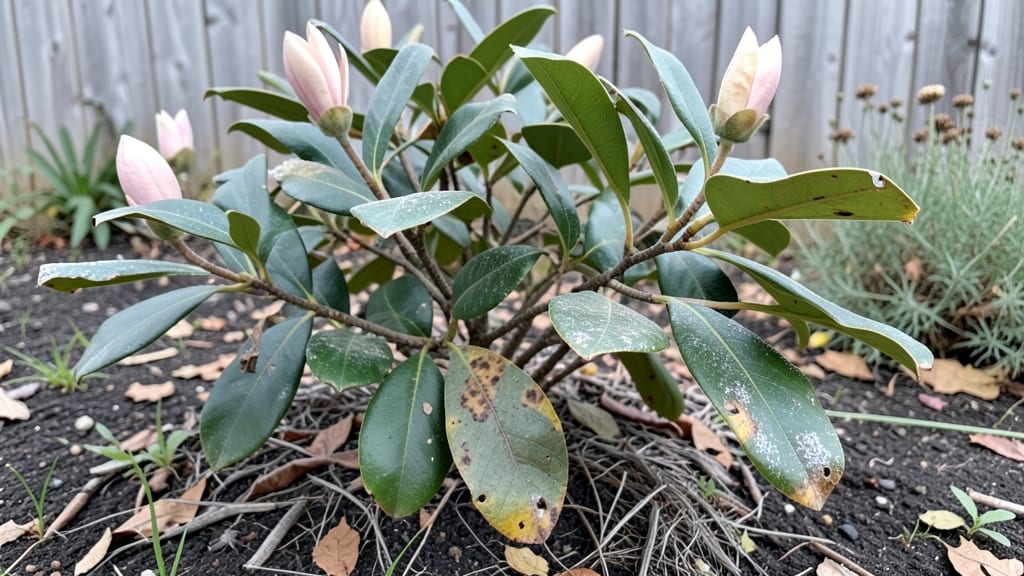
Those white powdery spots on your magnolia shrub aren’t just unsightly—they’re a sign of diseases taking hold, and ignoring them could leave your plant fighting for its life. 🌿 I’ve watched powdery mildew and anthracnose turn once-vibrant magnolias into skeletal shadows, but early action can reverse the damage.
The key lies in recognizing the subtle signs before they spread: yellowing leaves, blackened stems, or sticky residue that signals bacterial trouble.
Most magnolia diseases start with the same culprits: too much moisture, poor airflow, or stressed plants from drought or overwatering.
I learned the hard way that fungicides alone won’t fix a problem rooted in bad habits—you’ve got to adjust watering, prune for airflow, and clean up fallen leaves where spores hide. Think of it like giving your magnolia a health checkup before symptoms become severe.
With the right mix of prevention and quick treatment, you can save even severely affected plants. I’ve revived magnolias with a simple spray of neem oil and baking soda, or by cutting out infected branches before the disease spreads.
The goal isn’t just to treat—it’s to create conditions where your magnolia thrives naturally, so diseases never get a foothold.
This isn’t about fear—it’s about empowerment. Whether you’re dealing with powdery mildew in humid summers or anthracnose after rainy springs, the same principles apply. Let’s turn your magnolia back into the showstopper it should be, step by step.
Root Causes of Magnolia Troubles
When your magnolia shrub starts showing signs of distress—whether it’s wilting leaves, unsightly spots, or stunted growth—understanding the why behind these issues is half the battle. Diseases in magnolias rarely strike out of nowhere; they’re usually the result of environmental stress, poor cultural practices, or the sneaky invasion of pathogens.
Below, we break down the most common culprits and the science behind their attacks.
Magnolias are resilient, but they’re not immune to the elements. When environmental conditions tip outside their comfort zone, their natural defenses weaken, making them prime targets for fungal, bacterial, or viral invaders.
- Extreme Temperature Swings: Magnolias thrive in USDA Zones 4–9, but sudden cold snaps (below 10°F) or scorching heatwaves (above 90°F) can shock the plant. Cold stress disrupts cell membranes, while heat stress inhibits photosynthesis, both leaving the shrub vulnerable to opportunistic pathogens like Phytophthora (a water mold) or Botryosphaeria (a fungal canker). Pro tip: Mulch heavily in winter to insulate roots and provide shade cloth in summer to moderate temperatures. 🌡️
- Poor Air Circulation: Dense foliage or overcrowded plantings create a microclimate with high humidity and stagnant air—perfect breeding grounds for fungal spores. Diseases like anthracnose (caused by Colletotrichum) thrive in these conditions, as spores land on wet leaves and germinate within 24–48 hours. Actionable fix: Prune to open the canopy and space shrubs 6–10 feet apart. ⚡
- Improper Watering: Magnolias hate soggy roots but also despise drought. Overwatering leads to root rot (caused by Phytophthora cinnamomi), while underwatering stresses the plant, making it susceptible to bacterial leaf spot (Xanthomonas). The key? Water deeply 1–2 times per week (depending on climate) and ensure soil has good drainage. 💦
Once environmental conditions favor disease, pathogens pounce. These microscopic invaders exploit weaknesses in the magnolia’s natural barriers—like the cuticle (waxy leaf coating) or stomata (leaf pores)—to gain entry. Here’s how they do it:
| Disease | Pathogen Type | Entry Point | Trigger |
|---|---|---|---|
| Anthracnose | Fungal (Colletotrichum) | Wet leaf surfaces, damaged tissue | Prolonged leaf wetness (rain, overhead watering) |
| Target Spot | Fungal (Corynespora) | Stomata (underside of leaves) | High humidity + poor air flow |
| Bacterial Leaf Spot | Bacterial (Xanthomonas) | Water droplets on leaves | Stress from drought or heat |
| Root Rot | Fungal/Oomycete (Phytophthora) | Root wounds or waterlogged soil | Compacted, poorly drained soil |
Key takeaway: Most pathogens require a moist environment to spread. Reduce leaf wetness by watering at the base (not overhead) and avoid pruning during wet weather. ✂️
Even the hardiest magnolias can fall prey to diseases when basic care goes awry. These cultural blunders create the perfect storm for pathogens:
- Over-Fertilizing with Nitrogen: Too much nitrogen promotes lush, soft growth that’s easier for pathogens to penetrate. It also weakens the plant’s cuticle, making it more susceptible to fungal infections. Fix: Use a balanced fertilizer (e.g., 10-10-10) and apply in early spring only. 🌱
- Ignoring Pruning Hygiene: Cutting branches with unsterilized tools can introduce bacterial cankers (Pseudomonas) or fungal infections into fresh wounds. The pathogen Pseudomonas syringae alone can colonize wounds within hours if tools aren’t cleaned. Pro protocol: Sterilize pruners with 70% isopropyl alcohol or a 10% bleach solution between cuts. ✨
- Planting in Shade (Without Adaptation): While some magnolias tolerate shade, low light reduces chlorophyll production, weakening the plant’s ability to fend off diseases. Shady conditions also slow drying of foliage, prolonging moisture and encouraging fungal growth. Solution: Choose shade-tolerant varieties (e.g., Magnolia grandiflora ‘Little Gem’) or ensure dappled sunlight for 4+ hours daily. 🌿
Remember: Most magnolia diseases are preventable with proactive care. By addressing environmental stressors, pathogen entry points, and cultural oversights, you can keep your shrub thriving—and diseases at bay. 🚀
Quick Fixes for Common Magnolia Ailments
Now that you’ve identified the trouble, let’s tackle it head-on with targeted solutions. Whether your magnolia is battling fungal infections, pests, or environmental stress, these practical, step-by-step fixes will help restore its health—plus, we’ll share prevention tips to keep future problems at bay.
Cause: Overcrowded foliage, poor airflow, or excess moisture. Fix: Act fast with these steps:
🔥 Step 1: Prune for Better Airflow
- 👨🍳 Remove infected leaves (wear gloves!) and dispose of them in the trash—not the compost.
- ✂️ Thin out dense branches to improve sunlight penetration.
Aim for 10–20% less foliage to reduce humidity. - 🌿 Trim lower branches if needed to prevent damp soil from splashing onto leaves.
🧴 Step 2: Apply Fungicide
- 💡 Organic option: Mix 1 tsp baking soda + 1 quart water + a few drops of dish soap (as a spreader-sticker).
Spray every 7–10 days until symptoms fade. - 🔥 Chemical option: Use a copper-based fungicide (like Bordeaux mixture) or neem oil for stubborn cases. Follow label instructions carefully.
🌧️ Step 3: Adjust Watering Habits
- 💧 Water at the base (not overhead) to keep leaves dry.
- ⏰ Water early in the day so foliage dries before evening humidity sets in.
- 🌡️ Avoid mulch piles touching the trunk—keep it 2–3 inches away to prevent rot.
💡 Prevention Tip: Space new magnolias 6–10 feet apart and plant in full sun (6+ hours/day) to minimize fungal risks.
Cause: Weakened plants, drought stress, or poor sanitation. Fix: Target pests with these non-toxic and chemical methods:
🧼 Step 1: Blast Off Pests Physically
- 💦 Spray with a strong hose (30–45 psi) to dislodge scale insects and spider mites. Do this early morning for best results.
- 🧽 Wipe infested branches with a soapy water cloth (1 tbsp mild dish soap per gallon of water).
🍋 Step 2: Use Natural Repellents
- 🍋 Neem oil solution: Mix 1 tbsp neem oil + 1 tsp horticultural oil + 1 tsp soap per quart of water.
Spray every 5–7 days for 2–3 weeks. - 🌿 Insecticidal soap: Apply every 3–4 days until pests vanish (great for spider mites). - 🐝 Beneficial insects: Release ladybugs or lacewings (available at garden centers) to prey on soft-bodied pests.
🌱 Step 3: Strengthen the Plant
- 💧 Deep-water weekly during dry spells (magnolias hate drought stress!).
- 🥗 Fertilize lightly in spring with balanced 10-10-10 or acid-loving plant food (like cottonseed meal).
- 🪴 Check for root rot—if the soil stays soggy, improve drainage with compost or sand.
💡 Prevention Tip: Inspect new plants before bringing them home—quarantine for 2 weeks to spot hitchhiking pests.
Cause: Sudden climate shifts, poor soil, or improper planting. Fix: Adjust care to protect and recover your magnolia:
☀️ Step 1: Shield from Harsh Conditions
- 🌿 For sunburn: Provide afternoon shade (use shade cloth or plant near taller trees).
- ❄️ For frost damage: Wrap young magnolias in burlap or use frost blankets in late fall.
- 🌱 For nutrient deficiency: Test soil pH—magnolias thrive in acidic soil (pH 5.0–6.5).
Amend with sulfur or peat moss if needed.
💧 Step 2: Revive with Proper Care
- 💧 Water deeply (1–2 inches per week) but avoid waterlogging.
- 🍂 Mulch correctly: Use 3–4 inches of organic mulch (pine straw or wood chips) but keep it away from the trunk.
- 🌿 Prune damaged areas—cut back dead or discolored branches to encourage new growth.
💡 Prevention Tip: Plant magnolias in fall (not spring) for stronger root establishment before summer heat.
If your magnolia shows severe wilting, oozing sap, or widespread dieback, consult a local arborist or extension service. Some issues (like bacterial infections) may require professional treatment to save the plant.
🎯 Final Tip: Monitor regularly! A quick weekly check for yellowing, spots, or pests can catch problems before they spread. With these fixes, your magnolia will be back to blooming beautifully in no time!
Frequently asked questions
What are the most common signs of fungal infections on magnolia shrubs?
Look for white powdery patches (powdery mildew), dark sunken spots on leaves (anthracnose), or yellowing leaves with black edges (target spot). These symptoms often appear after prolonged wet conditions or poor airflow.
Can I save a magnolia with bacterial leaf spot? How?
Yes, but act fast! Prune infected leaves immediately and dispose of them. Apply a copper fungicide (like Bordeaux mixture) and avoid overhead watering. For severe cases, consult an arborist—bacterial infections can spread quickly.
Why does my magnolia get diseases more often in summer?
Summer’s heat and humidity create the perfect breeding ground for fungal spores. Poor airflow from dense foliage and frequent rain also keep leaves wet, giving pathogens like anthracnose an easy entry point. Prune for better airflow and water at the base, not overhead.
Is neem oil safe to use on magnolias for disease prevention?
Neem oil is organic, non-toxic, and effective against fungal and bacterial diseases. Mix 1 tablespoon neem oil + 1 teaspoon soap per quart of water and spray every 7–10 days during growing season. It also deters pests like spider mites.
When should I call a professional for my diseased magnolia?
If you see oozing sap, widespread dieback, or severe wilting, it may signal a bacterial infection or advanced root rot. Professional arborists can diagnose and treat stubborn cases before they become irreversible. Don’t wait until it’s too late!