
Pests
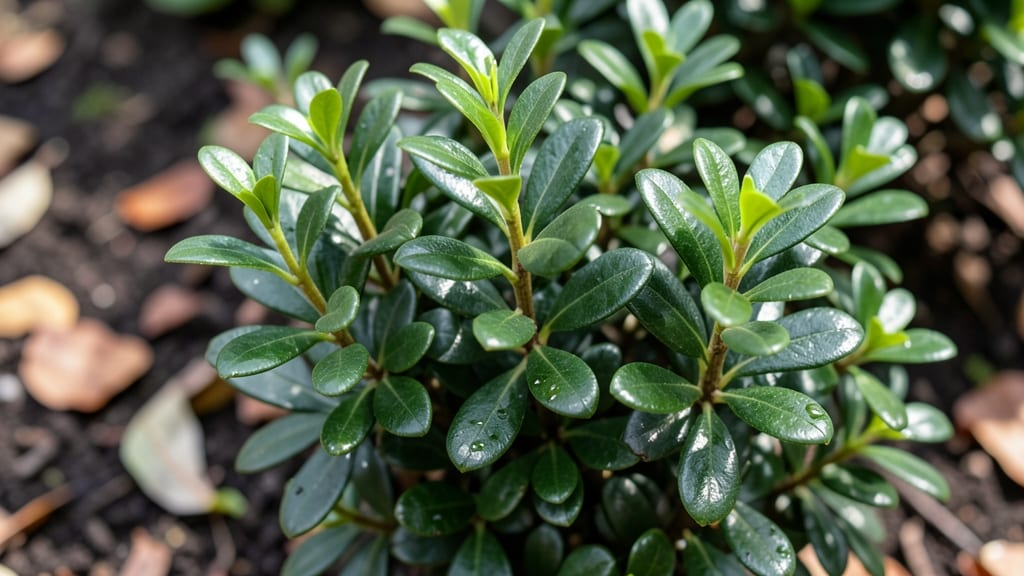
Nothing ruins a garden faster than deer turning it into their all-you-can-eat buffet—but these deer-resistant evergreen shrubs have become my secret weapon against those four-legged raiders. 🌲 I’ve lost count how many times I replanted only to wake up to chewed leaves and snapped stems, but these thorny, fragrant plants keep my garden intact.
The best part? They don’t just repel deer—they add year-round structure and texture to your yard. Think glossy leaves, fragrant foliage, and that satisfying "no thanks, pal" vibe when deer take one whiff.
Popular picks like boxwoods, inkberry, and holly thrive in most climates, while thorny varieties like barberry or hawthorn make even the boldest browsers think twice.
You’ll end up with a lush, low-maintenance border that stays green when everything else goes dormant. Place them along property lines, as hedges, or as focal points near pathways—they’ll protect your prized plants while adding color and depth to your landscape. Plus, birds and pollinators love them too.
Whether you’re in a suburban yard or rural acres, these shrubs adapt to sun, shade, and soil types. Pair them with deer-resistant perennials for extra protection, and you’ll finally have a garden that stays intact—no matter how hungry your neighbors’ deer get.
📚 In This Guide
- What you need
- Instructions
- Tips and common mistakes
- Wrapping up and next steps
What you need
- ● Deer-resistant evergreen shrubs: 3–5 plants (e.g., Rhododendron, Boxwood, Holly, or Juniper). Choose based on your climate zone and yard size.
- ● High-quality potting soil: 1–2 bags (50 lbs each) of well-draining, organic soil mix (e.g., 60% topsoil, 30% compost, 10% perlite).
- ● Mulch: 2–3 cubic feet of pine straw or wood chips (deer tend to avoid these!).
- ● Organic fertilizer: 1 bag of slow-release, balanced fertilizer (10-10-10 or 20-20-20).
- ● Pruning shears: 1 pair (bypass pruners for clean cuts).
- ● Garden gloves: 1 pair (heavy-duty for thorny shrubs like holly).
- ● Shovel or trowel: 1 medium-sized shovel or 2–3 trowels for digging.
- ● Watering can or hose: With a gentle spray nozzle (1–2 gallons capacity).
- ● Measuring tape: 1 (to mark planting spacing—typically 3–6 feet apart).
- ○ Optional: Deer repellent spray (e.g., Liquid Fence) for extra protection.
- ● Epsom salt (1 lb) for magnesium boost in acidic-loving shrubs (e.g., rhododendrons).
- ● Plant tags or stakes to label varieties.
- ● Check your USDA Hardiness Zone (e.g., Zones 4–9 for most evergreens).
- ● Test your soil’s pH level (evergreens like Rhododendron prefer acidic soil, pH 4.5–6.0).
- ● Plan your planting layout—consider mature size and sunlight needs (most evergreens thrive in partial shade).
How to select and plant deer-resistant evergreen shrubs
Here’s the foolproof way to choose and establish shrubs that deer will avoid—while keeping your yard lush year-round.
🌿 Step 1: Choose the Right Species for Your Climate
Start with proven deer-resistant evergreens like boxwood (Buxus), inkberry holly (Ilex glabra), or leatherleaf mahonia (Mahonia aquifolium)—all three thrive in USDA Zones 5-8 and pack natural defenses. Boxwoods release a bitter scent when browsed, while holly’s spiny leaves deter even determined deer. Leatherleaf mahonia’s glossy foliage and thorns make it a top pick for high-traffic areas.
Check your local nursery for native varieties—they’re already adapted to your soil and pests. I always ask staff for the toughest local cultivars, like ‘Winter Gem’ boxwood or ‘Dwarf Burford’ holly, which handle both deer and tough winters. Avoid soft, fleshy-leaved shrubs like yew—they’re deer magnets.
✂️ Step 2: Prepare Planting Sites with Proper Spacing
Dig holes twice as wide as the root ball but only as deep as the container’s base. This prevents buried roots that strangle the plant. Amend the native soil with compost (mix in 20% by volume) to improve drainage—deer-resistant shrubs hate soggy roots. Space plants 3-6 feet apart, depending on mature size (check tags). Too close, and they’ll compete; too far, and deer find gaps to slip through.
Here’s the thing—mulch heavily with 3-4 inches of wood chips right after planting. This blocks deer from nibbling young stems and retains moisture. I always add a 1-inch layer of coarse gravel around the base first to deter burrowing pests while still allowing water penetration.
💧 Step 3: Water Deeply and Monitor for Stress
Water once daily for the first 2 weeks, then taper to twice weekly until established (about 6-8 weeks). You’ll know it’s right when the soil feels damp 2 inches down—not soggy, not bone-dry. Overwatering suffocates roots, making plants vulnerable to deer (they target stressed shrubs first).
After planting, I fertilize lightly with a balanced 10-10-10 formula—just a handful sprinkled around the root zone. Too much nitrogen makes foliage soft and appealing. Watch for yellowing leaves (overwatering) or crispy edges (underwatering)—both signals to adjust immediately.
☀️ Step 4: Prune Strategically to Boost Defense
Prune once a year in early spring (before new growth) to shape and encourage dense foliage—deer avoid thick, thorny shrubs. Use clean, sharp shears to cut just above a leaf bud at a 45-degree angle. Never remove more than 1/3 of the plant in one season, or you’ll shock it into deer-friendly regrowth.
For holly varieties, never prune after mid-summer—you’ll sacrifice next year’s berries, which are a natural deer deterrent. I also leave some “wild” growth at the base; untamed stems create natural barriers that deer hesitate to cross.
🪴 Step 5: Layer with Companion Plants for Extra Protection
Plant deer-repellent companions like Russian sage (Perovskia) or lavender (Lavandula) around the edges of your shrubs. Their strong scents mask the shrubs’ natural aromas, making the whole area less appealing. Deer also avoid alliums (ornamental onions)—their pungent odor is a natural deterrent.
Add a 1-2 foot tall border of barberry (Berberis) or nandina (Nandina domestica) along property lines. Their spiny leaves and bright berries act as visual and physical warnings. I’ve seen deer completely avoid areas bordered by these plants, even when hungry.
Tips & tricks for perfect deer-resistant evergreen shrubs
Here's what nobody tells you about making your shrubs truly deer-proof—these tricks will save you from disappointed plants and hungry visitors.
Species Selection Matters: When choosing between boxwood, inkberry holly, or leatherleaf mahonia, consider your yard's light conditions. Boxwood thrives in partial shade but can scorch in full sun, while holly handles full sun beautifully. For shady spots, leatherleaf mahonia's tolerance for low light makes it the ultimate understory champion. I've seen boxwoods completely stripped by deer in full sun locations where holly remained untouched.
Soil Preparation Secret: The 20% compost amendment in Step 2 isn't just about drainage—it's about creating the right microbial environment that makes your shrubs less appealing to deer. Their sensitive noses detect stressed plants, so healthy soil equals better defense. I always add a handful of mycorrhizal fungi to the planting hole for an extra boost in root health and deer resistance.
Watering Wisdom: Those first 2 weeks of daily watering are critical, but timing matters just as much. Water in the morning so foliage dries completely by evening—wet leaves attract pests that deer follow. The twice-weekly schedule after establishment should be adjusted based on rainfall; check that 2-inch soil depth before watering again. I've seen newly planted shrubs fail because they were watered at night or on a rigid schedule without checking soil moisture.
Pruning Strategy: The early spring timing for pruning in Step 4 isn't just about growth—it's about timing the plant's natural defenses. Pruning in late winter allows new growth to harden off before deer become most active in spring. For holly varieties, I actually mark my calendar to prune right after the first frost but before new buds appear, giving the plant a head start on its defensive mechanisms.
Pro Tips for Deer Resistant Evergreen Shrubs
- Here's what nobody tells you about making your shrubs truly deer-proof—these tricks will save you from disappointed plants and hungry visitors.
- Species Selection Matters: When choosing between boxwood, inkberry holly, or leatherleaf mahonia, consider your yard's light conditions.
- Soil Preparation Secret: The 20% compost amendment in Step 2 isn't just about drainage—it's about creating the right microbial environment that makes your shrubs less appealing to deer.
Frequently asked questions
Got questions about keeping deer at bay with evergreens?
You’re not alone! Here are answers to the most common concerns—so you can plant with confidence and peace of mind.
What makes a shrub truly deer-resistant?
Deer-resistant evergreens usually have thorns, prickly leaves, or strong fragrances (like boxwoods or holly). Deer also avoid toxic plants, such as yews, which contain taxine alkaloids. However, no plant is 100% deer-proof—especially during harsh winters when food is scarce. Pair these shrubs with repellents or fencing for extra protection.
When is the best time to plant deer-resistant evergreens?
Fall and early spring are ideal! Planting in fall (4–6 weeks before frost) gives roots time to establish before winter. Early spring (after the last frost) ensures warm soil for growth. Avoid planting in extreme heat or cold—root stress makes shrubs more vulnerable to deer browsing. Pro tip: Water deeply after planting to reduce shock.
Can I use deer-resistant evergreens as a living fence?
Shrubs like boxwood, holly, or barberry grow densely and form natural barriers. Space them 3–4 feet apart for a tight hedge. For taller privacy, try empress trees or inkberry holly. Just remember: deer may still nibble young shoots, so apply repellent during the first growing season.
What should I do if deer are already eating my evergreens?
Act fast! Start with physical barriers (chicken wire or fencing) around new plants. Use commercial deer repellents (like Liquid Fence) or homemade sprays (hot pepper + water). Pro tip: Rotate repellent types—deer can get used to one scent. For severe damage, consider deer-resistant alternatives like Russian olive or juniper.
Are there deer-resistant evergreens that thrive in shade?
Yes! Try inkberry holly, daphne, or pieris japonica for shady spots. These shrubs tolerate low light while deterring deer with leathery leaves or mildew-resistant foliage. Avoid arborvitae in deep shade—it can become leggy and less deer-resistant. Bonus: Mulch with pine straw to improve soil and repel pests naturally.
Wrapping up and next steps
Transforming your yard into a deer-proof paradise is easier than you think! With deer-resistant evergreen shrubs, you can enjoy lush greenery year-round while keeping those hungry visitors at bay. 🌿 Whether you opt for thorny holly, fragrant boxwood, or aromatic lavender, these plants offer both beauty and protection.
Now that you’re armed with the best options, take the next step—plan your planting schedule, prep your soil, and watch your garden thrive! A well-defended yard isn’t just about aesthetics; it’s about peace of mind. Happy gardening! 🌟