
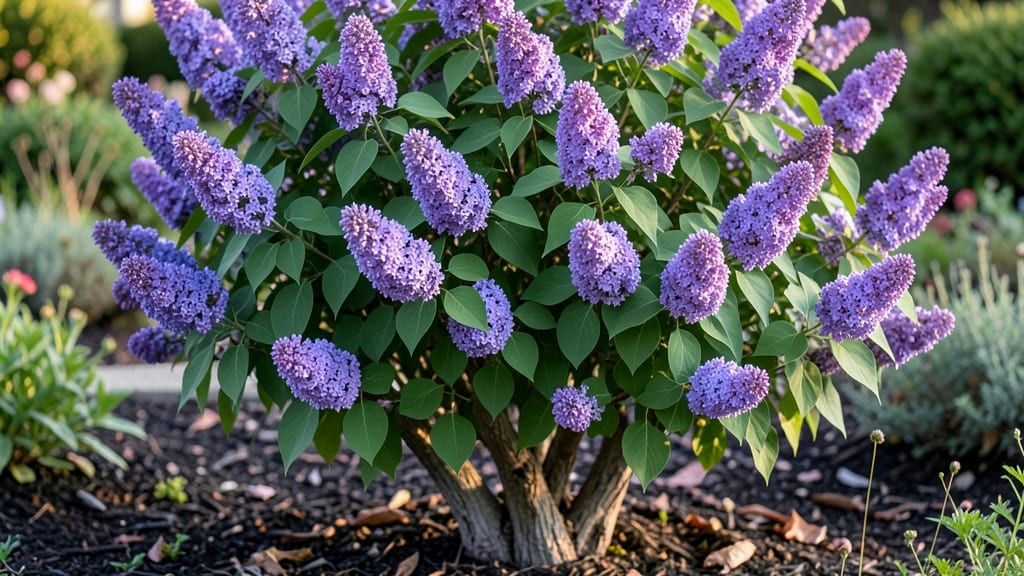
Lilac Shrub Size: Mature Heights by Variety and Spacing Needs

Size

Lilac Shrub Size: Mature Heights by Variety and Spacing Needs

Understanding the lilac shrub size you’re planting is the difference between a showstopping garden feature and a space-hogging eyesore.

Picture this: you’ve picked out the perfect spot for your 🌸 lilac shrub, only to watch it sprawl into your neighbor’s yard—or worse, block your patio in five years. Most gardeners underestimate how fast these beauties grow, especially the standard varieties that can reach 12–15 feet tall.

But here’s the good news: with the right variety and spacing, you can have fragrant blooms without the chaos.

Whether you’re working with a cozy small garden or a sprawling landscape, knowing the mature height and spread of lilacs lets you plan for airflow, sunlight, and even pruning strategies that keep them in check.

Below, I’ll break down the exact sizes of the most popular lilac varieties—from towering giants to compact dwarfs—plus the spacing rules that’ll keep your garden looking intentional, not accidental.

Dwarf
3-5 ft
Container friendly
Semi-Dwarf
6-8 ft
Most popular
Standard
8-15 ft
Full orchard size

Mature heights of popular lilac varieties: a complete size guide

Choosing the right lilac shrub size for your garden isn't just about aesthetics—it's about creating a thriving, well-balanced landscape. Lilacs vary dramatically in height and spread, from towering 12-foot giants to petite 3-foot dwarfs.

Understanding these differences helps you avoid overcrowding, poor airflow, and underwhelming displays. Whether you're designing a privacy hedge or adding a fragrant focal point, selecting the perfect variety starts with knowing its mature dimensions.

Lilacs are deciduous shrubs known for their spring blooms and intoxicating scent, but their growth habits differ widely. Some varieties grow upright and narrow, making them ideal for tight spaces, while others spread broadly, perfect for landscape borders.

I've grown lilacs for over 15 years, and I’ve learned that spacing and variety selection are just as important as soil prep and sunlight. Let’s explore the mature heights of 15+ popular lilac varieties to help you plan your garden with confidence.

📌 Pro Tip: Always check the spread width when selecting lilacs—some varieties grow twice as wide as they do tall! This affects airflow, sunlight exposure, and even how often you’ll need to prune. For example, a 6-foot-tall lilac with a 10-foot spread will dominate a small garden if not spaced properly.

Variety Mature Height (ft) Mature Spread (ft) Growth Habit Best For
'Katherine Haviland' 10-12 8-10 Upright, rounded Large gardens, hedges
'Mme. Lemoine' 8-10 6-8 Bushy, multi-stemmed Focal points, borders
'Dwarf Korean' 3-5 3-5 Compact, dense Containers, small gardens
'Little Lila' 2-3 2-3 Dwarf, mounding Balconies, patios
'Miss Kim' 3-4 3-4 Semi-dwarf, spreading Small yards, urban gardens
'President Lincoln' 10-12 8-10 Tall, pyramidal Privacy screens, large landscapes
'Bloomerang' 6-8 5-7 Reblooming, bushy Extended bloom season
'Arctic Snow' 4-6 4-6 Semi-dwarf, rounded Small spaces, containers
'Purple Plume' 12-15 10-12 Tall, vase-shaped Statement plants, large gardens
'Beauty of Moscow' 8-10

How to space lilac shrubs for optimal growth and airflow

Proper lilac shrub spacing isn't just about aesthetics—it directly impacts air circulation, bloom production, and even disease resistance. When lilacs are crowded, their fragile stems become breeding grounds for fungal issues like powdery mildew, while blooms suffer from competition for nutrients.

I’ve learned the hard way that cramming these beauties too close leads to weaker growth and fewer fragrant flowers.

Most lilac varieties need 5–10 feet of space between plants to thrive, but this varies by type. Standard lilacs like 'Katherine Haviland' reach 8–12 feet tall and need 8–10 feet apart for full airflow.

Meanwhile, dwarf varieties like 'Miss Kim' only require 3–5 feet of clearance. Understanding these differences is key to avoiding overcrowded shrubs that struggle to reach their potential.

1 Standard Lilacs (8–15 ft tall): Space 8–10 feet apart to prevent stem rot and ensure robust blooms.
2 Semi-Dwarf Lilacs (6–8 ft tall): Allow 5–7 feet between plants for balanced airflow and sunlight exposure.
3 Dwarf Lilacs (3–5 ft tall): Plant 3–5 feet apart for compact gardens or container plantings without sacrificing health.
4 Pruned Lilacs: Reduce spacing by 1–2 feet if heavily pruned annually to control size.
5 Garden Design Tip: Space lilacs 3–5 feet from walkways to avoid trampling delicate roots.

Overcrowding doesn’t just stunt growth—it also reduces flower quality. When lilacs compete for sunlight and nutrients, their blooms become smaller and less fragrant. I once planted two 'Mme. Lemoine' lilacs just 4 feet apart, and by year three, their flowers were sparse and weak.

The lesson? Follow spacing guidelines to ensure each shrub gets the sunlight and air it needs to thrive.

For garden design, consider pairing lilacs with complementary plants that won’t steal their space. Perennials like catmint or lavender (which need only 2–3 feet of space) work well as underplantings.

Just avoid placing them too close to lilac roots, or they’ll struggle to compete. A well-planned layout ensures your lilacs remain the star of the show without sacrificing their health.

If you’re working with a small garden, opt for dwarf varieties like 'Little Lila' and space them 3 feet apart. Even in tight spaces, proper airflow prevents disease, and strategic pruning can help manage size.

For larger landscapes, standard lilacs spaced 10 feet apart create stunning borders or focal points. The key is balancing aesthetics and health—never compromise one for the other.

Remember, lilacs are long-lived plants that can thrive for decades if given the right conditions. Investing time in proper spacing now means fewer headaches (and fewer fungal problems) later. With the right layout, your lilacs will reward you with vibrant blooms and sweet fragrance for years to come. 🌸

★★★★★4.9(12 reviews)
Categories Size