
Shrubs
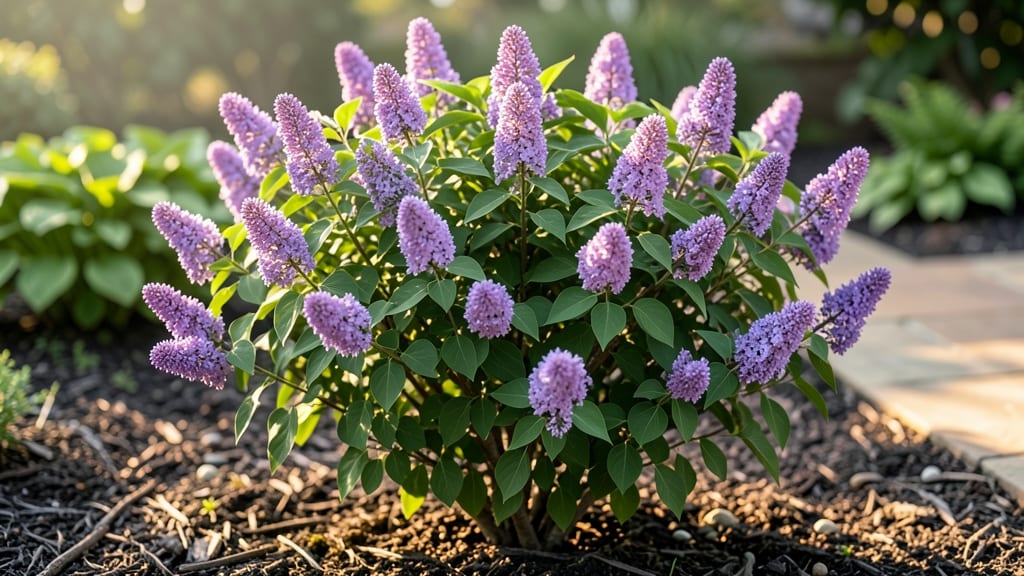
A lilac shrub’s height can range from a compact 3 feet to a towering 15 feet, depending on the variety you choose—so picking the right one for your space is everything.
Picture this: You plant a 🌸 lilac shrub in your front yard, only to watch it outgrow your patio in just a few years. Or maybe you dream of a fragrant hedge but end up with a sprawling giant.
The difference often comes down to knowing which type fits your garden’s scale—and when to prune to keep it in check.
From dwarf varieties that stay neatly contained to standard lilacs that reach for the sky, each type has its own growth quirks. Some burst into bloom early, while others take years to mature, and their height affects everything from pruning schedules to how much space they need to shine.
In this guide, you’ll find out exactly how tall your lilac shrub will grow, which varieties stay small (or shoot up fast), and the best pruning tricks to manage its size—so you can enjoy those intoxicating spring blooms without the headaches.

Lilac shrub height by variety: growth charts for common types
Choosing the right lilac shrub for your garden starts with understanding their height potential. Some varieties grow tall enough to become small trees, while others stay compact enough for foundation plantings.
Knowing these differences helps you plan spacing, pruning schedules, and even garden layouts to maximize their beauty without overcrowding.
Lilacs grow at different rates based on their genetics, but most reach their mature height within 3-5 years. Dwarf varieties may take slightly longer to fill out, while standard types can grow aggressively.
Below, I’ve outlined the typical height ranges for popular lilac varieties, including growth rates to help you predict how quickly they’ll reach their full size.
The French lilac (Syringa vulgaris) is the most common type and often becomes a focal point in gardens. Its height can vary dramatically based on growing conditions, but most mature plants reach 8-15 feet tall. This variety is perfect for creating privacy screens or adding vertical interest to landscapes.
Dwarf lilacs, like 'Little Miss Perfection' or 'Miss Kim,' stay under 3-5 feet tall and are ideal for small gardens, containers, or foundation plantings. These compact varieties grow slowly, making them low-maintenance choices for busy gardeners.
Hybrid lilacs, such as 'Katherine Havemeyer' or 'President Lincoln,' often bridge the gap between standard and dwarf types, reaching 6-10 feet tall. These varieties offer a balance of height and manageability, making them versatile for various garden designs.
| Variety | Mature Height | Growth Rate | Best For |
|---|---|---|---|
| French Lilac (Syringa vulgaris) | 8-15 ft | Moderate-Fast | Privacy screens, focal points |
| Dwarf Lilac (e.g., 'Little Miss Perfection') | 3-5 ft | Slow | Containers, foundation plantings |
| Hybrid Lilac (e.g., 'Katherine Havemeyer') | 6-10 ft | Moderate | Mixed borders, small hedges |
| Semi-Dwarf Lilac (e.g., 'Bloomerang') | 5-8 ft | Moderate | Small gardens, urban landscapes |
| Common Lilac (Wild Type) | 10-12 ft | Fast | Wildlife habitats, large gardens |
If you’re planning your garden layout, consider spacing lilacs based on their mature height. For example, French lilacs need at least 8-10 feet of space between them to avoid overcrowding, while dwarf varieties can be planted just 3-4 feet apart.
This spacing ensures good airflow, reducing the risk of fungal diseases like powdery mildew.
For fast-growing varieties, like the Common Lilac, expect noticeable height increases each year. These types can grow 2-3 feet per year in ideal conditions, so regular pruning is essential to maintain their shape and encourage blooming.
On the other hand, dwarf lilacs grow slowly, often adding only 6-12 inches per year, making them perfect for low-maintenance gardens.
Understanding your lilac’s growth pattern also helps with pruning timing. Tall varieties benefit from late-summer pruning to remove up to one-third of their height, while dwarf lilacs only need light trimming to shape them. Always prune after flowering to avoid cutting off next year’s blooms.
Proper spacing and pruning not only keep your lilacs healthy but also enhance their fragrance and flower production. For instance, a well-pruned French lilac can produce thousands of fragrant blooms each spring, making it a standout feature in any garden.
Before planting, check your variety’s growth rate and mature height to ensure it fits your garden’s scale. A towering lilac in a small yard can quickly become overwhelming, while a dwarf variety in a large space might get lost. Balance is key to creating a harmonious and low-stress garden layout.
🌸
How lilac shrub height affects pruning and maintenance needs
Lilac shrubs vary dramatically in height—from 3-foot dwarf varieties to towering 15-foot giants—and this directly impacts how you prune and maintain them. A tall lilac shrub like Syringa vulgaris needs completely different care than a compact lilac cultivar like 'Little Lila.'
Understanding your plant's mature height helps you plan pruning schedules, control overgrowth, and keep blooms abundant year after year.
Taller lilacs require structural pruning to maintain their shape and prevent weak branches, while dwarf varieties benefit from light shaping cuts to encourage bushiness. The timing of pruning also shifts—tall shrubs need annual rejuvenation after flowering, while dwarfs can handle spring or fall trims without stress.
Let’s break down how height influences your maintenance routine.
Height also dictates how you space lilacs in your garden. A 15-foot lilac needs 10-15 feet of clearance from structures and other plants, while a 3-foot dwarf fits neatly in 3-foot spacing.
Overcrowding leads to poor airflow, increasing disease risk like powdery mildew. Always prune with sterilized tools to prevent spreading pathogens.
For optimal blooms, tall lilacs benefit from annual pruning to remove old wood, while dwarfs can handle every-other-year maintenance. Watch for bud formation in late winter—this signals it’s time to prune. If buds appear sparse, your shrub may need more sunlight or balanced fertilizer.
Remember: Pruning too late (after June) removes next year’s flower buds. Always prune just after blooming for best results. With the right approach, your lilac—whether towering or tiny—will reward you with fragrant blooms for decades. 🌸