
Companion Plants
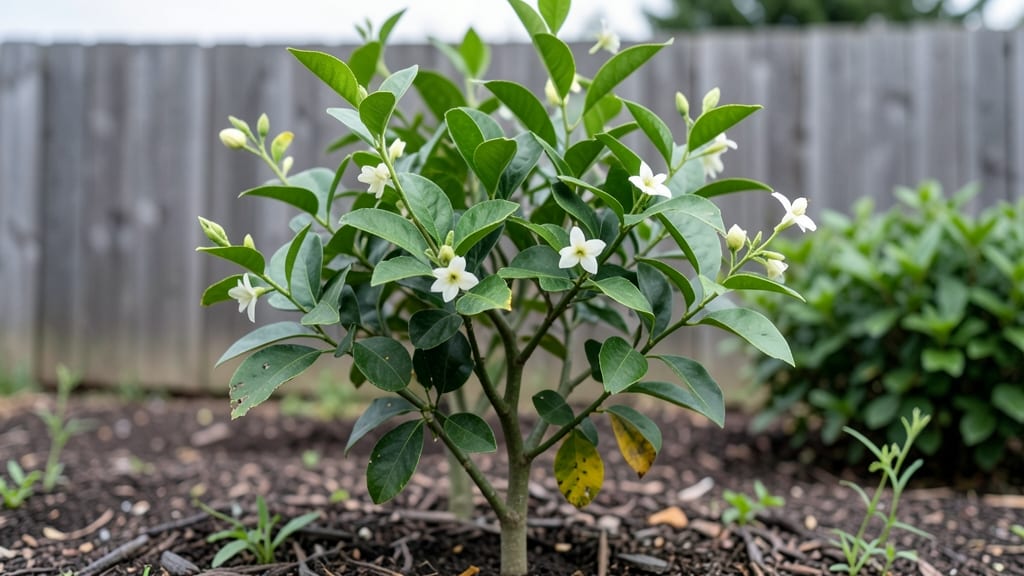
Growing lemon-scented plants from sprouts brings a fragrant, sunlit corner to any garden—even if you've never propagated before. 🌿 The key is choosing the right method: nursery seedlings for instant results, cuttings from mature plants for free propagation, or seeds for the patient gardener.
My first attempt with seed-grown sprouts failed when I overwatered them, but I learned the hard way that consistency is everything.
Start with well-draining soil mixed with perlite or sand to prevent root rot, the silent killer of citrus sprouts. A sunny windowsill or greenhouse gives them the bright light they crave, while pots with drainage holes keep roots healthy.
Temperature matters too—keep it between 60-75°F for steady growth, and avoid drafts that shock tender new leaves.
Within 4-6 weeks, you’ll see glossy, lemon-scented foliage emerge, and with proper care, these plants thrive for years. The aroma alone makes them worth growing, but they also repel pests naturally—just brush the leaves near susceptible plants to deter aphids.
The first harvest of fragrant leaves comes in 3-4 months, and the more you prune, the bushier they grow.
Works in containers or garden beds, from coastal climates to inland zones 9-11. For cooler areas, grow them as annuals or overwinter indoors. Here’s how to avoid the mistakes that turn sprouts into sad, leggy sticks—and turn your garden into a citrus-scented paradise.
📚 In This Guide
- What you need
- Instructions
- Tips and common mistakes
- Wrapping up and next steps
What you need
- ● Lemon sprouts seeds – 1 packet (50-100 seeds) or a healthy lemon sprout plant for propagation (cuttings).
- ● Well-draining potting mix – 2-3 gallons (use a blend of peat moss, perlite, and compost for optimal aeration).
- ● Containers – 4-6-inch pots (for seedlings) or hanging baskets (if growing as a trailing plant).
- ● Watering can or spray bottle – For gentle hydration (avoid overwatering!).
- ○ Fertilizer (optional but recommended) – Balanced liquid fertilizer (10-10-10) for young plants.
- ● Pruning shears – For trimming leggy growth or taking cuttings.
- ● Grow lights or sunny windowsill – 6+ hours of indirect light daily (south-facing window or LED grow lights).
- ● Humidity dome or plastic wrap – To retain moisture while germinating seeds.
- ○ pH testing kit (optional) – Ideal soil pH: 6.0–7.0 (lemon sprouts thrive in slightly acidic soil).
- ● Patience & a green thumb! – Lemon sprouts grow slowly but reward you with aromatic, glossy leaves.
How to grow lemon sprouts for fragrant, citrusy foliage
Here’s how I grow these easy-care plants that smell like sunshine and look like tiny, edible shrubs.
🌱 Step 1: Select Healthy Starter Plants
Start with 4 healthy lemon sprouts plants from a nursery or online seller. Look for sturdy stems with vibrant green leaves—avoid any with yellowing or wilted foliage, as those signal stress or disease. I always check the undersides of leaves for pests before bringing them home.
Lemon sprouts thrive in containers, so if you’re growing from seed, start indoors 8-10 weeks before your last frost date. Use the 1 packet of lemon sprout seeds provided, planting 2-3 seeds per 4-inch pot at a depth of ¼ inch. Keep the soil moist but not soggy until germination, which takes 10-14 days at 70-75°F.
🪴 Step 2: Choose the Right Containers and Soil
Lemon sprouts need well-draining soil to prevent root rot, so mix 3 gallons of potting mix with 1 cup of perlite for every 4 plants. This keeps roots aerated while holding enough moisture. I use 4-inch pots for seedlings and upgrade to 6-inch pots once they’ve developed 3-4 true leaves.
Add a slow-release fertilizer (like a 10-10-10 blend) to the soil mix—just 1 tablespoon per pot—to give your plants a nutrient boost without burning tender roots. Plant each sprout at the same depth it was growing before, firming the soil gently around the base to eliminate air pockets.
☀️ Step 3: Position for Bright, Indirect Light
Lemon sprouts love bright, indirect light—think 4-6 hours of morning sun followed by afternoon shade, especially in hot climates. A south-facing window works well, but if your plants start stretching toward the light (a sign they’re reaching), move them closer to the glass or supplement with a grow light for 12-14 hours daily.
Turn the pots a quarter turn every few days so the plants grow evenly instead of leaning. You’ll notice new leaves emerging every 2-3 weeks—this is your cue that they’re happy. If leaves start curling or yellowing, they’re getting too much direct sun. Adjust placement immediately to prevent damage.
💧 Step 4: Water and Maintain Humidity
Water when the top inch of soil feels dry—usually every 5-7 days, but adjust based on your home’s humidity. Lemon sprouts hate soggy roots, so always water at the base and avoid wetting the leaves to prevent fungal issues. I use a spray bottle for a light misting if the air feels dry, especially in winter when indoor heating kicks in.
Fertilize every 4-6 weeks during the growing season with a balanced liquid fertilizer (like the 1 bottle of 20-20-20 fertilizer provided). Dilute it to half-strength to avoid overfeeding, which can cause leaf burn. Stop fertilizing in late summer to let the plants rest before their next growth spurt in spring.
✂️ Step 5: Prune and Encourage Bushier Growth
Pinch back the top set of leaves when the plant reaches 6 inches tall to encourage bushier growth. This simple trick prevents leggy stems and promotes thicker foliage. Use clean, sharp scissors to make a 45-degree cut just above a leaf node—this helps the plant heal faster and directs energy to side branches.
Harvest leaves as needed by snipping individual stems just above a leaf pair. The more you prune, the more fragrant and full your plants will become. I like to harvest every few weeks to keep the plants compact and encourage new growth. If a stem gets too woody, trim it back to the base—new shoots will sprout within 2-3 weeks.
Tips & tricks for perfect lemon sprouts plants
Here's what I've learned after growing lemon sprouts for years—these tricks make all the difference between a struggling plant and one that thrives with that signature citrusy fragrance.
Seed Starting Secret: When planting your 1 packet of lemon sprout seeds in Step 1, place the 4-inch pots on a seedling heat mat set to 75°F to speed up germination from the usual 10-14 days to just 7-10 days. The consistent warmth mimics their native tropical environment. I keep the soil covered with plastic wrap until sprouts appear—this creates a humid microclimate that prevents drying out.
Light Positioning: In Step 3, if your south-facing window doesn't provide enough 4-6 hours of morning sun, place a grow light just 6-12 inches above the plants for 12-14 hours daily. I rotate my plants quarter turn daily even under grow lights to prevent them from stretching toward one light source. The key is keeping them just 2-3 inches away from the light—closer than that can scorch delicate leaves.
Watering Wisdom: The every 5-7 days watering guideline in Step 4 works for average humidity, but adjust if your home feels dry. I test soil moisture by sticking my finger an inch down—if it's dry, water thoroughly until it runs out the drainage holes. The real trick is watering at the base while avoiding the leaves completely. I use a spray bottle only for humidity boosts, never for regular watering.
Pruning Pro Tip: When pinching back those top leaves at 6 inches tall in Step 5, make your cuts at a 45-degree angle just above a leaf node where new growth emerges. This angled cut prevents water from pooling on the stem, which could cause rot. I always sterilize my scissors with rubbing alcohol between cuts to prevent spreading any potential plant diseases.
Pro Tips for Lemon Sprouts Plants
- Here's what I've learned after growing lemon sprouts for years—these tricks make all the difference between a struggling plant and one that thrives with that signature citrusy fragrance.
- Seed Starting Secret: When planting your 1 packet of lemon sprout seeds in Step 1, place the 4-inch pots on a seedling heat mat set to 75°F to speed up germination from the usual 10-14 days to just 7-10 days.
- Light Positioning: In Step 3, if your south-facing window doesn't provide enough 4-6 hours of morning sun, place a grow light just 6-12 inches above the plants for 12-14 hours daily.
Frequently asked questions
Got questions about growing lemon sprouts plants? You’re not alone!
Here are answers to the most common queries to help you cultivate these fragrant, citrus-scented companions like a pro.
How long does it take for lemon sprouts to grow from seed?
Patience is key! Lemon sprouts (like Citrus × limon ‘Lemon Sprout’) typically take 2–3 months to germinate, especially if grown from seed. If you’re propagating from cuttings, you’ll see roots in 4–6 weeks and new growth in 8–12 weeks. Keep soil consistently moist but well-draining to speed things up!
When is the best time to plant lemon sprouts outdoors?
Timing matters! Plant lemon sprouts after the last frost when nighttime temperatures stay above 50°F (10°C). In warm climates (zones 9–11), spring or early summer is ideal. If you’re in a cooler zone, start indoors 8–10 weeks before the last frost and transplant after roots establish.
Can lemon sprouts grow in containers, and what size pot do I need?
Lemon sprouts thrive in containers with at least 12–18 inches of depth and 10+ inches in diameter to accommodate their sprawling roots. Use a well-draining potting mix with perlite or sand. Ensure the pot has drainage holes and place it in a sunny spot (6+ hours of light daily).
Why are my lemon sprouts leaves turning yellow or dropping?
Yellowing or dropping leaves usually signal overwatering, underwatering, or pests. Check the soil moisture—it should be damp but not soggy. If pests like spider mites or scale insects are the culprit, treat with neem oil or insecticidal soap. Yellowing can also occur if the plant lacks nitrogen—try a balanced citrus fertilizer.
Can I grow lemon sprouts from a grocery store lemon?
Yes, but success isn’t guaranteed! Try this: Save the seeds from a fresh, organic lemon (avoid conventional ones—they’re often treated to prevent sprouting). Plant them ½-inch deep in moist soil and keep them warm. Germination can take weeks to months, and seedlings may not be true to the parent plant’s traits. For faster results, opt for nursery-grown cuttings!
Wrapping up and next steps
Growing lemon sprouts plants is a rewarding way to infuse your garden with fragrant, citrus-scented foliage that repels pests and adds beauty! 🌿 Whether you’re starting from seeds or cuttings, these easy-care plants thrive with minimal effort—just remember to provide well-draining soil, bright light, and occasional pruning.
With their pest-deterring properties and ornamental charm, they’re a must-have for any gardener.
Now that you’re armed with tips and answers, why not take the next step? Try planting your lemon sprouts this weekend and enjoy their vibrant leaves and zesty aroma all season long. Happy gardening! 🌱✨