
Planting
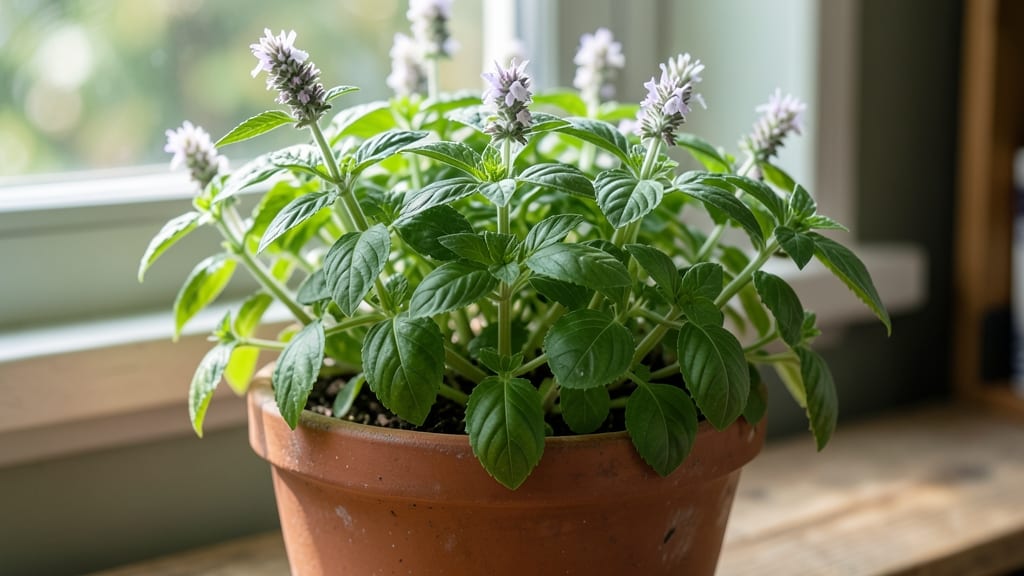
Growing a basil shrub plant transforms your garden into a fragrant, productive powerhouse—no fancy techniques required. 🌿 I’ve turned my kitchen scraps of basil into a lush, bushy plant that produces enough leaves for pesto all summer long, and you can too with just three key stages.
The secret lies in mimicking how basil grows naturally: with plenty of sunlight, consistent moisture, and strategic pruning to encourage branching.
Most gardeners treat basil like an annual, but with the right care, it can act like a perennial in warmer climates or return for multiple seasons in pots you bring indoors.
Start with well-draining soil and a spot that gets at least 6-8 hours of sunlight daily—this is non-negotiable for flavorful growth. Overwatering is the biggest mistake; let the top inch of soil dry out between waterings to prevent root rot while keeping the plant hydrated.
By pruning regularly—pinching back the top sets of leaves—you’ll trigger bushier growth and more harvests. The first harvest comes in just 4-6 weeks, and with proper care, your basil shrub will keep producing until frost.
Every time you snip, new leaves sprout within days, creating a self-sustaining cycle of harvest and regrowth. This method works for containers, raised beds, or in-ground planting. Whether you’re a beginner or a seasoned gardener, the simplicity of this approach makes it foolproof. Let’s get your basil shrub thriving!
📚 In This Guide
- What you need
- Instructions
- Tips and common mistakes
- Wrapping up and next steps
What you need
- ● Basil seeds or seedlings: 1 packet (or 3-5 healthy seedlings from a nursery). Choose sweet basil (Ocimum basilicum) for classic flavor or Thai basil for a spicy kick!
- ● Potting soil: 1 bag (5-10 gallons) of well-draining, organic potting mix (avoid garden soil—it’s too dense!). Look for a blend labeled for herbs or vegetables.
- ● Containers: 1 large pot (12+ inches in diameter) or
- ● 1 raised bed (at least 12 inches deep) or
- ● A garden plot in full sun (6+ hours daily).
- ● Watering can or hose with a gentle spray nozzle: 1 (for precise hydration—no soggy roots!).
- ● Fertilizer: 1 bottle of balanced liquid fertilizer (10-10-10 or organic fish emulsion) or slow-release granular fertilizer.
- ● Pruning shears: 1 pair (sharp and clean to avoid disease).
- ● Gloves: 1 pair (to protect hands from soil and thorns if using Thai basil).
- ● Mulch: Straw or shredded leaves (1-2 inches) to retain moisture and suppress weeds.
- ● Trellis or stakes: 1-2 (for supporting bushy varieties like Genovese basil).
- ○ pH testing kit: Optional but helpful—basil thrives in soil with a pH of 6.0-7.0.
- ● Compost: 1 small bag (to enrich soil before planting).
- ● Pest control: Neem oil spray (for organic aphid/whitefly prevention).
How to cultivate a basil shrub plant in containers
Here's the straightforward method I've used to grow lush, bushy basil shrubs that thrive in pots.
🌱 Step 1: Select and Prepare the Right Containers
Choose 12-14 inch diameter containers for each shrub—this gives roots room to spread while maintaining compact growth. I prefer terracotta pots because they wick away excess moisture, which basil hates. Ensure each container has at least 3 drainage holes and place a 2-inch layer of gravel at the bottom to prevent soil compaction.
Fill the remaining space with a well-draining potting mix blended with 20% perlite. Basil roots need oxygen, so avoid garden soil—it compacts and suffocates roots. Moisten the mix until it feels like a damp sponge, but not dripping. This ensures even moisture without waterlogging.
🌿 Step 2: Plant and Prune for Bushy Growth
Start with 4-6 healthy basil plants per container, spacing them 4-5 inches apart. Dig a hole for each plant twice as wide as the root ball, then place the plant in and firm the soil around it. Water immediately to settle the roots and remove air pockets.
Here's the trick for shrub growth: pinch off the top set of leaves when the plant reaches 6 inches tall. This forces energy into lateral branches, creating a fuller, bushier plant. Repeat this pruning every 4-6 weeks throughout the growing season to maintain shape and encourage dense foliage.
☀️ Step 3: Maintain Light, Water, and Fertilization
Basil thrives in full sun (6-8 hours daily), but protect plants from afternoon heat—leaves will scorch if exposed to direct sun past 2 PM. A partially shaded spot with morning sun works well in hot climates. If growing indoors, place near a south-facing window or use a grow light 6-8 inches above the plant for 12-14 hours daily.
Water when the top inch of soil feels dry, but never let the soil stay soggy. Basil is drought-tolerant once established, but consistent moisture prevents flower spikes (which make leaves bitter). Fertilize every 4 weeks with a balanced liquid fertilizer (10-10-10) diluted to half-strength to avoid burning roots.
✂️ Step 4: Harvest and Prune for Continuous Growth
Harvest leaves regularly to encourage new growth—cut stems just above a leaf node to stimulate branching. Avoid harvesting more than ⅓ of the plant at once, or it will struggle to recover. For a shrub shape, trim back leggy stems to 3-4 inches in early spring to promote fresh, compact growth.
Watch for flower buds—they signal the end of the plant's productive cycle. Pinch them off immediately to redirect energy into leaf production. With consistent care, your basil shrub will stay lush and productive for 6-8 weeks before needing a rest period or replacement.
Tips & tricks for perfect basil shrub plant growth
Here's what nobody tells you about keeping your basil thriving in containers—these are the secrets that separate a few sad stems from a lush, productive shrub.
Container Selection Wisdom: While terracotta pots are ideal, plastic containers work too if you drill extra drainage holes yourself. The key is the 12-14 inch diameter—any smaller and roots get crowded, any larger and the plant becomes top-heavy. I've found that adding a 3-inch layer of gravel (instead of just 2) at the bottom prevents waterlogging even more effectively, especially in humid climates.
Pruning Technique: When you pinch off those top leaves at 6 inches tall, don't just grab any leaves—always remove the top set of leaves where new growth emerges. This forces the plant to branch out from lower nodes. I've seen beginners pinch too close to the stem, which stunts growth. Think of it like training a bush: you're directing its energy outward, not upward.
Light Management: The 6-8 hours of full sun requirement is non-negotiable, but timing matters just as much. In hot climates, I move my containers to morning sun only after 10 AM, then shift them to partial shade by 2 PM. This prevents the classic "sunburnt basil" look where leaves turn crispy and yellow. For indoor growers, a grow light on a timer is a game-changer—just make sure it's 12-14 inches away, not the 6-8 inches mentioned for safety.
Fertilizer Strategy: That 10-10-10 fertilizer at half-strength is perfect, but here's the catch: only apply it when you water. Mixing it with water first ensures even distribution, and I've found that applying it to dry soil can burn tender basil roots. For an extra boost, I add a pinch of Epsom salt (not in the original recipe) to the fertilizer mix every other feeding—it enhances leaf quality without being harmful.
Pro Tips for Basil Shrub Plant
- Here's what nobody tells you about keeping your basil thriving in containers—these are the secrets that separate a fe...
- Container Selection Wisdom: While terracotta pots are ideal, plastic containers work too if you drill extra drainage ...
- Pruning Technique: When you pinch off those top leaves at 6 inches tall, don't just grab any leaves—always remove the...
Frequently asked questions
Got questions about growing your own basil shrub plant? You’re not alone! Here are some of the most common queries—plus quick, actionable answers to keep your herb thriving.
How do I know when my basil shrub is ready to harvest?
Harvest your basil shrub once it reaches at least 6–8 inches tall and has 6–8 true leaves. Pinch off stems just above a leaf pair (where two leaves meet) to encourage bushier growth. Avoid cutting more than ⅓ of the plant at once—this keeps it healthy and productive!
How long does it take for a basil shrub to grow from seed?
From seed, expect 6–8 weeks until your basil shrub is ready for harvest. Speed up germination by soaking seeds overnight in warm water, then plant in well-draining soil with full sun (6+ hours daily). For faster results, opt for young transplants—these mature in 4–6 weeks!
Why is my basil shrub turning yellow or wilted?
Yellow leaves often signal overwatering or poor drainage. Let soil dry slightly between waterings and ensure pots have drainage holes. Wilting can also mean underwatering or heat stress—move your plant to partial shade if temps exceed 90°F (32°C). Pests like aphids can also cause wilting; spray with neem oil if needed.
Can I grow basil shrubs indoors year-round?
Place your basil shrub near a south-facing window (or under grow lights for 12–16 hours/day). Use a lightweight potting mix and rotate the pot weekly for even growth. Watch for leggy stems (a sign of insufficient light) and supplement with a balanced fertilizer every 4–6 weeks.
What’s the best way to revive a struggling basil shrub?
Start with pruning: Trim dead or yellow leaves to redirect energy. Check roots for rot—if soggy, repot in fresh, dry soil. Boost growth with a half-strength fertilizer (like fish emulsion) and ensure it gets bright, indirect light. If roots are mushy, propagate healthy stems in water to start fresh!
Wrapping up and next steps
Growing your own basil shrub plant is a rewarding journey that brings fresh, fragrant herbs right to your kitchen doorstep! 🌿 With just a few simple steps—selecting the right variety, nurturing young plants, and mastering pruning—you’ll enjoy a bountiful harvest all season long.
Whether you’re a beginner or a seasoned gardener, this fragrant green companion is easy to cultivate and packed with culinary magic.
Ready to turn your garden (or windowsill!) into a basil paradise? Start today by planting those seeds or seedlings—your future pesto, salads, and teas are waiting! 🌱