
Aphids
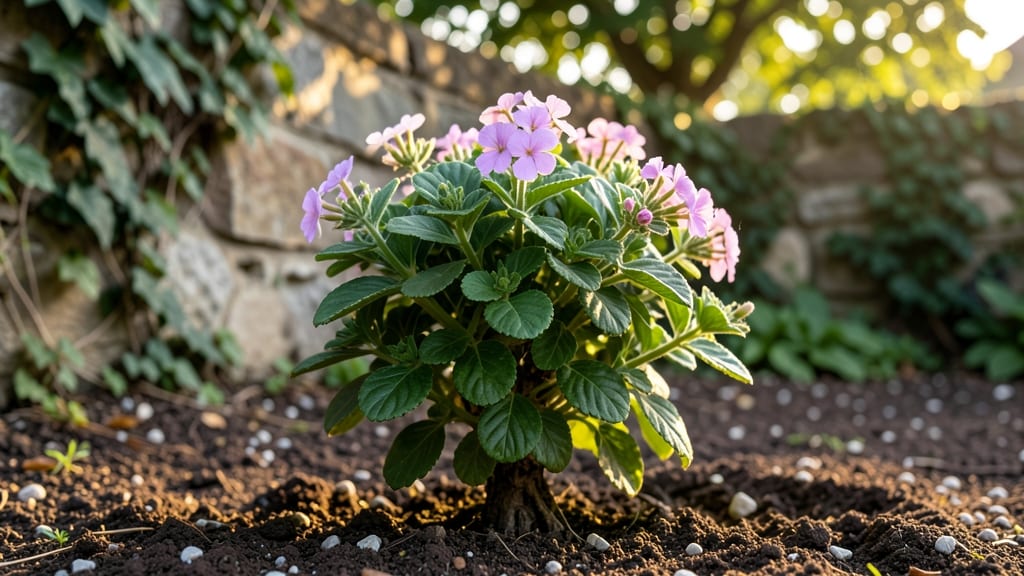
That zesty lemon scent in your garden isn’t just for looks—it’s a game-changer for your kitchen and cocktails. 🌿 Lemon-scented shrubs like lemon verbena and mock orange thrive with minimal fuss, turning your yard into a fragrant oasis that doubles as a culinary powerhouse.
I’ve grown both for years, and the key is matching their love of sun and well-draining soil to your space. Start with 6+ hours of sunlight daily and soil that drains fast (amend heavy clay with compost).
Water when the top inch feels dry, but avoid soggy roots—these shrubs hate wet feet. Prune lightly after blooming to encourage bushier growth, and pinch back leggy stems in early spring. The fragrance peaks in morning sunlight, so plant near seating areas or kitchen windows.
By midsummer, you’ll be harvesting leaves for homemade lemon verbena syrup, vinegar, or tea—10x fresher than store-bought. The glossy foliage also deters pests like aphids, making it a dual-purpose plant. Varieties like Aloysia citrodora (lemon verbena) and Philadelphus (mock orange) handle heat and drought once established.
For best results, propagate by cuttings in spring or layer existing stems. Whether you’re growing in containers or borders, these shrubs reward patience with years of fragrant blooms and harvests. Ready to turn your garden into a citrusy paradise?
📚 In This Guide
- What you need
- Instructions
- Tips and common mistakes
- Wrapping up and next steps
What you need
- ● Fresh lemons: 12–15 medium-sized (organic preferred for pesticide-free prep)
- ● White vinegar: 1 cup (5 oz / 150 mL) of distilled white vinegar (5% acidity or higher)
- ● Granulated sugar: 1 cup (7 oz / 200 g) white or raw sugar (adjust to taste)
- ○ Fresh herbs (optional but recommended): 1 sprig fresh rosemary or thyme (for depth)
- ● 2–3 fresh mint leaves (for brightness)
- ● Clean glass jar: 1 quart-sized (32 oz / 946 mL) with an airtight lid (sterilized with hot water)
- ● Chef’s knife: 1 (sharp, for slicing lemons)
- ● Cutting board: 1 (preferably wood or plastic)
- ● Measuring cups/spoons: Set for precise sugar and vinegar ratios
- ● Wooden spoon or spatula: 1 (for stirring)
- ● Fine-mesh strainer or cheesecloth: 1 (for straining if desired)
- ○ Food processor or mortar & pestle (optional): For muddling herbs if using
- ○ Dark storage bottle (optional): Amber glass to preserve flavor and block light
Step-by-step guide to growing lemon scented shrub
Here's the simple method I use to grow fragrant lemon-scented shrubs that'll fill your garden with citrusy charm.
🌱 Step 1: Choose the Right Location and Plant
Select a part-sun to full-sun spot that receives at least 4-6 hours of sunlight daily. Lemon-scented shrubs (like Murraya paniculata) thrive in well-draining soil with a slightly acidic to neutral pH. If your soil is heavy clay, amend it with 2-3 inches of compost before planting.
Plant your shrub in early spring after the last frost, when the soil has warmed to at least 60°F. Dig a hole twice as wide as the root ball but only as deep—planting too deep suffocates the roots. Gently remove the shrub from its container and loosen any circling roots with your fingers.
💧 Step 2: Water and Mulch for Healthy Growth
Water deeply right after planting to settle the soil around the roots. You’ll want 1-1.5 gallons of water for each 6-inch pot or young plant. Over the next 2-3 weeks, keep the soil consistently moist—not soggy, but never letting it dry out completely. You’ll know it’s right when the top 1-2 inches of soil feel damp but not wet.
Once established, apply 2-3 inches of mulch around the base (keeping it 2-3 inches away from the trunk) to retain moisture and regulate soil temperature. I use wood chips or shredded bark—they break down slowly and add organic matter over time. Replenish the mulch layer every 6-12 months to maintain its effectiveness.
☀️ Step 3: Prune for Shape and Citrus Boost
Prune your lemon-scented shrub in late winter or early spring before new growth begins. This is when the plant is dormant, making it easier to shape without stressing it. Use clean, sharp pruning shears to trim back overgrown branches by about one-third to encourage bushier growth. Always cut just above a leaf node or outward-facing bud to promote healthy regrowth.
For an extra citrusy boost, pinch back new growth tips in early summer. This encourages the plant to produce more fragrant leaves and flowers. You’ll notice the leaves smell stronger and brighter after pruning—it’s like giving the plant a little "wake-up" call to focus its energy on aroma production.
✂️ Step 4: Harvest Leaves for Culinary Use
Harvest leaves in the morning when their citrus oils are at peak concentration. Snip individual leaves or small sprigs with clean scissors, leaving at least half the plant intact so it continues growing. Store harvested leaves in the fridge for up to 1 week or freeze them in ice cube trays for later use in cocktails, salads, or teas.
If you want to preserve the lemon scent, avoid boiling the leaves—opt for infusing in vinegar or oil instead. For example, add a handful of fresh leaves to white vinegar in a jar, seal it, and let it sit for 2-4 weeks in a cool, dark place. The result? A bright, citrusy shrub syrup perfect for dressings or cocktails.
Tips & tricks for perfect lemon scented shrub
Here's what nobody tells you about growing lemon-scented shrubs that'll make your garden smell like sunshine.
Sunlight Secret: While 4-6 hours of sunlight is the minimum, your shrub will reward you with even more fragrance if you give it full sun. I've noticed that plants in full sun develop leaves with a more intense citrus aroma—almost like they're working overtime to soak up that sunshine. If you're in a hot climate, provide afternoon shade to prevent leaf scorch while still maximizing that lemony goodness.
Soil Test Tip: Before planting, do a simple pH test of your soil—lemon-scented shrubs prefer slightly acidic to neutral (6.1-7.3 pH). If your soil is too alkaline, mix in some peat moss or sulfur to adjust it. I learned this the hard way after my first plant grew slowly because the soil was too basic. The difference in growth after amending was dramatic!
Watering Wisdom: Those first 2-3 weeks after planting are critical for root establishment. I've found that using a moisture meter helps avoid over- or under-watering—aim for that "damp but not wet" feel in the top 1-2 inches of soil. A good trick is to water in the morning so the leaves have time to dry, preventing fungal issues. Once established, your shrub will be more drought-tolerant, but consistent moisture keeps the leaves fragrant and lush.
Pruning Pro Move: When you're trimming back those overgrown branches in late winter, save the clippings! Bundle them and hang them upside down in a dry, dark place for a few weeks. The dried leaves make excellent potpourri or can be crushed and used as a natural air freshener. This is my favorite way to extend the lemon scent beyond just the plant itself.
Pro Tips for Lemon Scented Shrub
- Here's what nobody tells you about growing lemon-scented shrubs that'll make your garden smell like sunshine.
- Sunlight Secret: While 4-6 hours of sunlight is the minimum, your shrub will reward you with even more fragrance if you give it full sun.
- Soil Test Tip: Before planting, do a simple pH test of your soil—lemon-scented shrubs prefer slightly acidic to neutral (6.1-7.3 pH).
Frequently asked questions
Got questions about lemon-scented shrub? You’re not alone!
Here are answers to the most common ones—whether you're troubleshooting, planning ahead, or just curious about this zesty vinegar twist.
What’s the difference between shrub and regular vinegar?
Shrub is a tangy, citrus-infused vinegar syrup made by steeping fruit (like lemons) in apple cider vinegar with sweetener—usually honey or sugar. Unlike plain vinegar, it’s sweet-sour, making it perfect for dressings, cocktails, or marinades. Think of it as a fancy, boozy fruit syrup!
How long does lemon-scented shrub last?
When stored in an airtight container in the fridge, your shrub will stay fresh for 3–4 months. For longer shelf life (up to 6 months), freeze it in ice cube trays—just thaw before using. Pro tip: If mold appears or the scent fades, it’s time to toss it!
Can I use shrub in cocktails?
Shrub adds a bright, citrusy kick to drinks like shrub spritzers (mix with sparkling water and gin) or mojitos (swap simple syrup for shrub). Start with 1–2 tbsp per drink—adjust to taste. Bonus: It’s also great in mocktails for a non-alcoholic zing!
What if my shrub turns cloudy or separates?
Cloudiness or separation usually means the fruit wasn’t fully strained or the vinegar/sugar ratio was off. Fix it: Whisk vigorously or blend briefly to re-emulsify. If it smells off, discard it. Prevent it: Use finely chopped fruit and strain through a fine-mesh sieve for a smoother result.
Are there other fruits I can use besides lemons?
Yes! Swap lemons for limes, berries, peaches, or even herbs like rosemary for unique flavors. Just adjust sweetness—tart fruits (like lemons) need more honey, while sweet fruits (like peaches) may need less. Experiment!
Wrapping up and next steps
Ready to elevate your kitchen with a zesty twist? The lemon-scented shrub is your secret weapon—whether you're crafting vibrant cocktails, brightening salads, or preserving summer flavors year-round. With just a few simple ingredients and a little patience, you’ve unlocked a versatile, tangy staple that’s far more exciting than store-bought alternatives.
Now that you’re equipped with the know-how, why not experiment? Start small: drizzle it over grilled veggies, mix it into marinades, or even use it as a tangy glaze for roasted meats. Your next step? Grab those lemons, gather your jars, and let your creativity shine—your taste buds will thank you! 🍋✨