
Aphids
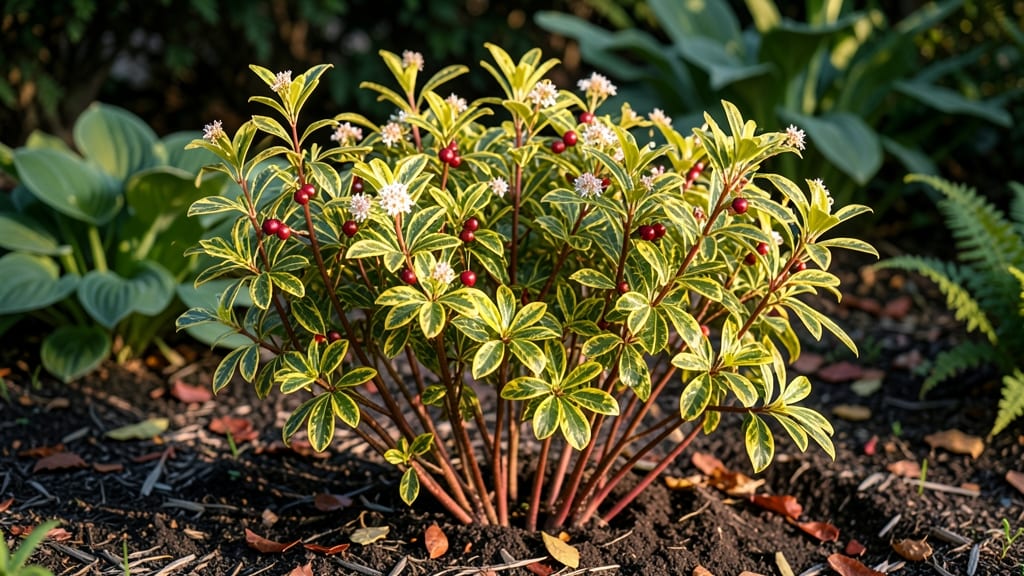
The Lemon Lime Nandina shrub is your answer to a lush, thorn-free privacy screen that grows faster than you'd expect. 🌿 I planted mine last spring, and by year three, it formed a dense, vibrant hedge—without a single thorn to worry about. The bright yellow-green foliage stays striking all season, and the red berries add winter interest. This shrub thrives in partial shade to full sun, making it perfect for spots where other plants struggle. It handles heat and humidity like a champ, and once established, it barely needs watering. The key is well-draining soil—no soggy roots here. With proper care, you'll get a screen that's both beautiful and low-maintenance. The real magic happens in late summer when the foliage turns a fiery red, and those berries appear. Birds love them, but they won't spread invasively like some other shrubs. Plus, the texture is soft—great for touching up garden beds or lining pathways. For best results, prune lightly after flowering to shape it, and fertilize once a year in early spring. In just three years, you'll have a vibrant, thorn-free barrier that outshines traditional hedges. Ready to transform your space?
📚 In This Guide
- What you need
- Instructions
- Tips and common mistakes
- Wrapping up and next steps
What you need
- ● Lemon Lime Nandina Plants: 3–5 nursery-grown Nandina domestica ‘Lemon Lime’ (1–2 ft tall) for a full, lush screen.
- ● Well-Draining Soil: 10–15 bags of native soil + compost mix (or 50% potting soil + 50% perlite/sand for containers).
- ● Organic Mulch: 2–3 bags of pine bark or shredded leaves (2–3 inches deep).
- ● Slow-Release Fertilizer: 1 lb of balanced 10-10-10 or acidic fertilizer (e.g., 8-3-9) for planting.
- ○ Pesticide (Optional but Recommended): Neem oil or insecticidal soap (16 oz) to preempt aphid infestations.
- ● Gardening Gloves: 1 pair (heavy-duty for digging).
- ● Trowel or Spade: 1 medium-sized (for planting holes).
- ● Pruners: 1 pair of sterilized, sharp pruners (for trimming).
- ● Watering Can or Hose: With a gentle spray nozzle (avoid blasting roots).
- ● Measuring Tape: 1 (to space plants 3–4 ft apart for optimal growth).
- ● Sunlight Check: Confirm your site gets partial shade to full sun (6+ hours/day).
- ● Soaker hose for deep, consistent watering.
- ● Plant stakes (if your area is windy).
- ● Epsom salt (1 tbsp/month) for magnesium boosts.
- ● Bird netting (to protect young plants from pests).
Step-by-Step guide to planting Lemon Lime Nandina for a fast privacy screen
This thorn-free shrub grows into a lush, golden privacy screen in just three years—here’s how to get started right.
🌱 Step 1: Choose the Perfect Planting Spot
Pick a location with partial shade to full sun—Lemon Lime Nandina thrives in 4-6 hours of sunlight daily but tolerates morning shade in hotter climates. I always check the spot at midday; if it’s too harsh, the shrub’s vibrant foliage will fade. Avoid low-lying areas where water pools, as soggy roots lead to root rot.
Measure the mature width of your desired screen—these shrubs spread 4-6 feet wide at maturity. Space plants 6 feet apart for a dense hedge. If planting near a fence or wall, leave 2 feet of clearance to prevent overcrowding and allow airflow.
🪴 Step 2: Prepare the Soil and Dig Holes
Test your soil’s drainage by digging a 6-inch deep hole—if water sits after 30 minutes, amend with 2-3 inches of compost or sand to improve aeration. Lemon Lime Nandina prefers slightly acidic to neutral soil (pH 5.0-7.0). I like to mix in a handful of slow-release fertilizer at planting to give roots a nutrient boost right away.
Dig holes twice as wide as the root ball but only as deep as the container. Set the plant in so the top of the root ball sits 1 inch above soil level—this prevents waterlogging and helps roots establish faster. Gently loosen roots if they’re circling the pot before placing them in the hole.
💧 Step 3: Plant and Water Thoroughly
Backfill the hole with native soil, pressing lightly to remove air pockets but not compacting too firmly. Water deeply immediately after planting—this settles the soil and eliminates air gaps around roots. You’ll know it’s done when water drains freely from the bottom of the hole.
Add 2-3 inches of mulch around the base, keeping it 3 inches away from the stem to prevent rot. Mulch retains moisture and regulates soil temperature, which is especially helpful in the first year. Water every 2-3 days until new growth appears—this keeps the soil consistently moist but not soggy.
☀️ Step 4: Maintain for Rapid Growth
Prune in late winter or early spring to shape the shrub and encourage bushier growth. Cut back one-third of the oldest stems to the ground—this rejuvenates the plant and triggers fresh, vibrant foliage. I always sterilize pruners with rubbing alcohol between cuts to prevent disease spread.
Fertilize once in early spring with a balanced, slow-release fertilizer (10-10-10 ratio). Avoid over-fertilizing, as this leads to leggy growth and fewer flowers. Watch for yellowing leaves—this usually means too much water or poor drainage. Adjust your watering schedule if the soil stays damp for more than 48 hours after watering.
⏰ Step 5: Monitor for Pests and Seasonal Care
Check for spider mites or scale insects every 2 weeks in hot, dry weather—these pests thrive on stressed plants. Spray with neem oil if you spot webbing or sticky residue on leaves. Lemon Lime Nandina is generally pest-resistant, but early intervention prevents infestations from spreading.
In winter, protect young plants from freezing temperatures by wrapping the base with burlap or applying a 2-inch layer of mulch. Mature shrubs handle cold well, but first-year plants benefit from extra insulation. Prune lightly in late winter to remove any dead or damaged stems before new growth begins.
Tips & tricks for perfect Lemon Lime Nandina privacy screens
These practical insights will help your thorn-free hedge thrive faster and stay vibrant for years.
Sunlight Strategy: The 4-6 hours of sunlight mentioned in Step 1 is ideal, but here's the thing: morning sun is gentler than afternoon heat. If you're in a hot climate, prioritize morning sunlight and afternoon shade—this prevents leaf scorch while still giving your shrubs the energy they need. I've seen plants in full afternoon sun develop brown tips by summer, so adjust if your yard gets intense midday rays.
Soil Test Shortcut: Testing soil pH (5.0-7.0) can feel intimidating, but you don't need a lab kit. Grab a bag of azalea or gardenia fertilizer from your local nursery—they're formulated for acidic to neutral soils like Lemon Lime Nandina needs. Sprinkle a little in your planting hole as you prepare it; this gives you instant confidence your soil conditions are right.
Watering Wisdom: Those 2-3 days between waterings in Step 3 work for average conditions, but your schedule might need tweaking. Stick your finger 2 inches into the soil—if it's dry, water. If it's still damp, wait. Overwatering is the #1 killer of young shrubs, so err on the side of less frequent, deeper waterings. A soaker hose buried near the roots delivers moisture right where it's needed without wetting the leaves.
Pruning Pro Tip: When you cut back one-third of the oldest stems in Step 4, look for stems that are thicker than a pencil—they're the ones that need rejuvenating. Cut them back to the ground, but leave the newer, thinner stems alone. This creates that lush, bushy look while encouraging fresh growth. And here's a secret: the new shoots that emerge from the base after pruning are the most vibrant—save some for cuttings if you want to propagate your hedge!
Pro Tips for Lemon Lime Nandina Shrub
- These practical insights will help your thorn-free hedge thrive faster and stay vibrant for years.
- Sunlight Strategy: The 4-6 hours of sunlight mentioned in Step 1 is ideal, but here's the thing: morning sun is gentler than afternoon heat.
- Soil Test Shortcut: Testing soil pH (5.0-7.0) can feel intimidating, but you don't need a lab kit.
Frequently asked questions
Got questions about the Lemon Lime Nandina shrub? You’re not alone!
Here are answers to the most common queries—from planting to pest control—so you can grow a thriving, thorn-free privacy screen with confidence.
How fast does the Lemon Lime Nandina grow?
The Lemon Lime Nandina is a fast-growing shrub, reaching 3–5 feet tall and wide in just 3 years with proper care. In ideal conditions, it can grow up to 6 feet tall over time. Plant it in full sun to partial shade for the best growth rate—think 1–2 feet per year!
Is this shrub really thorn-free?
Yes! Unlike traditional Nandina domestica, the Lemon Lime variety is completely thorn-free, making it pet- and kid-friendly. Its glossy, lime-green leaves add a pop of color without the prickly surprises. Just be mindful of its sharp stems when pruning—wear gloves!
What pests or diseases should I watch for?
While Lemon Lime Nandina is highly resistant to pests, aphids and spider mites may occasionally appear. Neem oil or insecticidal soap can treat infestations. Watch for leaf spot in humid climates—improve airflow and avoid overhead watering to prevent fungal issues.
Can I grow this shrub in cold climates?
This variety is hardy in USDA Zones 6–11, tolerating winter temps down to 0°F (-18°C). For extra protection in colder zones, mulch the base with 2–3 inches of organic matter (like shredded bark) after the first frost. It’s a great low-maintenance option for northern gardens!
What’s a good alternative if I need faster privacy?
If you’re in a hurry, consider Bamboo (e.g., Fargesia) for rapid growth (3–5 feet/year) or Emerald Green Arborvitae for year-round coverage. However, Lemon Lime Nandina wins for its colorful foliage, wildlife benefits, and thorn-free safety—plus, it’s deer-resistant!
Pro Tip:
For bold color, plant Lemon Lime Nandina alongside Dwarf Fountain Grass or Japanese Maple. The contrast of lime-green leaves and burgundy stems in fall creates a stunning privacy screen that’s both functional and eye-catching!
Wrapping up and next steps
The Lemon Lime Nandina shrub is your fast-growing, thorn-free solution for natural privacy—no fuss, just beauty! 🌿 With its vibrant foliage and low-maintenance charm, it’s perfect for transforming your outdoor space in just three years.
Whether you’re battling aphids or simply craving a pop of color, this shrub delivers effortless elegance.
Ready to get started? Plant yours today and watch your garden thrive! For extra tips, check out our FAQ section or explore companion plants to boost your garden’s resilience. Happy gardening! 🌱