
Landscaping
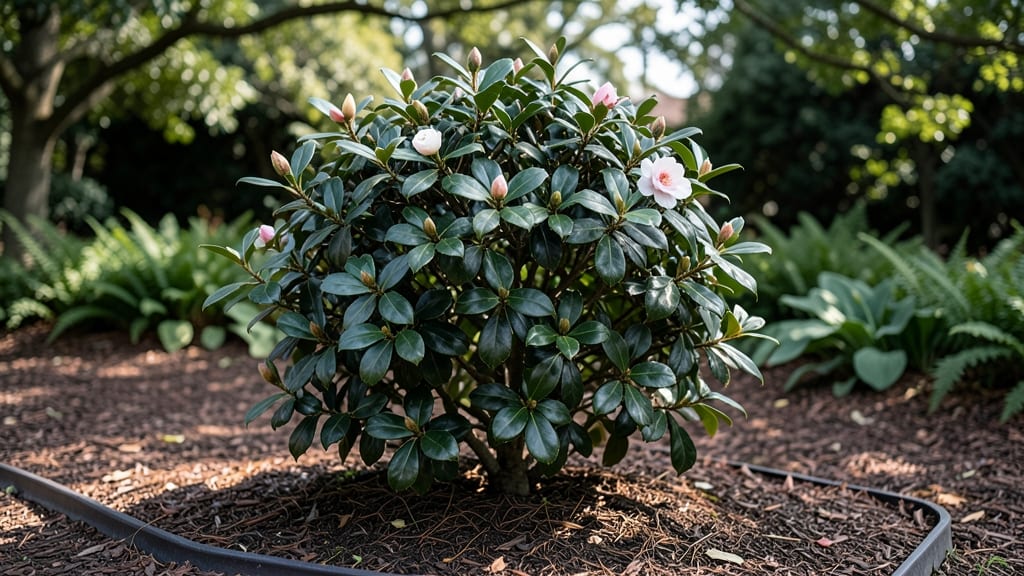
Finding landscaping shrubs near you starts with your local climate and soil type, but these fast-growing, low-maintenance varieties thrive in most regions: Boxwoods for evergreen structure, Hydrangeas for bold seasonal blooms, and Lilacs for fragrant spring displays. For region-specific options, visit nearby nurseries to explore hardy choices like Oleander or Butterfly Bushes, while paying attention to spacing and sunlight requirements for healthy growth.
Your local nursery is your best resource for shrubs that will flourish with minimal effort. 🌿 Many fast-growing varieties like Boxwoods or Hydrangeas adapt well to different climates once you match them to your yard's conditions—whether that's well-drained soil for arid areas or moist, acidic soil for northern gardens.
The key is balancing growth speed with care requirements; for example, Butterfly Bushes spread quickly but may need occasional pruning to control their size. I always recommend testing soil pH before planting, as this simple step can prevent nutrient deficiencies that slow growth or cause yellowing leaves.
When selecting shrubs, consider both their mature size and how they'll fit into your landscape design. A 3-foot-tall Hydrangea planted too close to a walkway will eventually block access, while a 6-foot Lilac needs ample space to develop its signature fragrance.
Most nurseries offer young plants that establish roots within 1-2 seasons, making them ideal for quick visual impact. For drought-prone areas, look for native varieties like Dwarf Yaupon Holly, which requires little water once established.
💡 In This Article
- Climate-Specific Shrubs for Your Region
- How to Choose and Plant Low-Maintenance Shrubs
Climate-specific shrubs for your region
The USDA Plant Hardiness Zone Map is your best tool for matching shrubs to your local climate. Each zone (1-13) represents a 10°F temperature range, and selecting plants rated for your zone ensures they'll survive winter freezes.
For example, Zone 3 (northern climates) thrives with Winterberry Holly, which produces striking red berries in winter and tolerates -40°F temperatures, while Zone 9-11 (southern deserts) favors Texas Sage, which thrives in 100°F+ heat with minimal water.
Soil pH and moisture needs vary dramatically by region. Acid-loving shrubs like Azaleas (pH 4.5-6.0) flourish in northern forests but wilt in alkaline Zone 7+ soils, while alkaline-tolerant Oleander (pH 6.1-8.0) dominates coastal southern gardens.
In arid Zone 5-8 areas, Dwarf Russian Olive requires only 1 inch of water monthly once established, while Zone 4-5 gardens need Evergreen Juniper for snow resistance and windbreaks.
Sunlight exposure creates another critical layer. Full sun (6+ hours daily) shrubs like Butterfly Bush thrive in southern climates but may scorch in Zone 6+ summers, while partial shade (3-6 hours) varieties like Dwarf Fothergilla handle northern humidity better.
Always check a shrub's native habitat—coastal plants often tolerate salt spray, while inland varieties may struggle.
Here's a quick regional breakdown:
- Northern Climates (Zones 3-5): Winterberry Holly (winter berries), Potentilla (drought-tolerant blooms), Smokebush (fragrant foliage)
- Southern Climates (Zones 7-11): Oleander (heat-resistant blooms), Texas Sage (drought-proof), Firebush (hummingbird magnet)
- Arid Regions (Zones 4-8): Dwarf Yaupon Holly (water-wise), Desert Willow (drought-tolerant), Russian Sage (silver foliage)
Pro tip: Local nurseries often stock region-specific cultivars that outperform generic varieties. For example, Zone 5 gardens benefit from 'Corkscrew' Hazelnut, while Zone 9 thrives with 'Little Gem' Magnolia. Always ask about microclimates—your yard's specific conditions may vary from the general zone.