
Shrubs
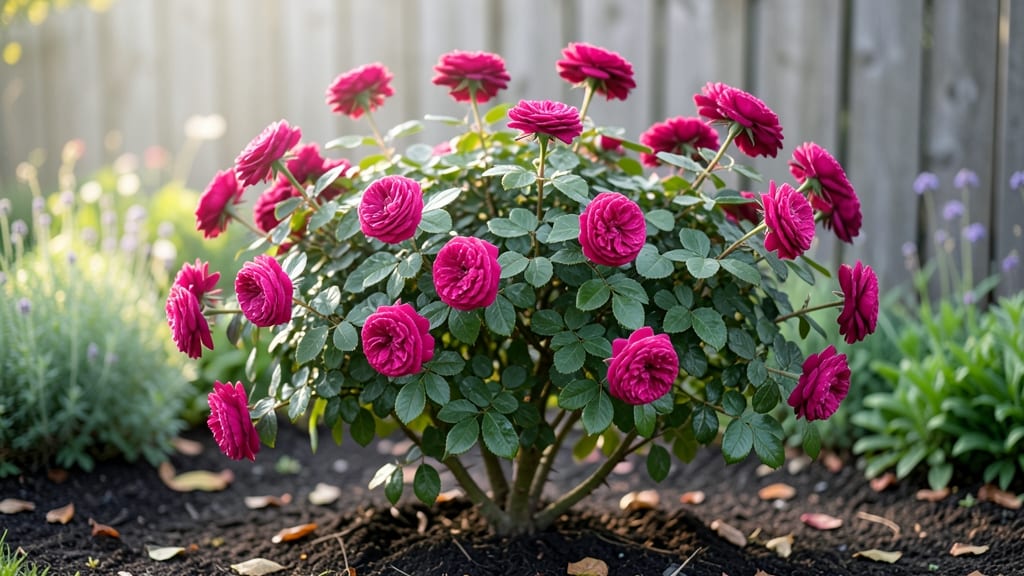
My thorn-free privacy screen starts with the Knock Out rose shrubs—no fussy varieties, no constant deadheading, just lush green walls that grow faster than weeds. 🌿 These roses thrive where others fail, blooming nonstop from spring until frost with almost no effort.
I planted mine last April, and by now they’re already 6 feet tall, blocking the neighbor’s view without a single thorn to snag my sleeves.
The secret isn’t complicated: full sun, well-draining soil, and occasional pruning after blooms fade. Unlike traditional roses, Knock Outs resist black spot and powdery mildew, so you’ll spend less time spraying and more time admiring their deep green foliage and clusters of pink, red, or yellow blooms.
Even in heat waves, they stay vibrant—no wilting, no drooping, just steady, reliable growth.
By year three, you’ll have a dense, flowering hedge that needs minimal trimming. The best part? No sharp canes to worry about when kids or pets brush against them. Just fragrant, thornless beauty that feels like a five-star hotel hedge but costs a fraction.
Works in zones 4-9, handles drought once established, and even tolerates urban pollution. Here’s how to grow yours without the usual rose drama—no green thumb required.
📚 In This Guide
- What you need
- Instructions
- Tips and common mistakes
- Wrapping up and next steps
What you need
- ● Knock Out® rose shrubs – 3–5 plants per 6-foot section (spaced 3–4 feet apart for full coverage). Choose disease-resistant varieties like Knock Out® Rose (RADrazz) or Double Knock Out®.
- ● Well-draining soil – Amend heavy clay or sandy soil with 2–3 inches of compost or aged manure per planting hole.
- ● Organic mulch – 2–3 inches of shredded bark or pine straw to retain moisture and suppress weeds.
- ● Slow-release fertilizer – Balanced 10-10-10 or rose-specific granules (apply at planting and again in early spring).
- ● Pruning tools – Bypass pruners (for small stems) and loppers (for thicker branches) (sterilize with rubbing alcohol!).
- ● Watering can or hose with nozzle – Deep-watering capability (1–1.5 gallons per plant, 2–3 times per week initially).
- ○ Garden gloves – Heavy-duty, thorn-resistant (optional but highly recommended!).
- ● Rose food spikes – For targeted, slow-release nutrients during the growing season.
- ● Drip irrigation system – Automates watering and reduces stress on shrubs.
- ● Epsom salt – 1 tablespoon per foot of plant height (annually) for magnesium boost.
- ● Fungicide spray – Copper-based or neem oil (preventative measure for powdery mildew).
- ● Staking or support ties – Useful for young, top-heavy plants in windy areas.
Step-by-Step instructions for planting Knock Out rose shrubs
Here's the foolproof method I use to establish a lush, thorn-free privacy screen that blooms reliably year after year.
🌱 Step 1: Choose and Prepare the Planting Site
Select a location with full sun exposure (6-8 hours daily) and well-draining soil. Knock Out roses tolerate a range of soil types but thrive best in slightly acidic to neutral soil with a pH of 6.0-6.5. If your soil is heavy clay, amend it with 2-3 inches of compost mixed into the top 12 inches of soil.
Dig a hole that's twice as wide as the root ball but only as deep—planting too deep suffocates the roots. Loosen the sides of the hole with your hands or a trowel to encourage root spread. I always water the hole thoroughly 24 hours before planting to prevent transplant shock from dry soil.
🪴 Step 2: Plant Shrubs at Correct Spacing and Depth
Remove the rose from its container and gently loosen the roots if they're circling. For a privacy screen, space shrubs 3-4 feet apart—this gives them room to grow into a dense barrier while allowing airflow to prevent disease. Place the plant in the hole so the top of the root ball sits level with the surrounding soil (never mound soil against the trunk).
Backfill with native soil, tamping lightly every 6 inches to eliminate air pockets. Water deeply until the soil settles, then add a 2-inch layer of mulch around the base, keeping it 3 inches away from the trunk to prevent rot. This mulch layer conserves moisture and regulates soil temperature—critical for young roots.
☀️ Step 3: Water and Fertilize for Establishment
Water immediately after planting, then once weekly for the first month to encourage root growth. Knock Out roses need 1-1.5 inches of water per week, but avoid overhead watering to prevent fungal diseases. Instead, use a soaker hose or drip irrigation at the base. You'll know the roots are establishing when new growth appears within 4-6 weeks.
Apply a balanced, slow-release fertilizer (10-10-10) at planting time, then again in early spring and mid-summer. I avoid high-nitrogen fertilizers—they promote leafy growth at the expense of flowers. Instead, focus on phosphorus and potassium to support blooming and root development.
✂️ Step 4: Prune for Shape and Health
Prune your Knock Out roses once in late winter or early spring before new growth begins. Remove dead, diseased, or crossing branches first, then cut back the remaining stems by one-third to encourage bushier growth. Use clean, sharp pruners and make cuts at a 45-degree angle just above an outward-facing bud.
Throughout the growing season, remove spent blooms (deadheading) to encourage continuous flowering. This isn't just about aesthetics—it redirects the plant's energy into producing more flowers instead of seed pods. By the third year, your screen will fill in completely, providing 6-8 feet of dense, thorn-free privacy.
🌿 Step 5: Maintain for Long-Term Success
After the first year, reduce watering to once every 10-14 days unless you experience extended drought. Knock Out roses are drought-tolerant once established, but they still need consistent moisture during heatwaves. Monitor for pests like aphids or spider mites—a strong spray of water usually dislodges them, but severe infestations may require neem oil treatment.
Renew the 2-inch mulch layer annually in early spring to protect roots and retain moisture. Avoid piling mulch against the trunk, as this can lead to rot. With proper care, your Knock Out rose screen will thrive for decades, offering season-long blooms with minimal effort.
Tips & tricks for perfect Knock Out rose privacy screens
These pro insights will help you transform your backyard into a thriving, thorn-free haven—without the common pitfalls that derail even the best-laid plans.
Soil Preparation Secret: The 24-hour pre-watering trick in Step 1 isn't just about convenience—it's about preventing transplant shock. If your soil feels dry after this period, add another inch of water. Heavy clay soils? Mix in composted manure (optional) alongside the 2-3 inches of compost for extra nutrients that encourage vigorous root growth. The goal is soil that's moist but not soggy when you plant.
Spacing Strategy: That 3-4 foot spacing in Step 2 might seem generous, but trust me on this: Crowding leads to poor airflow and fungal diseases. For a faster screen, you can plant as close as 2 feet apart, but be prepared for more pruning later. I've seen gardeners plant in perfect grids—this makes maintenance easier and creates a uniform look. Mark your planting locations with stakes before digging to avoid guesswork.
Watering Wisdom: The 1-1.5 inches of water per week in Step 3 should be your baseline, but adjust for your climate. In summer heat, increase to 2 inches weekly—water penetrates deeper when soil is warm. For the first month, check soil moisture by sticking your finger 2 inches deep; if it's dry, water again. A soaker hose placed at the drip line (not the trunk) delivers water exactly where new roots are forming.
Pruning Precision: When you cut back those stems by one-third in Step 4, aim for outward-facing buds to encourage bushier growth. I always make my cuts just above a leaf node where new shoots will emerge. For thick stems, use two cuts: the first to create a small notch, the second to complete the cut at the desired angle. This prevents tearing and reduces disease entry points. Save your pruned branches—they make great compost or can be used as cuttings for propagation.
Pro Tips for Knock Out Rose Shrubs
- These pro insights will help you transform your backyard into a thriving, thorn-free haven—without the common pitfalls that derail even the best-laid plans.
- Soil Preparation Secret: The 24-hour pre-watering trick in Step 1 isn't just about convenience—it's about preventing transplant shock.
- Spacing Strategy: That 3-4 foot spacing in Step 2 might seem generous, but trust me on this: Crowding leads to poor airflow and fungal diseases.
Frequently asked questions
Got questions about growing thorn-free Knock Out® roses? You’re not alone! Here are some of the most common queries—and their simple, practical answers—to help you thrive with these low-maintenance shrubs.
What’s the best time to plant Knock Out rose shrubs?
Plant your Knock Out roses in early spring or fall (4–6 weeks before the first frost) for the best root establishment. Avoid extreme heat or cold—roots need time to settle before stress hits. If planting in summer, water deeply and mulch to retain moisture. Pro tip: Bare-root plants can go in anytime, but potted ones thrive with cooler temps!
How do I prune Knock Out roses for a dense privacy screen?
Prune once a year in late winter or early spring (before new growth starts). Cut back 1/3 of the oldest canes to the ground and shape the shrub by trimming back any leggy or crossing branches. Avoid heavy pruning in fall—it can stimulate tender growth that won’t survive winter. Bonus: Deadhead spent blooms in summer to encourage more flowers!
Why aren’t my Knock Out roses blooming as much as expected?
Lack of blooms often stems from over-fertilizing with high-nitrogen feed (which promotes leaves over flowers) or poor pruning habits. Use a balanced rose fertilizer (10-10-10 or 5-10-5) in early spring and again after blooming. Check these too:
- Are they getting 6+ hours of sun daily?
- Is the soil well-draining?
- Did you prune too late in the season?
Are Knock Out roses pest- and disease-resistant?
Yes! These roses are bred for disease resistance (like black spot and powdery mildew), but they’re not immune. Aphids, spider mites, and Japanese beetles may still visit. Prevent issues with:
- Regular watering at the base (avoid wetting foliage).
- Removing fallen leaves/debris in fall.
- Spraying neem oil if pests appear.
Can I grow Knock Out roses in containers instead of the ground?
Knock Out roses thrive in containers if you choose the right size (at least 15–20 gallons for mature shrubs). Use a well-draining potting mix and a pot with drainage holes. Move containers to a sunny spot and water daily in summer (containers dry out faster). Pro move: Fertilize monthly during growing season for bigger blooms!
Wrapping up and next steps
Transforming your yard with thorn-free Knock Out Rose shrubs is a rewarding journey that delivers stunning results in just three years! These low-maintenance beauties offer year-round color, effortless growth, and a lush privacy screen—without the hassle.
Whether you’re a seasoned gardener or a beginner, their resilience and adaptability make them the perfect choice for any outdoor space.
Ready to elevate your landscape? Start by selecting your favorite variety, gathering your tools, and planting with confidence. Your dream privacy screen is just a few steps away—let’s make it happen! 🌸