
Shrubs
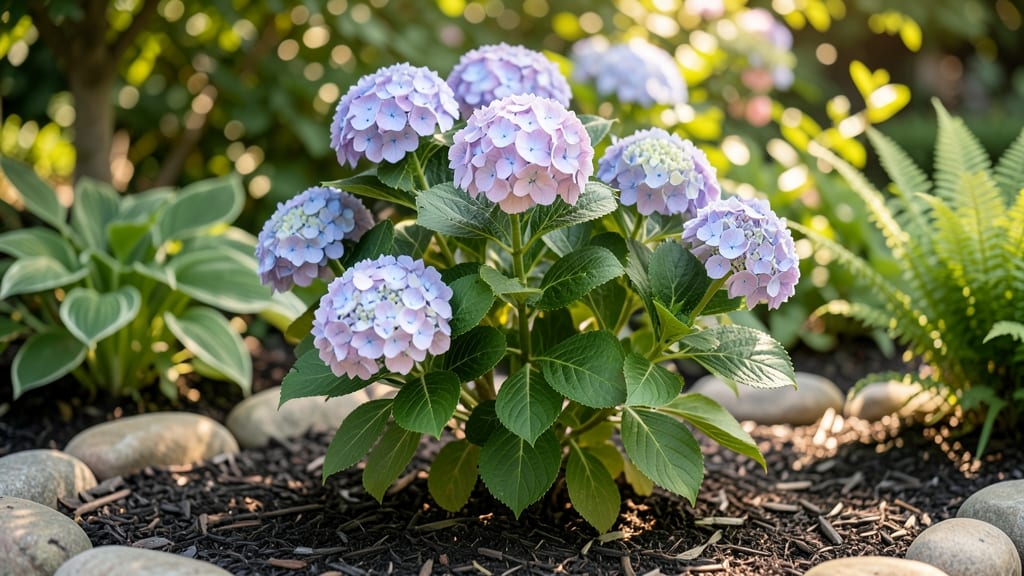
Small hydrangea shrubs like 'Annabelle' and 'Endless Summer' transform any yard into a lush, colorful retreat—but only if you prune them right. ✨ The key to year-round blooms starts in late winter, when you shape these plants to encourage fuller growth and prevent leggy stems.
I learned the hard way that timing matters: prune too early, and you risk cutting off next season’s buds; too late, and you’ll sacrifice this year’s flowers. The magic happens when you trim just as new growth begins, right after the last frost.
For compact varieties, aim to keep them between 3-4 feet tall—that’s perfect for small gardens or containers. What you’ll end up with is a hydrangea that blooms continuously from early summer through fall, with clusters so dense they look like clouds of color.
The foliage stays vibrant, the stems stay strong, and you avoid the heartbreak of sparse blooms that come from poor pruning. This method works for both macrophylla types (like 'Endless Summer') and paniculata varieties (like 'Limelight'), so you can apply it to any small hydrangea in your garden.
📚 In This Guide
- What you need
- Instructions
- Tips and common mistakes
- Wrapping up and next steps
What you need
- ● Pruning shears – Bypass pruners (sharp, clean, and 4-6 inches long) for clean cuts.
- ● Loppers – For thicker branches (1-2 inches in diameter)—look for bypass-style with comfortable grips.
- ● Garden gloves – Heavy-duty, cut-resistant (hydrangeas can have thorns!).
- ● Disinfectant (70% isopropyl alcohol or bleach solution) – 1 part bleach to 9 parts water to sterilize tools between cuts and prevent disease.
- ○ Pruning sealant (optional) – For large cuts (>1 inch in diameter) to protect against pests.
- ● Garden twine or plant ties – To secure heavy branches if needed after pruning.
- ● Trash bag or bucket – For collecting pruned branches (compost or dispose of diseased material separately).
- ● Timing: Prune in late winter (just before buds swell)—typically February to early March in most climates (USDA Zones 5-9).
- ● Weather: Choose a dry, calm day (no rain for 24 hours before/after pruning).
- ● Hydrangea type: Confirm if your shrub is mophead, lacecap, or panicle—pruning needs vary slightly!
- ○ Safety gear (optional but recommended): Safety glasses if dealing with large branches.
Step-by-Step instructions for late-winter hydrangea pruning
Here's my foolproof method for revitalizing small hydrangeas—just follow these simple cuts to unlock bigger blooms all season.
✂️ Step 1: Identify Your Hydrangea Type and Timing
First, confirm you have a smooth hydrangea (Hydrangea arborescens)—these bloom on new wood and thrive with late-winter pruning. Wait until mid-to-late February when temperatures stay above 30°F at night. If you prune too early, cold snaps can damage tender new growth.
Look for dead, crossing, or weak stems—these need removal first. I mark them with a small piece of twine so I don’t accidentally cut healthy growth. Real talk: if your shrub looks like a tangled mess, don’t stress—this is the perfect time to reset it.
✂️ Step 2: Remove Dead and Problematic Stems
Start by cutting out any stems that are brown, mushy, or hollow—these won’t produce blooms and can harbor pests. Use clean, sharp pruning shears and make cuts at a 45-degree angle, about ¼ inch above a outward-facing bud or lateral branch.
Next, remove crossing or rubbing branches—these create wounds where diseases enter. I like to step back and visually "draw" an open center shape. If a stem grows inward, it’s history. You’ll know you’re on track when the shrub’s framework looks like a loose, airy dome.
✂️ Step 3: Prune for Shape and Size Control
For small shrubs, aim to keep them 3-4 feet tall—this encourages dense, manageable growth. Cut back last year’s stems to just above a strong bud or pair of buds, leaving 4-6 inches of new growth below the cut. This ensures the plant has energy to produce blooms and foliage.
Step back often to check your work. If the shrub looks top-heavy, trim a few more stems from the top. Here’s the thing—hydrangeas respond well to bold cuts, so don’t be shy. You’ll see fresh, vibrant growth by early spring.
☀️ Step 4: Post-Pruning Care for Strong Regrowth
After pruning, water deeply to help the plant recover. Add a 2-inch layer of mulch around the base (but not touching the stems) to retain moisture and protect roots. I use shredded bark mulch because it breaks down slowly and improves soil over time.
Now, wait for new growth—you’ll spot it as bright green shoots in 3-4 weeks. This is your cue that the pruning worked. Avoid fertilizing yet; let the plant focus on root and stem development first. Once you see 3-4 inches of new growth, you can feed with a balanced, slow-release fertilizer.
🌿 Step 5: Monitor and Adjust for Year-Round Blooms
Throughout the growing season, remove spent blooms (deadheading) to encourage more flowers. For smooth hydrangeas, you can even trim back lightly in midsummer to shape and promote a second flush of blooms.
Watch for yellowing leaves—this usually means overwatering or poor drainage. If your hydrangea looks stressed, it might need more sunlight (they prefer morning sun and afternoon shade). With proper pruning, you’ll have lush, continuous blooms from early summer through fall.
Tips & tricks for perfect late-winter hydrangea pruning
Late-winter pruning transforms your hydrangea from a tangled mess into a blooming powerhouse—here’s how to avoid common pitfalls and get pro-level results.
Timing is Everything: The mid-to-late February window (when nighttime temps stay above 30°F) is your sweet spot. I’ve learned the hard way that pruning too early risks frost damage to tender new growth. If you miss this window, wait until after the last frost date in your area—just don’t delay past early March or you’ll miss the optimal growth window.
Visual Pruning Cues: In Step 2, when removing crossing branches, imagine drawing an open dome shape. If a stem grows inward toward the center, it’s competing with others for sunlight and nutrients—cut it back completely. For the 45-degree angle cuts, think "pizza slice"—this helps water run off and prevents rot at the cut site. I mark each cut with a small piece of twine to avoid second-guessing later.
Bud Selection Matters: When pruning in Step 3, look for buds that face outward—they’ll grow into branches that catch more sunlight. If you’re unsure which buds are strongest, cut just above a pair of buds rather than a single one. This gives the plant more options for new growth. Remember, you’re shaping the plant’s future blooms right now!
Post-Pruning Recovery: After your cuts, the 2-inch layer of mulch acts like a cozy blanket for the roots. I’ve found that adding shredded bark mulch (not fresh wood chips) prevents soil compaction and slowly releases nutrients. When you spot those bright green shoots in 3-4 weeks, that’s your green light to fertilize—just wait until they’re 3-4 inches tall to avoid burning tender new growth.
Pro Tips for Hydrangea Small Shrub
- Late-winter pruning transforms your hydrangea from a tangled mess into a blooming powerhouse—here’s how to avoid comm...
- Timing is Everything: The mid-to-late February window (when nighttime temps stay above 30°F) is your sweet spot. I’ve...
- Visual Pruning Cues: In Step 2, when removing crossing branches, imagine drawing an open dome shape. If a stem grows ...
Frequently asked questions
When is the best time to prune a small hydrangea shrub for late-winter blooms?
Prune your hydrangea small shrub in late winter or early spring (February–March) before new growth begins. This timing ensures you don’t cut off next year’s flower buds. For mophead or lacecap varieties, focus on shaping and removing dead wood—never prune back into old wood, as blooms form on new growth.
Can I prune hydrangeas in winter if they’re dormant?
Yes, but only if the ground is frozen or snow-covered—this prevents stressing the plant. Avoid pruning during active winter thaws (like December–January) when buds may already be forming. If you must prune in winter, do so on a dry day to minimize disease risk. Pro tip: Mark pruning spots with flags to avoid cutting too aggressively.
Why aren’t my small hydrangeas blooming this year?
Bloom failure often stems from over-pruning, poor sunlight, or improper feeding. Check these:
- Light: Hydrangeas need 6+ hours of sun (partial shade in hot climates).
- Pruning: If you cut back old wood (last year’s stems), you’ve removed this year’s flowers.
- Food/Water: Lack of balanced fertilizer (high in phosphorus) or inconsistent watering can stunt blooms.
Try a light trim in summer to encourage new growth for next year.
What’s a good alternative if my small hydrangea isn’t thriving?
If your hydrangea struggles with disease, pests, or harsh winters, consider these low-maintenance shrubs with similar charm:
- Abelia – Drought-tolerant, blooms summer-to-fall, and thrives in partial shade.
- Dwarf Butterfly Bush – Compact, fragrant, and attracts pollinators.
- Pieris Japonica – Evergreen with showy spring flowers and minimal pruning needs.
All three handle pruning like hydrangeas but with fewer fuss.
How do I fix brown, crispy leaves on my small hydrangea?
Brown leaves usually signal overwatering, underwatering, or fungal issues. Try this:
- Check soil moisture: Stick your finger 2” deep—if damp, reduce watering. If dry, water deeply once a week (more in heatwaves).
- Improve drainage: Amend soil with compost or perlite if water pools.
- Fungal fix: Prune affected leaves, then spray with neem oil or copper fungicide.
Ensure 6+ inches of mulch around the base to retain moisture without suffocating roots.
Wrapping up and next steps
Your journey to cultivating a stunning hydrangea small shrub with vibrant, year-round blooms starts with confidence—and now, you’ve got the blueprint! 🌸 Pruning in late winter isn’t just a task; it’s your secret weapon for healthier growth and breathtaking flowers.
Whether you’re a seasoned gardener or a beginner, these steps will transform your space into a lush, thriving oasis.
Ready to take the next step? Grab your pruners, mark your calendar for late winter, and watch your hydrangea shine brighter than ever. Happy gardening—your future blooms will thank you! 🌿✨