
Pruning
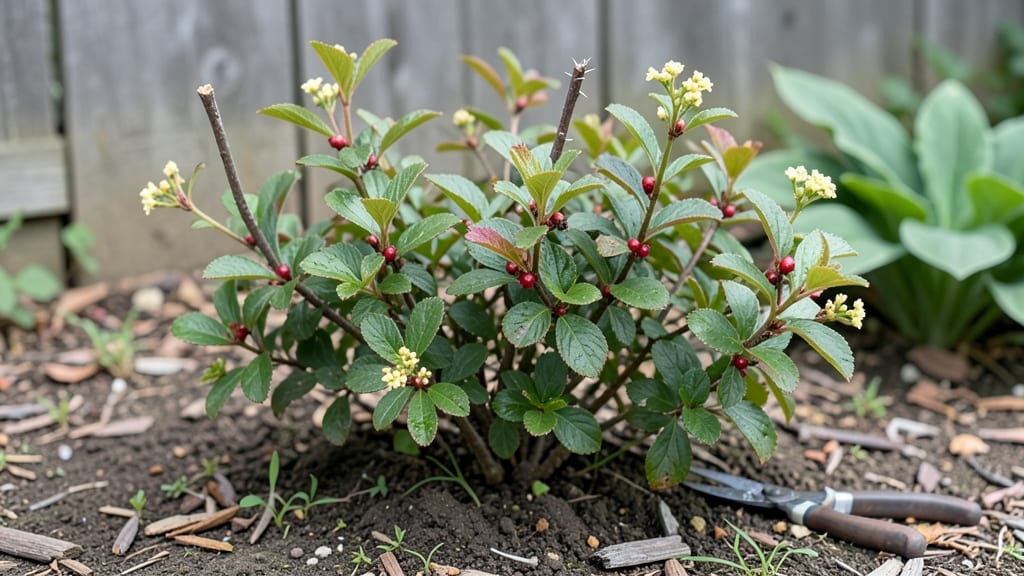
Pruning barberry shrubs keeps them healthy and lush year after year—if you do it right. 🌿 I’ve turned my overgrown barberry hedge into a neat, vibrant border by mastering the timing and technique, and it’s easier than you think once you know the secrets.
The best time to prune depends on your goal: light shaping happens after flowering in early summer, while heavy rejuvenation pruning is best done in late winter or early spring before new growth starts.
You’ll need sharp pruners, gloves (those thorns are no joke!), and a clear plan for which branches to keep or remove. Even a few minutes of prep saves hours of frustration later.
What you’ll end up with is a shrub that stays compact, produces more berries, and resists disease better than before. The foliage stays dense and vibrant, and you’ll avoid the leggy, sparse look that ruins so many barberries. Plus, the right cuts encourage stronger growth for the next season.
Whether you’re dealing with a mature shrub or a young one, these techniques adapt to any size. The key is patience—barberries respond well to gradual shaping rather than drastic cuts. Let’s get those shrubs looking their best!
📚 In This Guide
- What you need
- Instructions
- Tips and common mistakes
- Wrapping up and next steps
What you need
- ● Pruning shears (bypass or anvil type) – Choose sharp, high-quality shears (4-6" blade) for clean cuts.
- ● Loppers – Long-handled (24-30") for thicker branches (1" diameter or larger).
- ● Pruning saw – For thick, woody stems (8" blade with fine teeth for clean cuts).
- ● Gloves (heavy-duty) – Leather or cut-resistant to protect hands from thorns.
- ● Disinfectant (70% isopropyl alcohol or bleach solution) – 1 part bleach to 9 parts water to sterilize tools between cuts and prevent disease.
- ○ Pruning sealant (optional but helpful) – Tree wound paint for large cuts (1" or wider) to reduce sap loss.
- ● Bucket or trash bag – For collecting pruned branches and debris.
- ● Ladder or step stool – If shrubs are taller than 6 feet (ensure stability!).
- ● Hose with nozzle – To clean tools and rinse off sap after pruning.
- ● String or measuring tape – For marking even heights or shapes.
- ● Safety glasses – To shield eyes from debris.
- ● Knee pads – For comfort if pruning low-growing varieties.
Step-by-Step guide to pruning barberry shrubs for lush, healthy growth
Transform your barberry shrubs into vibrant, well-shaped powerhouses with these precise, seasonal pruning techniques.
✂️ Step 1: Prune in Early Spring for New Growth
Grab your pruners and tackle this first when you see new buds swelling on the stems—usually in late February or early March. This is the ideal time because you're shaping the shrub before it puts energy into foliage. I cut back one-third of the oldest stems to the ground, which encourages fresh, vigorous growth from the base.
Focus on removing stems that cross or rub against each other—these create wounds that invite disease. You'll know you're doing it right when you see bright green new shoots emerging within 3-4 weeks. Avoid cutting into old wood that looks dry and brittle, as it won't regenerate.
✂️ Step 2: Light Summer Pruning to Maintain Shape
After the initial spring pruning, wait until mid-June before touching your barberries again. This is when you do light maintenance to keep the shape you've established. Remove any overly leggy growth or branches that spoil the symmetry by cutting them back to a bud facing outward.
I never cut more than 10-15% of the plant's total volume in summer—this keeps the shrub from getting stressed. Watch for yellowing leaves or weak stems, which signal over-pruning. If you see these, hold off on further cuts and focus on watering and feeding instead.
✂️ Step 3: Clean Up in Late Fall for Winter Readiness
When the first frost hits and leaves start turning brown, it's time for your final pruning of the year. Remove any dead, diseased, or crossing branches—these are the ones that will only weigh down the shrub over winter. Cut just above a healthy bud or lateral branch to encourage new growth in spring.
I always sterilize my pruners with rubbing alcohol between cuts to prevent spreading any fungal spores. After pruning, spread a 2-inch layer of mulch around the base (but not touching the stem) to protect roots from freezing. This keeps the plant healthy and ready to burst into growth when spring arrives.
⏰ Step 4: Monitor Year-Round for Health
Between scheduled prunings, keep an eye out for unusual growth patterns or discolored foliage. Barberries are tough, but they'll signal problems if you ignore them. For example, if you notice blackened canes, that's a sign of stem blight—prune those immediately and dispose of them in the trash (not compost).
I also check for spider mites or scale insects on the undersides of leaves. A strong spray of water usually knocks them off, but if the infestation persists, use an insecticidal soap. Healthy barberries reward you with vibrant red berries and lush foliage—proof that your pruning is working!
Tips & tricks for perfect barberry pruning
Transforming your barberry shrubs into thriving, picturesque plants starts with these game-changing pruning secrets that'll keep them healthy and stunning year after year.
The Timing Factor: I can't emphasize enough how critical those 3-4 weeks are after your early spring pruning! This is when the magic happens—those bright green shoots emerging signal your plant is responding perfectly to the fresh air and sunlight. If you're in a cooler climate, don't be surprised if it takes up to 6 weeks to see new growth. Patience pays off with bushier, more vibrant shrubs!
Sterilization Secret: This is what nobody tells you—sterilizing your pruners between cuts in Step 3 prevents fungal spread like crazy. I keep a small bottle of rubbing alcohol in my gardening tool belt and wipe my pruners after every 3-5 cuts, especially when dealing with diseased branches. It takes 10 seconds but saves your entire shrub from potential infections. Think of it as your plant's immune system booster!
Shape Strategy: When maintaining shape in mid-June, I always work from the inside out. Start by removing any branches growing toward the center of the shrub—they'll compete for sunlight and weaken the overall structure. Cutting back to a bud facing outward creates that natural, full look while encouraging new growth in the right direction. This is where the 10-15% rule comes into play—it's your safety net against over-pruning.
Year-Round Health Check: Those vibrant red berries you're dreaming of start with consistent monitoring. I make it a habit to do a quick leaf inspection every 2 weeks during growing season. Flip those leaves over—you'll often spot spider mites or scale insects hiding there first. A simple spray with water from your hose (yes, really!) usually knocks them off before they become a problem. Prevention is the key to keeping your barberries looking their absolute best!
Pro Tips for Prune Barberry Shrubs
- Transforming your barberry shrubs into thriving, picturesque plants starts with these game-changing pruning secrets that'll keep them healthy and stunning year after year.
- The Timing Factor: I can't emphasize enough how critical those 3-4 weeks are after your early spring pruning!
- Sterilization Secret: This is what nobody tells you—sterilizing your pruners between cuts in Step 3 prevents fungal spread like crazy.
Frequently asked questions
Got questions about pruning your barberry shrubs?
You’re not alone! Here are some of the most common concerns—and their straightforward answers—to help you keep your shrubs thriving with confidence.
When is the best time to prune barberry shrubs?
The ideal time is late winter or early spring (before new growth starts), but you can also prune lightly after flowering in early summer. Avoid heavy pruning in fall—it can stimulate tender growth that may not survive winter frost. For established shrubs, a light trim anytime (except mid-winter) is safe!
How much can I cut back my barberry shrubs?
Barberries are tough! You can remove up to one-third of the plant’s oldest stems at the base to rejuvenate growth. For shaping, trim back no more than 25% of the foliage in a single session. Over-pruning can stress the shrub, so take it slow—especially with young plants.
Should I worry about pests or diseases after pruning?
Pruning opens the plant to potential issues, but barberries are naturally resilient. Sterilize your tools with rubbing alcohol between cuts to prevent spreading disease. Watch for spider mites or scale insects—common after pruning—and treat with neem oil if needed. Good airflow from proper pruning actually reduces fungal risks!
Can I prune barberry shrubs for hedges or topiary?
Barberries handle shearing well for hedges, but they thrive best with structured pruning (shaping with hand pruners). For topiary, use wire frames and frequent light trims to encourage dense growth. Avoid heavy shearing in late summer—it can stunt fall color development.
What if my barberry looks leggy or sparse after pruning?
Leggy growth often means it’s time for a rejuvenation prune—cut back half the oldest stems to the ground in late winter. For sparse areas, fertilize lightly with balanced 10-10-10 in spring and water deeply. Barberries are slow to recover, so patience is key—new growth will fill in over 1–2 seasons!
Wrapping up and next steps
Pruning your barberry shrubs doesn’t have to be intimidating—with the right timing, tools, and techniques, you’ll keep them thriving and show-stopping all year long! 🌿 Whether you’re shaping them for privacy, controlling their size, or encouraging lush foliage, regular maintenance pays off in vibrant blooms and sturdy growth.
Now that you’re armed with these pro tips, grab your pruners and give your barberries the care they deserve.
Ready to take it further? Monitor your shrubs’ progress over the seasons and adjust your pruning schedule as needed. Happy gardening! 🌟