
Shrubs
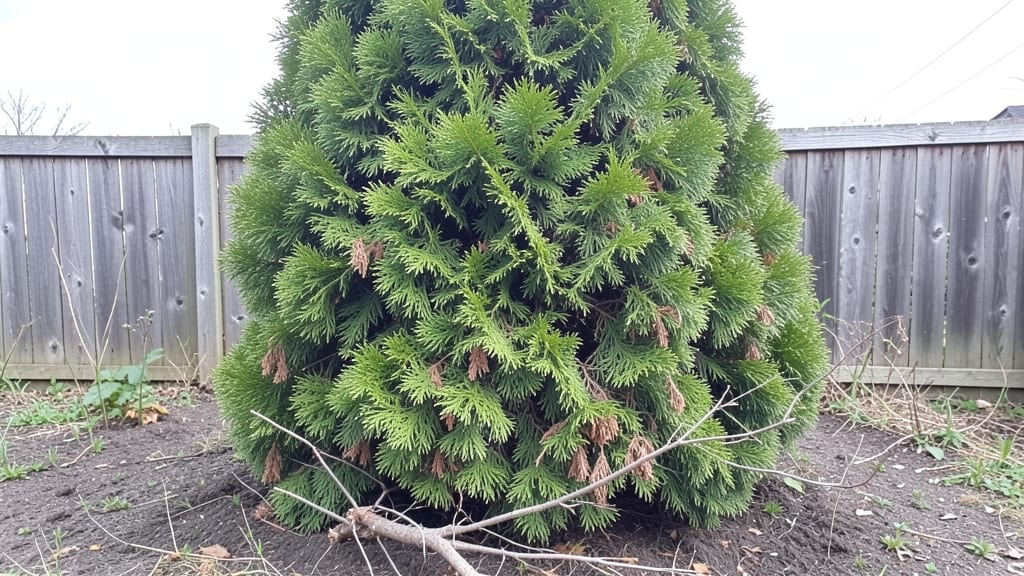
When your arborvitae shrubs turn brown, it’s usually a cry for help—not a death sentence. 🌿 I’ve nursed back more than my share of these evergreens, and the culprits are almost always the same: too much sun, not enough water, or a hidden pest party.
The good news? Most fixes take less than an hour and cost next to nothing.
First, check the soil—dry as bone or soggy both stress these shrubs. Water deeply once a week (unless it rains), aiming for 6 inches down, and mulch to keep moisture locked in.
Then inspect the branches: brown tips often mean winter burn, while scattered browning could signal bagworms or spider mites. A quick spray of horticultural oil or neem oil usually does the trick.
By mid-summer, your arborvitae should bounce back with vibrant green growth if you catch the problem early. The key is consistency: watering, pruning out dead branches, and giving them a little shade if they’re in a hot, exposed spot.
Think of it like a spa day for your shrubs—just what they need to look lush again.
For long-term care, fertilize in early spring with a slow-release evergreen blend and avoid heavy pruning in late summer. That’s how you keep them thriving year after year without the brown patches. Let’s get those needles perking up!
Root Causes Of Browning Foliage
When your arborvitae shrubs start turning brown, it’s often a cry for help—whether from environmental stress, pests, or underlying health issues. Understanding the why behind the browning is the first step to restoring their vibrant green.
Below, we break down the most common culprits, backed by science, so you can diagnose and treat the problem effectively.
Arborvitae (specifically Thuja species) are hardy, but they have limits. Freezing winter winds or scorching summer heat can cause foliage to dry out and turn brown. This is especially true for young plants or those in exposed locations.
- Winter Burn: Cold, dry winds in winter desiccate the needles, leading to crispy, brown tips. This often happens when soil moisture is insufficient to support root uptake during freezing temps.
- Heat Stress: Prolonged exposure to temperatures above 90°F (32°C) can cause arborvitae to wilt and brown, particularly in species like Thuja occidentalis.
💡 Pro Tip: Mulch around the base with 2–4 inches of organic mulch (like wood chips) to insulate roots and retain moisture. For winter protection, consider burlap windbreaks or anti-desiccant sprays (like Wilt-Pruf) in late fall.
Arborvitae thrive in consistently moist, well-draining soil. When watering is inconsistent, roots struggle to absorb nutrients, leading to browning from dehydration or root rot.
- Underwatering: Brown, dry patches indicate the shrub isn’t getting enough water. Arborvitae need 1–1.5 inches of water per week, including rainfall. Drought stress causes needles to curl and fall, turning brown from the tips inward.
- Overwatering: Soggy soil cuts off oxygen to roots, leading to anaerobic conditions and root rot (a fungal disease). Symptoms include yellowing foliage that turns brown and mushy, often starting at the base.
🔥 Actionable Fix:
- Check soil moisture by digging 2 inches deep—if dry, water deeply. Use a soaker hose for even distribution.
- For overwatered shrubs, improve drainage by amending soil with compost or perlite and avoid compacting the root zone.
Brown patches on arborvitae can signal an infestation or infection. Pests like spider mites, bagworms, or scale insects suck sap, causing needles to yellow and brown. Fungal diseases (e.g., cytospora canker) and bagworms are also common culprits.
| Pest/Disease | Symptoms | Solution |
|---|---|---|
| Bagworms | Small, brown cocoon-like bags; defoliation; brown frass (droppings) on foliage. | Handpick bags (wear gloves!) or spray with Bt (Bacillus thuringiensis) in late summer. |
| Spider Mites | Fine webbing; stippled, brown needles; dry, crispy foliage. | Spray with water (they hate humidity) or use neem oil. |
| Cytospora Canker (fungal) | Oozing cankers on stems; wilting branches; brown, dying foliage. | Prune infected branches 6 inches below the canker; sterilize tools with rubbing alcohol. |
🎯 Prevention Tip: Keep shrubs healthy and stress-free—healthy plants resist pests better! Apply copper fungicide in spring to prevent canker diseases.
Brown, sparse foliage can indicate nutrient deficiencies, particularly nitrogen, iron, or manganese. Poor soil structure or compacted clay also restricts root growth, leading to stunted, brown needles.
- Nitrogen Deficiency: Causes overall yellowing (chlorosis) that progresses to brown tips. Common in sandy or acidic soils (arborvitae prefer pH 6.0–7.0).
- Iron/Manganese Deficiency: Leads to interveinal browning (brown between veins) in newer growth.
- Soil Compaction: Roots can’t breathe, leading to poor nutrient uptake and browning.
🌡️ Soil Test & Fix:
- Test soil with a home kit or send to a lab. Amend with compost or peat moss for organic matter.
- For nitrogen, apply a slow-release fertilizer (like 10-10-10) in early spring.
- Aerate compacted soil with a garden fork or top-dress with pine bark fines.
Arborvitae are evergreens with soft, delicate needles. Mechanical damage from lawnmowers, string trimmers, or aggressive pruning can cause foliage to brown and die back.
- Shearing Too Close: Cutting into old wood (brown stems) removes growth points, leading to bare patches.
- Winter Pruning: Trimming in late winter/early spring can expose tender new growth to freeze damage.
- Lawn Equipment Scars: Mower or trimmer hits can crush needles, causing them to brown and fall.
✨ Pruning Best Practices:
- Prune in early spring or late summer to avoid winter damage.
- Use sharp, clean shears and cut just outside the green growth.
- Create a 3–4 inch buffer around the base to protect from mower damage.
Now that you’ve identified the likely cause, the next step is treatment. Stay tuned for our quick-fix solutions to revive your arborvitae and restore its lush, green beauty! 🌿💚
Revive Your Arborvitae’s Health
Brown arborvitae shrubs can be disheartening, but the good news is that most issues have simple, actionable fixes—especially if you catch them early. Below, we’ve mapped the most common causes to step-by-step solutions, along with prevention tips to keep your shrubs thriving.
Let’s get your arborvitae back to its vibrant green glory!
Signs: Yellowing or brown needles, soggy soil, root rot.
How to Fix It: 🍳 Stop Watering Immediately – Let the soil dry out completely before watering again. Arborvitae prefers moderate moisture, not soggy conditions. 👨🍳 Check Drainage – If your shrub is planted in a low-lying area, mound soil around the base to improve airflow and drainage. 🥘 Prune Affected Branches – Trim back brown, mushy branches with sterilized pruners to prevent further spread. ⏰ Mulch Properly – Apply 2-3 inches of mulch (wood chips or pine straw) around the base, but keep it 6 inches away from the trunk to avoid moisture buildup.
✨ Prevention Tip:
- Test soil moisture before watering—stick your finger 2 inches deep; if damp, wait.
- Avoid planting in clay-heavy soil—amend with compost or sand if needed.
Signs: Dry, crispy brown needles, especially on the tips or edges.
How to Fix It: 💧 Deep Watering – Water slowly and deeply (1-1.5 inches per week) to encourage deep root growth. Use a soaker hose for even distribution. 🌱 Mulch Generously – Mulch retains moisture and regulates soil temperature. Replenish mulch annually in spring. 🔪 Trim Severely Damaged Branches – If needles are crunchy and brittle, prune those sections to redirect energy to healthier growth.
💡 Pro Tip:
- Water in the morning to reduce evaporation and fungal risks.
- Group arborvitae with other shrubs to create a microclimate that retains moisture.
Signs: Brown patches on south or west-facing sides, needles turning crispy.
How to Fix It: 🌿 Provide Afternoon Shade – If your arborvitae is in a full-sun location, consider light shade cloth (30-50% coverage) during peak summer heat. 🚰 Increase Water Frequency – During heatwaves, water every 2-3 days (early morning is best). 🎯 Fertilize Lightly – A balanced, slow-release fertilizer (10-10-10) in early spring can help recovery.
🔥 Prevention Tip:
- Plant arborvitae in partial shade if you live in a hot, dry climate.
- Avoid pruning in summer—wait until early spring or fall to reduce stress.
Signs: Webbing, chewed needles, sticky residue, or tiny insects on stems.
How to Fix It: 🕷️ Inspect Closely – Shake branches over a white sheet to spot pests. Common culprits:
- Spider mites (tiny red/yellow dots, webbing)
- Bagworms (small bags on branches)
- Aphids (clustered green/black bugs)
💦 Blast Off Pests – Spray with a strong stream of water to dislodge them. 🧴 Apply Organic Pest Control –
- Neem oil (mix 1 tbsp per gallon of water, spray weekly)
- Insecticidal soap (follow label instructions)
- Horticultural oil (for overwintering pests)
🔪 Prune Infested Branches – Remove and dispose of heavily damaged sections in sealed bags.
🌡️ Prevention Tip:
- Encourage natural predators like ladybugs and lacewings by planting companion flowers (marigolds, cosmos).
- Water regularly—pests thrive in dry conditions.
Signs: Brown, mushy stems, discolored spots on needles, or black fungal growth.
How to Fix It: 🍄 Improve Airflow – Thin out dense branches to reduce humidity around the shrub. 💧 Adjust Watering – Never let soil stay soggy; water only when the top 1-2 inches are dry. 🧼 Apply Fungicide –
- Copper-based fungicide (for needle cast)
- Systemic fungicide (like Myclobutanil) for severe cases
🔄 Replace Infested Mulch – Old mulch can harbor fungi; remove and replace with fresh, sterile material.
✨ Prevention Tip:
- Space shrubs 3-5 feet apart to prevent overcrowding.
- Avoid overhead watering—use drip irrigation instead.
Signs: Brown needle tips, especially on exposed sides after winter.
How to Fix It: ☀️ Protect from Wind – Install a windbreak (burlap, fence, or evergreen hedge) on the northwest side. 💧 Deep Water Before Freeze – A good soaking in late fall helps roots withstand cold. 🌿 Apply Anti-Desiccant Spray – Products like Wilt-Pruf create a protective layer to lock in moisture.
🔥 Prevention Tip:
- Plant wind-resistant varieties like Emerald Green or American Plum Arborvitae.
- Avoid pruning in late summer/fall—wait until early spring to reduce stress.
Final Thought: Most arborvitae recovery takes 1-2 growing seasons, but with the right care, your shrub can bounce back stronger than ever. Monitor regularly, adjust watering, and keep an eye out for pests—your green oasis is just around the corner! 🌿✨
Frequently asked questions
Why are my arborvitae needles turning brown only on the tips?
This is usually winter burn—cold, dry winds desiccate the needle tips during freezing temps. To fix it, water deeply before winter sets in and apply 2-3 inches of mulch around the base. For extra protection, use an anti-desiccant spray like Wilt-Pruf in late fall.
What should I do if my arborvitae has brown patches but still feels firm to the touch?
Firm brown patches often signal drought stress or heat damage. Water deeply 1-1.5 inches per week (morning is best) and mulch heavily. If the browning is on sun-exposed sides, consider light shade cloth during peak summer heat. Prune back severely damaged branches to encourage new growth.
How do I tell if my arborvitae is dying from root rot or just underwatered?
Check the soil: root rot means mushy, foul-smelling roots and yellow/brown needles starting at the base. Underwatering causes crispy, dry needles from the tips inward. For root rot, stop watering immediately and improve drainage with compost. For drought stress, water deeply and mulch generously.
Can I save my arborvitae if half of it is already brown and brittle?
Yes, but act fast! Prune out all dead branches 6 inches below the browning to redirect energy. Fertilize lightly with a 10-10-10 blend in spring and water consistently. If the root system is still healthy (check by gently digging near the base), new growth should emerge within 1-2 growing seasons.
What’s the best way to prevent arborvitae browning in future?
Focus on consistent care: water deeply once weekly, mulch 2-3 inches thick, and fertilize in early spring. For winter protection, wrap young shrubs in burlap or use anti-desiccant sprays. Prune only in early spring or late summer and avoid heavy shearing—this keeps your arborvitae resilient against stress.