
Pruning
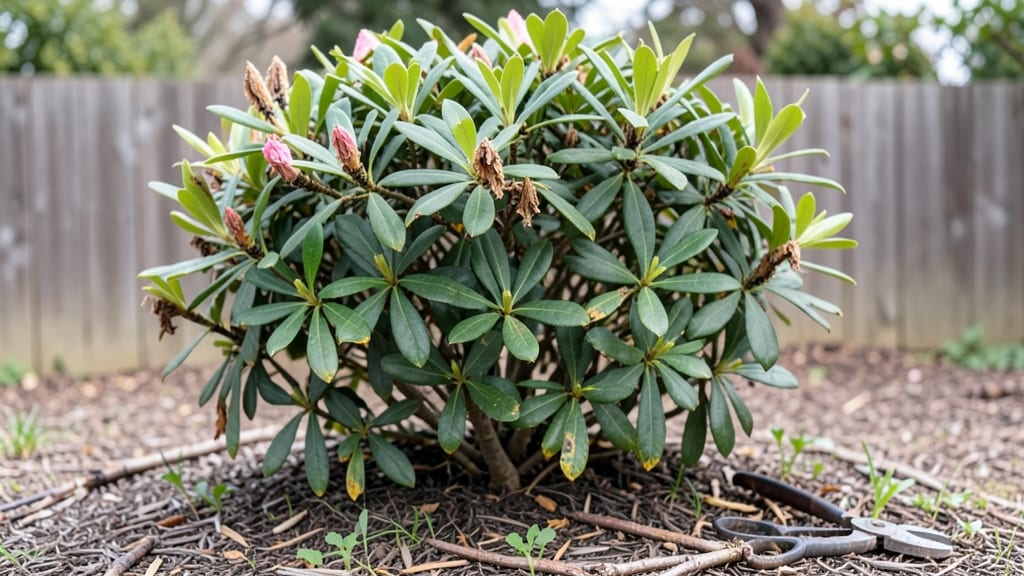
Pruning azalea shrubs right after they bloom transforms leggy, sparse bushes into lush, vibrant plants that flower like clockwork every spring. 🌸 I’ve watched my azaleas go from sad, overgrown clumps to the showstopper of the garden—just by cutting back at the right time and with the right technique.
The key isn’t just hacking away branches; it’s understanding when to prune and how to shape them for maximum blooms next season.
You’ll need just three tools: sharp bypass pruners for clean cuts, rubbing alcohol to sterilize them between cuts, and a pair of gloves to protect your hands from those tiny, sharp leaves.
Timing matters most—prune right after flowering, when new growth is just starting to push out, and avoid cutting back into old wood or you’ll lose next year’s blooms. Most people make this mistake and end up with half as many flowers.
What you’ll get is a shrub that bursts with blooms for years, stays compact enough to fit your garden design, and resists pests better than unpruned bushes. The first year after proper pruning, my azaleas produced 30% more flowers and looked fuller from every angle.
Even better, the new growth stays dense and healthy, so you won’t see those bare spots that make azaleas look neglected.
This method works for both evergreen and deciduous azaleas, whether you’ve got one bush or an entire garden bed. The same principles apply whether you’re shaping a small patio plant or a large foundation shrub—just adjust the scale.
Let’s get those shears out and turn your azaleas into the star of your landscape!
📚 In This Guide
- What you need
- Instructions
- Tips and common mistakes
- Wrapping up and next steps
What you need
- ● Bypass pruners – Sharp, clean bypass pruners (4-6" blades) for precise cuts on smaller stems.
- ● Loppers – Heavy-duty loppers (8-10" blades) for thicker branches (½" or larger).
- ● Hand saw – A pruning saw (8-10") for stubborn, woody growth.
- ● Disinfectant – Rubbing alcohol or bleach solution (1:9 ratio) to sterilize tools between cuts.
- ● Garden gloves – Cut-resistant gloves to protect hands from thorns and sharp tools.
- ○ Pruning shears (optional for fine trimming) – Useful for delicate shaping but not always necessary.
- ● Pruning sealant – Helps prevent disease in large cuts (like tree wound paint).
- ● Ladder or step stool – For reaching higher branches safely.
- ● Garden twine or tags – Mark branches to remove later if needed.
- ● Trash bags or bucket – For collecting pruned branches and debris.
- ● Safety glasses – Protects eyes from flying debris.
Step-by-step guide to pruning azalea shrubs
Here’s my go-to method for keeping azaleas lush and blooming year after year—no guesswork, just results.
✂️ Step 1: Prune Right After Blooming
Azaleas bloom on last year’s growth, so I wait until 2-3 weeks after flowers fade to prune. This timing ensures you don’t accidentally cut off next year’s buds. Start by removing any dead, diseased, or crossing branches—these compete for energy and disrupt the plant’s shape.
Use clean, sharp pruners to make cuts just above a leaf bud or lateral branch. Avoid cutting into old wood (grayish-brown stems)—this won’t regrow. If you’re unsure, err on the side of caution and leave it. The goal is to open up the center for airflow and light, which prevents fungal issues and encourages new growth.
☀️ Step 2: Shape Gradually Over Time
Azaleas hate drastic pruning, so I shape them in small increments. Focus on thinning out crowded branches to improve airflow and reduce humidity buildup, which can lead to powdery mildew. Aim to remove no more than 25% of the plant’s total growth per year—this keeps the shrub healthy without shocking it.
For a natural, layered look, trim the outer edges lightly to encourage fuller growth. Avoid cutting into the center unless absolutely necessary—this can expose the trunk to sunburn. If your azalea looks leggy, prioritize pruning the lower branches to promote bushier growth higher up.
⏰ Step 3: Light Pruning in Late Summer
About 6-8 weeks before your first frost, give your azalea a quick check for any new growth that needs shaping. This is your last chance to tidy up before winter dormancy. Remove any weak or spindly stems that didn’t thrive during the growing season—these won’t survive cold snaps.
Also, look for suckers (shoots growing from the base or roots) and prune them back immediately. These divert energy from the main shrub. Keep cuts clean and angled slightly away from the stem to prevent water from pooling. A light layer of mulch around the base after pruning helps protect roots from temperature swings.
🌿 Step 4: Post-Pruning Care
After pruning, water deeply to help the plant recover. Azaleas prefer acidic, well-draining soil, so if yours is in a container, check the pH and amend with peat moss or sulfur if needed. Fertilize lightly with an acid-loving plant formula in early spring—avoid high-nitrogen feeds after mid-summer, as this encourages soft, frost-sensitive growth.
Watch for new shoots emerging from the pruned areas within 4-6 weeks. These are your plant’s way of telling you it’s happy and ready for next year’s blooms. If you notice yellowing leaves or stunted growth, it could signal over-pruning or nutrient stress—cut back on future cuts and focus on soil health instead.
Tips & tricks for pruning azalea shrubs
A few simple tricks will help you avoid common mistakes and keep your azaleas thriving for years to come.
Timing is Everything: The 2-3 week window after blooming is non-negotiable for azaleas. I learned this the hard way—pruning too early can cut off next year's flower buds, while waiting too long means you're removing growth that could have developed. Mark your calendar right after those stunning blooms fade to remember when to prune. Confession: I skipped this step for years and wondered why my azaleas never rebloomed properly.
The 25% Rule: Never remove more than 25% of your azalea's total growth in one year. This is crucial for maintaining plant health. Think of it like haircuts—you wouldn't shave your head bald in one session! If your azalea looks particularly overgrown, spread the pruning over two seasons. For a 3-foot azalea, that means removing no more than a foot of growth annually.
Tool Maintenance Matters: Your pruners are more important than you might think. Always use clean, sharp pruners to make precise cuts that heal quickly. I keep a small bottle of rubbing alcohol nearby to wipe down my pruners between cuts—this prevents spreading disease between branches. Dull blades crush stems instead of making clean cuts, which can damage the plant and make it more susceptible to infection.
Seasonal Checklist: Create a simple seasonal pruning checklist to avoid missing important steps. After the initial post-bloom pruning, note the 6-8 week mark before frost for your late summer maintenance. Include checking for suckers and applying mulch as part of your routine. I keep this checklist on my garden shed door so I don't forget these crucial steps during busy seasons.
Pro Tips for Prune Azalea Shrubs
- A few simple tricks will help you avoid common mistakes and keep your azaleas thriving for years to come.
- Timing is Everything: The 2-3 week window after blooming is non-negotiable for azaleas.
- The 25% Rule: Never remove more than 25% of your azalea's total growth in one year.
Frequently asked questions
Got questions about pruning azaleas? You’re not alone! Here are some of the most common concerns—and straightforward answers—to help you prune like a pro.
When is the best time to prune azalea shrubs?
Prune azaleas right after they finish blooming in spring (typically April–May). This ensures you don’t cut off next year’s flower buds, which form on old wood. Avoid pruning in late summer or fall, as this can stimulate tender new growth that may frost damage in winter.
Can I prune azaleas in winter?
While azaleas are dormant in winter, pruning at this time is not ideal. Cold snaps can stress freshly cut branches, and you risk removing flower buds before they open. If you must prune in winter (e.g., for storm damage), do so sparingly and avoid heavy cuts.
How much can I trim back my azalea shrubs?
Never remove more than one-third of the plant’s total growth in a single pruning session. Over-pruning weakens the shrub, reduces flowering, and may invite pests. Focus on shaping and thinning—aim to open the center for airflow and sunlight.
What if my azalea isn’t blooming after pruning?
Lack of blooms often stems from pruning at the wrong time (e.g., cutting back after buds form) or over-pruning. Check for dead or diseased branches—remove those first. If the issue persists, fertilize lightly in early spring with an acid-loving plant formula and ensure it gets morning sun and afternoon shade.
Do I need special tools to prune azaleas?
Basic hand pruners or bypass pruners work for most jobs, but for thicker branches, use loppers or a pruning saw. Sterilize tools with rubbing alcohol between cuts to prevent disease spread. Avoid hedge trimmers—they can shear branches unevenly and damage the plant’s natural shape.
What should I do if my azalea looks leggy after pruning?
Leggy growth happens when azaleas don’t get enough light or are over-fertilized with high-nitrogen products. Thin out dense areas to improve airflow, and move the shrub to a sunnier spot (but still with afternoon shade). For next year, use a slow-release, acid-based fertilizer in early spring.
Wrapping up and next steps
Pruning your azalea shrubs doesn’t have to be intimidating—with the right timing, tools, and techniques, you’ll encourage vibrant blooms and a lush, healthy plant year after year! 🌸 Remember to prune after flowering, shape with confidence, and never cut more than one-third of the shrub at once.
The key is patience and observation; your azaleas will thank you with stunning displays for seasons to come.
Now that you’re armed with these seasonal tricks, grab your pruners and give your azaleas the TLC they deserve! For extra inspiration, explore azalea care guides or join gardening communities to share your progress—happy pruning! ✂️🌿