
How To
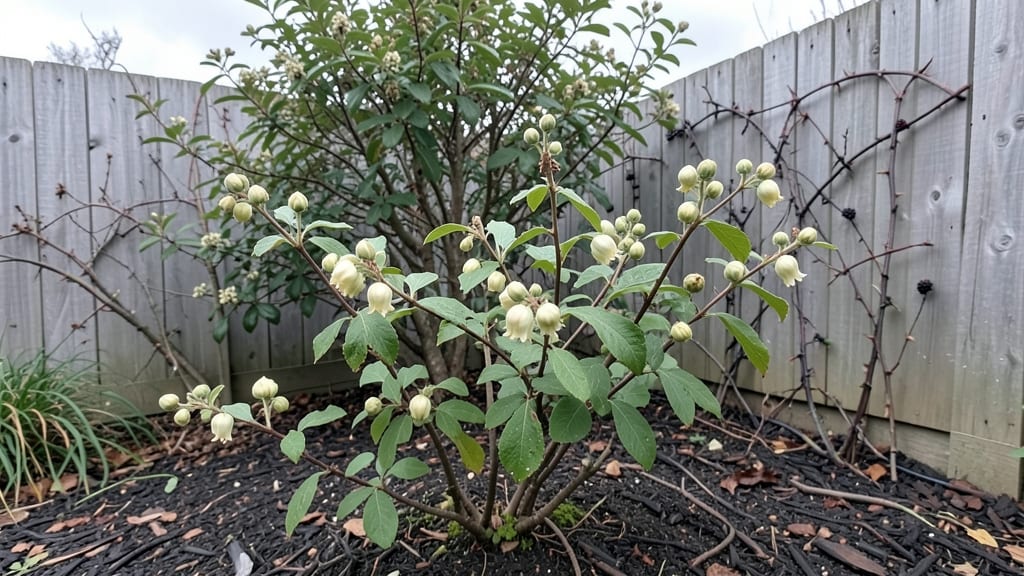
Identifying shrubs in your yard starts with noticing tiny details—leaf edges, bark texture, and how they grow. 🌿 I once mistook a spiky holly for a random weed until I spotted its glossy leaves and bright red berries.
Most shrubs reveal themselves through these simple clues, and once you know what to look for, your yard becomes a living puzzle waiting to be solved.
The key is comparing what you see to trusted resources: field guides, plant databases, or apps like PlantNet. Start with leaf shape—needle-like, lobed, or smooth—and bark texture—smooth, peeling, or ridged.
My first breakthrough came when I matched a shrub’s jagged leaves to a photo of a serviceberry in my local guidebook. Regional variations matter too; a common shrub in Texas might look different in Maine.
Once you’ve got the ID right, you’ll prune smarter, fertilize correctly, and even predict when they’ll bloom. That holly I spotted? It’s now the star of my winter landscape, its berries feeding birds while its glossy leaves stay vibrant all season.
The best part? Every shrub tells a story—you just need to learn its language.
This method works for any yard, from city sidewalks to country fields. Grab a notebook, a magnifying glass, and a free plant ID app—then start exploring. You’ll never look at your yard the same way again.
Natural Factors Shaping Shrub Growth
Identifying shrubs in your yard can feel like solving a botanical puzzle—especially when their appearance shifts due to environmental or biological influences. Understanding why shrubs look the way they do helps you decode their true identities.
Here’s a breakdown of the key factors that shape their leaves, bark, and overall form:
Shrubs don’t grow in a vacuum—they react to their surroundings. Environmental stressors can drastically change their leaf shape, bark texture, or even growth habit, making identification trickier. Here’s what’s likely at play:
- Water fluctuations: Drought stress causes leaves to curl, thicken, or develop a waxy coating (a survival tactic to reduce water loss). Overwatering, meanwhile, can lead to yellowing (chlorosis) or soft, mushy stems. Example: A normally glossy Ilex (holly) leaf may dull and pucker if the soil stays soggy.
- Sun exposure: Shrubs in full sun often develop smaller, tougher leaves (to minimize water loss), while those in shade may grow broader, thinner leaves to capture more light. Pro tip: A Rhododendron in shade might have darker, larger leaves than its sun-exposed cousin.
- Soil pH and nutrients: Acidic soil (common in pine forests) favors Azaleas and Blueberries, which thrive with vibrant, needle-like or narrow leaves. Alkaline soil, however, can cause iron deficiency, turning leaves pale yellow with green veins—a dead giveaway for shrubs like Hydrangeas.
- Wind and mechanical damage: Coastal shrubs (e.g., Ceanothus) often have twisted, gnarled stems and smaller leaves due to constant wind exposure. Even urban shrubs near sidewalks may develop lopsided growth from foot traffic or leaning fences.
Actionable tip: Observe your shrub’s habitat. Is it near a foundation (compacted soil?), under a tree (shade + root competition?), or in a low-lying spot (poor drainage)? These clues narrow down possibilities before you even check the leaves.
Not all shrub oddities stem from the environment—some are hardwired into their DNA or altered by pests and diseases. These biological quirks can make a shrub look like an imposter:
- Genetic variations: Some shrubs, like Cotoneaster or Viburnum, have cultivars with drastically different leaf shapes or colors. A Viburnum dentatum might have serrated edges in one variety and rounded lobes in another. Solution: Check for nursery tags or ask local gardeners—cultivar names are your best friend here.
- Pests and pathogens:
- Spider mites cause stippling (tiny white dots) on leaves, making a Boxwood look like it’s suffering from nutrient deficiency.
- Powdery mildew creates a white, flour-like coating on Hydrangea leaves, obscuring their natural shape.
- Bacterial leaf spot (common in Lilacs) creates irregular brown patches, warping leaf edges.
💡 Pro tip: Look for symmetry in damage. If only one side of the shrub is affected, pests or disease are likely culprits—not environmental stress.
- Pruning and human interference: Over-pruning can stunt growth, making a Forsythia look like a stunted Weigela. Conversely, hedge shearing can erase natural leaf shapes, turning a Privet into a generic green wall.
Actionable tip: Take a close-up photo of the shrub’s undamaged leaves and compare it to online databases. Pests and diseases often leave telltale signs (e.g., webbing, holes, or fungal growth) that reveal the real story.
Young shrubs and mature ones can look like completely different species. Leaf shape, bark texture, and even flower location change as a shrub ages:
| Shrub Type | Juvenile Traits | Mature Traits |
|---|---|---|
| Oakleaf Hydrangea (Hydrangea quercifolia) | Small, rounded leaves; smooth bark. | Large, oak-shaped leaves; exfoliating cinnamon bark. |
| Smokebush (Cotinus) | Soft, fuzzy leaves; green stems. | Velvety, purple-tinged leaves; red, feathery seed heads. |
| Ninebark (Physocarpus) | Smooth stems; small, lobed leaves. | Peeling, papery bark; larger, serrated leaves. |
🌡️ Key observation: If your shrub’s leaves are smaller than reference images, it may still be maturing. Conversely, if the bark looks young (smooth, green) but the leaves are large, it could be a rejuvenated older plant.
Actionable tip: Check for seed pods or flowers—these often reveal a shrub’s true identity faster than leaves alone. A young Butterfly Bush (Buddleia) might look like a Lilac until it blooms.
By separating environmental, biological, and age-related factors, you’ll start to see patterns that cut through the confusion. Next, we’ll tackle the tools and tricks to confirm your shrub’s identity—no guesswork required!
Quick Fixes for Shrub ID Confusion
Now that you know what to look for, let’s tackle the how—turning your shrub-spotting struggles into confident identifications. Whether you’re staring at a leafy mystery or scratching your head over bark patterns, these practical solutions will help you decode your yard’s green residents like a pro.
Cause: Overlapping leaf shapes or seasonal changes masking true traits. Fix:
- Compare with a reference guide 📖: Use apps like PictureThis or iNaturalist to upload photos and get instant matches. For offline help, carry a printed field guide (e.g., Shrubs of the World by Walter H. Hodge).
- Check leaf arrangement 🌿: Are they alternate (staggered) or opposite (paired at nodes)? This narrows it down fast—e.g., boxwood has opposite leaves, while rhododendron often has alternate ones.
- Examine leaf edges 🔪: Serrated, lobed, or smooth? Hydrangeas have serrated edges, while oleander leaves are sleek and entire.
Prevention Tip: 💡 Snap photos of new shrubs in spring (when leaves are fresh) and compare them later. Label mystery plants with flags or stakes to revisit them.
Cause: Weathered, peeling, or camouflaged bark hiding key clues. Fix:
- Scrape or peel gently 🧤: Use a knife or your fingers to lift a small section of outer bark—look for color, texture, or patterns underneath. Birch bark peels in papery sheets, while cherry bark has horizontal lenticels (tiny lines).
- Look for scars or buds 🌱: Dormant buds or old leaf scars (e.g., maple’s U-shaped scars) are dead giveaways. Dogwood has smooth gray bark with white diamond-shaped patches.
- Note the trunk shape 📏: Is it twisted (willow), fluted (redbud), or ridged (hazelnut)? Sketch it if needed—visual notes beat memory!
Prevention Tip: 🌡️ Inspect bark in winter when leaves are gone. A magnifying glass helps spot fine details like hazelnut’s diamond-shaped lenticels.
Cause: Seasonal timing or pruning obscuring reproductive clues. Fix:
- Track bloom seasons ⏰: Azaleas flower in spring, holly in late fall—knowing this helps you predict when to look. Keep a simple calendar with stickers for each shrub’s active season.
- Search for fruit or seed pods 🍎: Even if flowers are gone, serviceberry’s blue berries or cotoneaster’s red orbs linger. Juniper’s berry-like cones are another dead giveaway.
- Check for thorns or spines 🔴: Pyracantha (firethorn) has sharp thorns, while hawthorn has clusters of thorns at leaf junctions.
Prevention Tip: ✨ Plant a seasonal ID chart near your garden gate with photos of each shrub’s flowers, fruit, and fall foliage. Update it as you learn more!
If a shrub fits multiple descriptions (e.g., smooth bark and opposite leaves), narrow it down with these steps: 1. Location clues: Is it native to your region? Butterfly bush (buddleia) thrives in zones 5–9, while camellia prefers 7–10.
- Height and habit: Hydrangeas stay compact; privet grows tall and dense. Measure or eyeball!
- Smell test 👃: Crush a leaf—Russian olive smells fishy, lavender is fragrant, and boxwood is neutral.
Pro Tip: 🎯 If all else fails, dig a tiny sample of soil near the shrub and check pH (many shrubs prefer acidic or alkaline soil). A $10 test kit from a garden center can rule out mismatches.
Remember: Even experts use a mix of guesswork and elimination. The more you observe, the easier it gets—soon, you’ll spot a serviceberry from 20 feet away! 🌟
Frequently asked questions
What's the easiest way to tell if a shrub is native to my area?
Check your local native plant society website—they often have interactive maps and ID guides. Compare your shrub’s leaf shape, flowers, and growth habit to their regional lists. For example, serviceberry thrives in the Midwest but rarely grows wild in California.
Can I use my smartphone to identify shrubs?
Apps like PictureThis or LeafSnap let you upload photos for instant matches. For best results, snap close-ups of leaves, flowers, and bark in good light. If the app gives multiple options, check which one matches your shrub’s height and habit (e.g., bushy vs. sprawling).
Why do some shrubs have different names in different regions?
Common names vary by location—what’s called boxwood in the Northeast might be Japanese box in the West. Scientific names (like Buxus sempervirens) stay consistent, but local gardeners often use simpler terms. Check your state’s cooperative extension service for regional naming conventions.
How do I tell the difference between poisonous and non-toxic shrubs?
Learn key red flags: milky sap (e.g., oleander), shiny red berries (e.g., bittersweet), or three-leaf clusters (poison ivy). When in doubt, avoid touching unknown plants—especially with kids or pets. Use apps like iNaturalist to flag potentially dangerous species.
What should I do if I can't identify a shrub after trying everything?
Post photos to gardening forums (like GardenWeb) with your location and observations. Include details like soil type, sun exposure, and any flowers/fruit. Many experts volunteer ID help—just be patient! As a last resort, consult a local botanical garden or university extension office.