
Shrubs
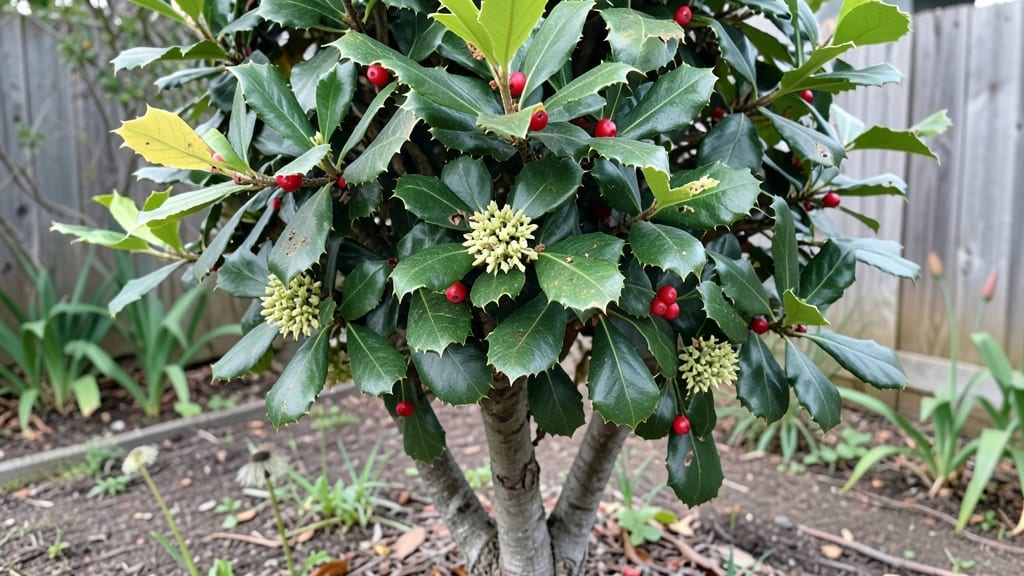
Mastering evergreen shrub identification by leaf shape and bark clues is the fastest way to stop guessing and start gardening with confidence—now I recognize them in seconds. and you will too.
Start with leaf edges: holly has sharp spines, boxwood is smooth, and rhododendron leaves are fuzzy underneath. Then check the bark—boxwood is smooth and greenish-gray, while holly’s bark peels like paper. These details make all the difference when shopping at nurseries or diagnosing garden mysteries.
Once you master these traits, you’ll know exactly which shrubs thrive in your yard’s light and soil. Boxwood loves shade, holly handles sun, and rhododendron craves acidic soil. The right plant in the right spot means fewer brown leaves and more year-round greenery.
This method works for other evergreens too—just focus on leaf shape, bark texture, and growth habit. Before you know it, you’ll be naming shrubs like a pro and picking the perfect ones for your landscape.
Behind The Scenes Of Misidentification
Evergreen shrubs are a gardener’s dream—year-round greenery, low maintenance, and stunning landscapes. But why do so many gardeners struggle to identify them correctly? The answer lies in a mix of natural variations, environmental factors, and even human error.
Let’s break down the real reasons why evergreen shrub identification can be tricky, so you can spot them like a pro.
Evergreen shrubs aren’t all created equal—even within the same species, leaves can vary due to genetics, age, or growing conditions. Here’s why:
- Genetic Diversity: Just like humans, plants have genetic quirks. Some shrubs may inherit slightly different leaf shapes, sizes, or textures from their parents. For example, a Rhododendron might have broader leaves in one clone and narrower in another.
- Aging Effects: Young shrubs often have softer, smaller leaves that harden and expand as they mature. A Juniper sapling might look nothing like a fully grown specimen.
- Seasonal Changes: Even evergreens can show subtle shifts. Drought stress in summer might cause leaves to curl or shrink, while winter cold can make them appear duller or more leathery.
Actionable Tip: 🔍 Always compare multiple leaves—especially from different parts of the shrub—and note the average shape, not just one or two outliers.
Your shrub’s environment plays a huge role in its look. Harsh conditions can mask its true identity, making it harder to recognize. Common culprits include:
| Factor | How It Affects Leaves | How It Affects Bark |
|---|---|---|
| 💧 Water Stress (Drought or Overwatering) | Leaves may yellow, curl, or develop brown edges. | Bark can become rough or peel prematurely. |
| ☀️ Sun Scorch | White or brown patches on leaf edges (especially in Boxwood or Holly). | Sun-exposed bark may darken or crack. |
| ❄️ Winter Damage | Leaves may turn bronze or develop frost nip (common in Camellia). | Bark can split or flake due to freeze-thaw cycles. |
| 🌱 Poor Soil Nutrition | Pale, yellow leaves (chlorosis) if iron-deficient. | Weak growth can lead to thinner, less distinct bark patterns. |
Actionable Tip: ✨ Observe the shrub’s habitat. Is it in full sun or shade? Rich soil or rocky ground? These clues can help narrow down possibilities.
Nurseries often sell cultivars (plant varieties bred for specific traits), which can look drastically different from their wild counterparts. For example:
- Variegated Leaves: Shrubs like Dwarf English Laurel (Prunus laurocerasus ‘Angustifolia’) may have white or yellow streaks, making them harder to match to standard ID guides.
- Dwarf vs. Standard Growth: A Boxwood cultivar like ‘Green Velvet’ stays compact, while the species-type grows much taller—confusing beginners.
- Flower Color Variations: Some Andromeda shrubs bloom in pink, white, or purple, but their leaves stay similar. Overlooking flowers can lead to misidentification.
Actionable Tip: 📝 Always check for cultivar names on nursery tags. If unsure, compare your shrub to online databases like the Missouri Botanical Garden’s PlantFinder.
Even the most experienced gardeners can miss critical details. Here’s how:
- Focusing Only on Leaves: Bark texture, branch arrangement, and flower/fruit presence are just as important. A Holly without spines? Probably not Ilex opaca.
- Ignoring Growth Habit: Is the shrub mounding, sprawling, or upright? A Yew (Taxus) grows differently from a Pieris.
- Seasonal Blind Spots: Evergreens look different in winter (needles may drop) or after pruning. A heavily trimmed Azalea might resemble a Rhododendron at first glance.
Actionable Tip: 🎯 Use the “5-Step ID Checklist”:
- Leaf shape, size, and edge (serrated? smooth?)
- Bark texture (scaly? smooth? ridged?)
- Growth pattern (upright? sprawling?)
- Flowers/fruit (if present)
- Scent (e.g., Lavender shrubs have a distinct fragrance).
Now that you know the real reasons behind identification mix-ups, you’re one step closer to mastering evergreen shrub recognition. Stay tuned for our next section on pro tips for foolproof ID!
Quick Fixes for Shrub ID Confusion
Identifying evergreen shrubs can feel like solving a puzzle—especially when leaf shapes and bark textures seem too similar. But with the right approach, you can turn guesswork into confident recognition. Below, we break down common challenges and practical solutions, so you can master evergreen shrub identification in no time.
Problem: Needle-like leaves on pine vs. scale-like leaves on juniper? Or broad leaves that blur together?
Solutions:
- 🔥 Examine the Leaf Arrangement
- Needle clusters? Pines (e.g., Pinus) have needles in bundles (2–5 per fascicle).
- Single needles? Firs (e.g., Abies) or spruces (e.g., Picea) have flat or four-sided needles.
- Scale-like? Junipers (Juniperus) or arborvitae (Thuja) have overlapping, papery leaves.
- 🍳 Test the Leaf Texture
- Rub a leaf between your fingers—soft and fuzzy? Likely a magnolia (Magnolia) or rhododendron (Rhododendron).
- Leathery and smooth? Holly (Ilex) or boxwood (Buxus).
Prevention Tip: 💡 Carry a small magnifying glass or phone app (like PictureThis) to zoom in on fine details.
Problem: Bark patterns vary wildly—how do you tell oak from beech from cedar?
Solutions:
- 👨🍳 Peel Test
- Smooth and papery? Paper birch (Betula papyrifera) or sycamore (Platanus).
- Furrowed or ridged? Oak (Quercus) or hackberry (Celtis).
- Stringy or shreddy? Redwood (Sequoia) or cedar (Cedrus).
- 🔪 Scratch Test (Gently!)
- Green inner bark? Likely a conifer (e.g., Pseudotsuga menziesii—Douglas fir).
- Brown or orange? Deciduous shrubs like dogwood (Cornus).
Prevention Tip: 🌡️ Check bark in winter when leaves are absent—patterns are clearer without foliage interference.
Problem: Evergreens stay green, but some (like ginkgo) aren’t true evergreens—how to spot fakes?
Solutions:
- ⏰ Timing Check
- Drops needles in spring? Ginkgo (Ginkgo biloba) or larch (Larix)—not true evergreens.
- Holds needles year-round? True evergreens like pine, spruce, or hemlock (Tsuga).
- 🌱 Leaf Longevity Test
- Yellowing/browning in winter? Likely a semi-evergreen (e.g., sweetbay magnolia Magnolia virginiana).
- Bright green all year? Classic evergreen (e.g., azalea Rhododendron).
Prevention Tip: ✨ Note when shrubs first leaf out in spring—early bloomers (like Pieris) are often evergreen.
| Tricky Case | Quick Fix | Tool to Use |
|---|---|---|
| Needles vs. scales | Count bundles (pines) or check overlap (juniper) | Ruler or caliper |
| Broadleaf evergreens | Look for veins (palmate = holly, pinnate = camellia) | Magnifying glass |
| Bark that’s hard to see | Compare with a reference chart | Phone camera + sunlight |
Final Reminder: 🎯 Combine clues! No single trait (leaf, bark, or growth habit) guarantees ID—cross-reference at least two features for accuracy. Happy identifying!
Frequently asked questions
How can I tell the difference between boxwood and holly shrubs?
Check the leaf edges first—boxwood leaves are smooth and oval, while holly leaves have sharp, spiny edges. Boxwood also has a denser, bushier growth habit, while holly often grows taller with a more upright form. The bark is another clue: boxwood bark is smooth and greenish-gray, while holly bark peels in thin layers.
Why do some evergreen shrubs lose their leaves in winter?
Not all evergreens stay green year-round! Some, like ginkgo or larch, drop their needles in winter and are called "deciduous conifers." Others, like sweetbay magnolia, are semi-evergreen—they may shed some leaves in cold months but not all. True evergreens (like rhododendron or juniper) keep their foliage year-round.
What’s the best time of year to identify evergreen shrubs?
Spring and summer are ideal because leaves are fully developed and vibrant. In winter, some evergreens (like pine) may look different after frost, but their needle arrangement or scale-like leaves remain visible. Avoid identifying after heavy pruning or during extreme weather, as these can distort natural features.
Can I use a phone app to help identify evergreen shrubs?
Apps like PictureThis or PlantNet let you upload photos for instant ID suggestions. Just ensure good lighting and clear shots of leaves, bark, and growth habit. For tricky cases, combine the app’s results with your own observations—like leaf texture or scent—to confirm the ID.
What are the most common mistakes when identifying evergreen shrubs?
Overlooking bark texture, ignoring growth habit, and focusing only on leaves are top mistakes. Another pitfall is assuming all green shrubs are evergreens—some (like oak) are deciduous! Always cross-check at least two features (e.g., leaf shape + bark) for accuracy, and avoid judging by a single outlier leaf.